

Helsinki University Hospital HUS (external link)
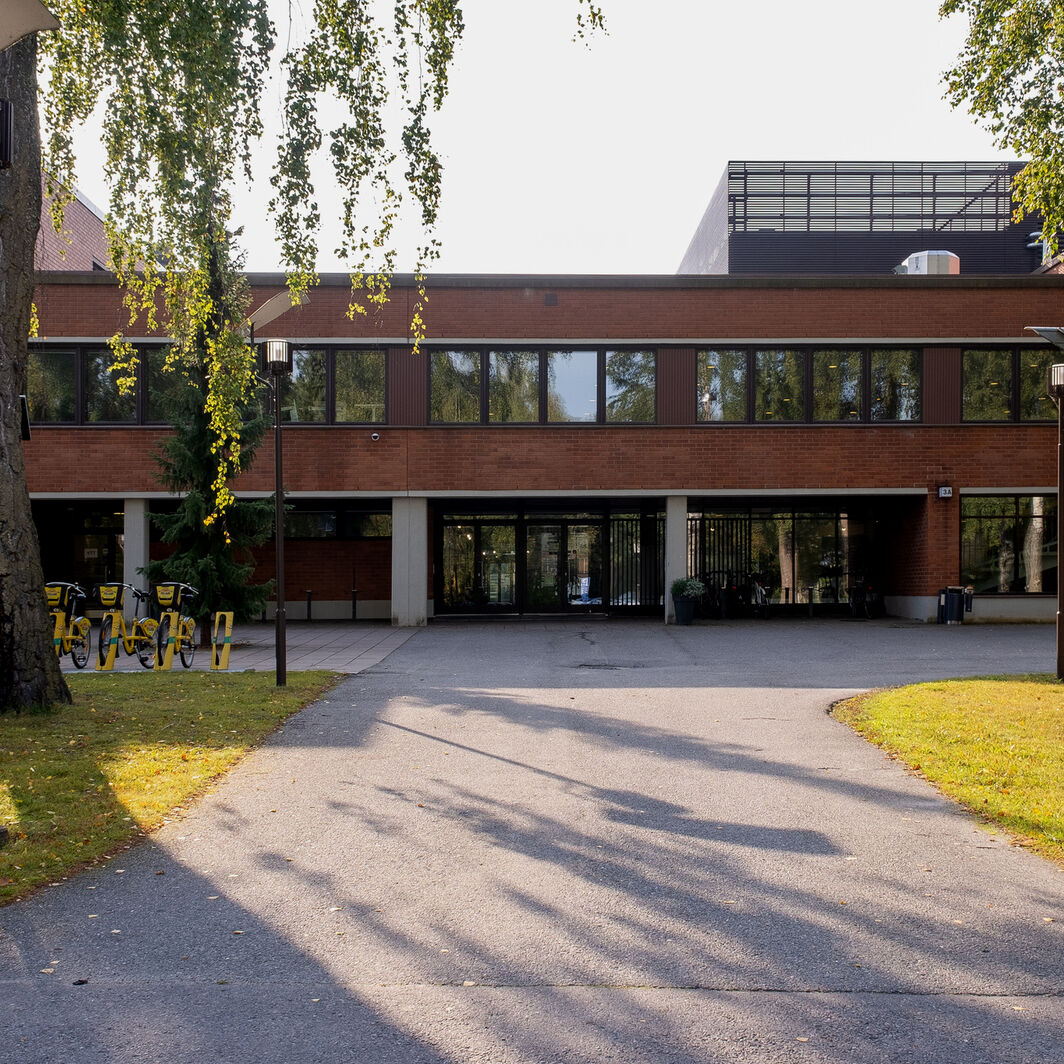
Long-term partnership linking research, clinical care and innovation.

Aalto's health and well-being research examines the biological and neural foundations of human health and functioning, develops devices, biomaterials, molecular systems and AI methods for diagnosis, treatment, rehabilitation and prevention. It also examines how digital and built environments, services, workplaces, markets and public policy shape health and well-being.
Long-standing collaboration with HUS Helsinki University Hospital and the University of Helsinki brings clinical expertise, healthcare settings and real-world questions into the research. Together, these perspectives connect medical and technological advances with the conditions that support health and well-being in everyday life.
Explore seven connected focus areas and the departments leading the work.
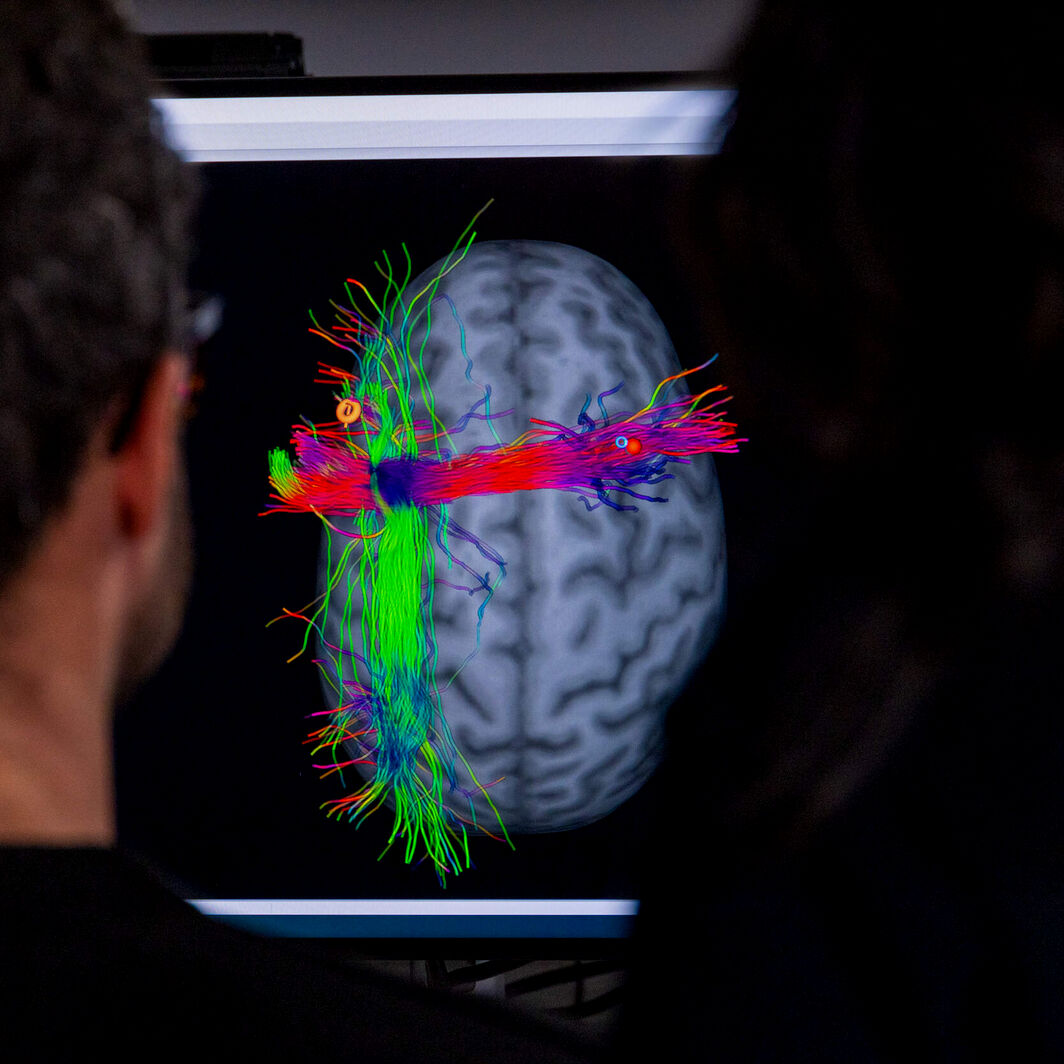
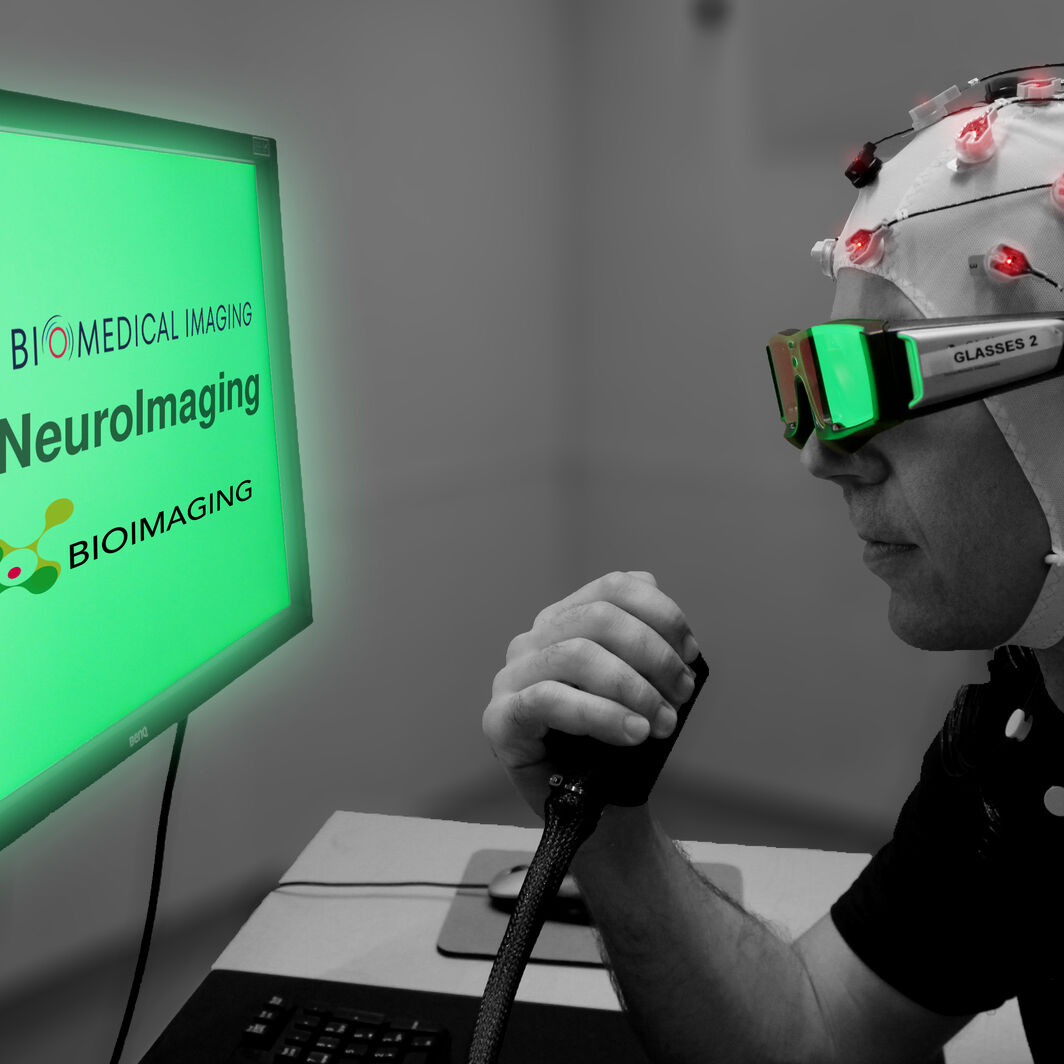
How does the nervous system enable perception, language, memory and social interaction, and how do these functions change in disease? Aalto researchers investigate these questions through retinal neuroscience, MEG and EEG measurements, MRI, computational and machine-learning models, and targeted brain stimulation such as TMS. Together, these approaches help identify biomarkers, improve diagnosis and treatment, and support the rehabilitation of people with neurological, psychiatric and developmental conditions.
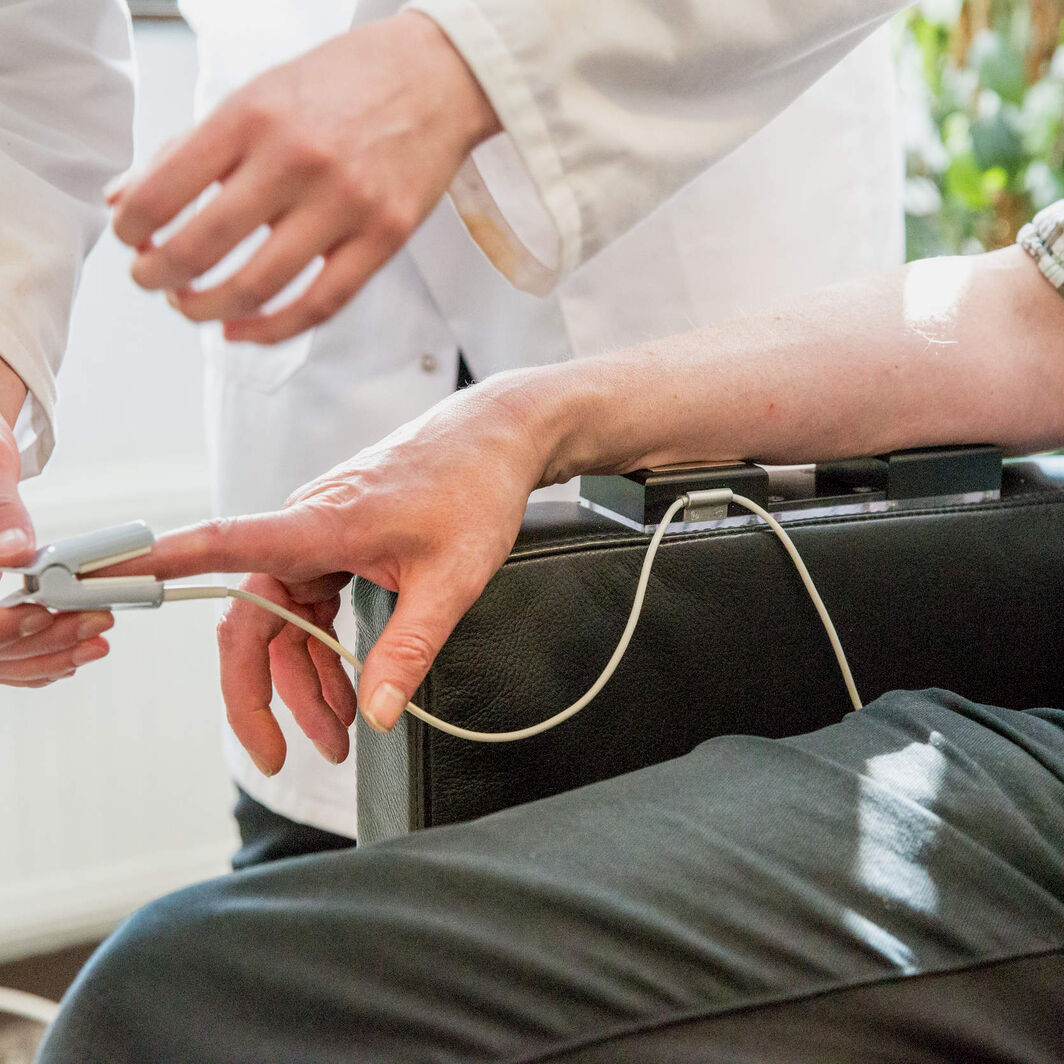
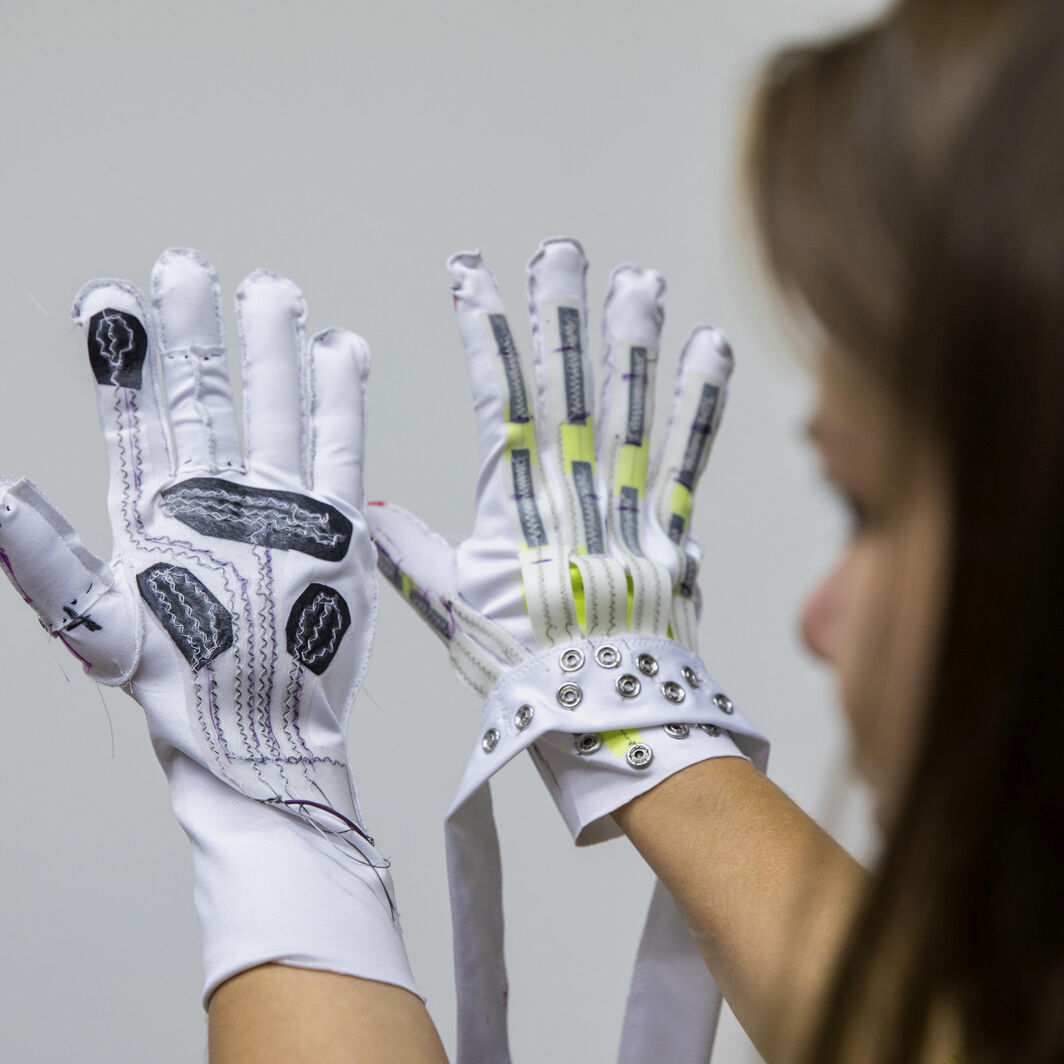
Medical devices make it possible to measure bodily functions, deliver treatment and support rehabilitation in hospitals, clinics and everyday life. At Aalto, researchers develop biosensors, methods for processing physiological signals, ultrasound and medical imaging technologies, patient-specific implants, surgical instruments and rehabilitation robots. Together, this expertise supports point-of-care diagnostics, the development of assistive technologies and health monitoring outside hospitals. Additive manufacturing makes it possible to produce implants and other devices tailored to an individual patient's anatomy.
Electrical Engineering and AutomationEnergy and Mechanical Engineering
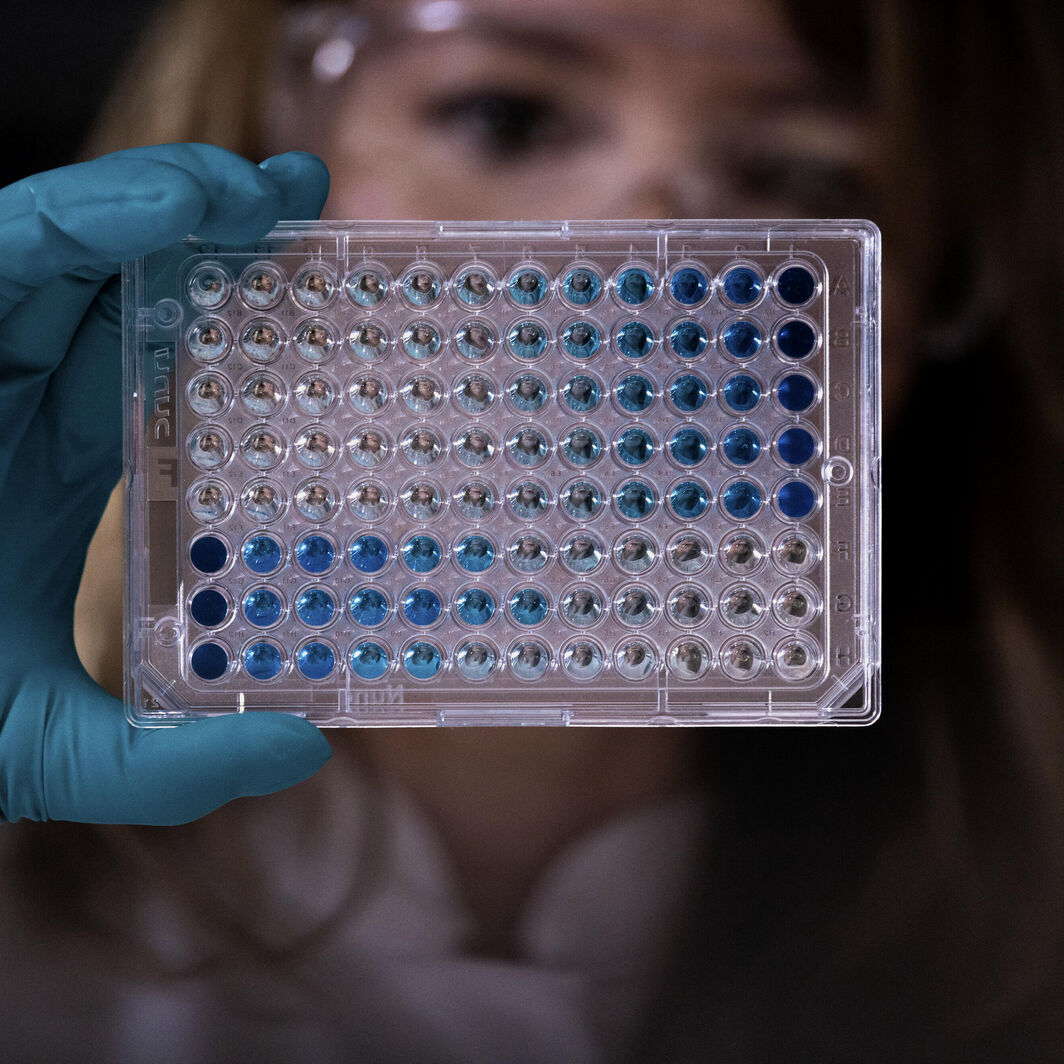
Materials engineered at the molecular scale can detect disease, deliver drugs and genes to specific targets, and help damaged tissue repair and regenerate. Aalto researchers use DNA nanotechnology, proteins, nanomaterials and bio-based materials to develop biosensors and microfluidic diagnostic platforms, drug and gene delivery systems, implants, hydrogels and tissue-engineering scaffolds. Applications range from point-of-care diagnostics and regenerative medicine to cancer treatment and wound healing.
At Aalto, fundamental AI research develops alongside applications in health and medicine. Clinical and biomedical questions guide the development of machine-learning methods, Bayesian statistical methods and computational models. Research draws on medical images, biosignals, speech data, molecular data, patient data and population data. The methods are applied in diagnosis, precision medicine, epidemiology and clinical decision support. Generative AI is also used to design candidate drugs, proteins and antibodies.
Electrical Engineering and Automation
Digital health depends not only on what technologies can do, but also on how people experience and use them. Aalto researchers study human-computer interaction, electronic health record systems and eHealth services. They also examine online behaviour, digital work and the effects of technology on well-being. Accessibility, human-centred design and participatory design guide the development of self-care solutions, personal health technologies, social robots, games and virtual environments for different user groups and professionals.
The places where people live, age, work and receive care can support—or undermine—health and well-being. At Aalto, research covers healthcare architecture, participatory urban planning, healthy buildings and indoor environmental quality, as well as safe drinking water and wastewater treatment. Researchers examine how hospital spaces affect care processes. They also study accessible and inclusive housing, ageing at home, active neighbourhoods and restorative green spaces. Research on ventilation, infection risk, thermal conditions and materials examines how buildings affect the health and comfort of their users.
How services, resources, markets and incentives are organised affects patients, professionals and the performance of health systems. At Aalto, three research areas provide complementary perspectives on health and well-being: healthcare operations management, health economics, and workplace well-being. Healthcare operations research examines care pathways, resource allocation, procurement, logistics, hospital productivity and decision analysis. Economic research investigates pharmaceutical markets and regulation, as well as how unemployment and economic inequality affect health. Research on work focuses on meaningful work and on how digitalisation and changing forms of work affect stress, recovery and well-being. Much of this research is carried out with organisations.
Information and Service Management
Looking for research expertise, a partner for a joint project, a setting for a pilot, or the right route into Aalto's health and well-being research? Our Key Research Area Manager can help you find the relevant researchers, departments, research environments and other forms of collaboration.

Success in highly competitive European and Finnish funding competitions and rare academic distinctions demonstrate the quality of Aalto's health and well-being research. Together, they show how frontier research at Aalto connects with clinical, societal and economic impact.
The Research Council of Finland's Flagship Programme supports long-term competence clusters that combine high-quality research with close collaboration and economic and societal impact. Aalto is part of three Flagships relevant to health and well-being and coordinates the Finnish Center for Artificial Intelligence (FCAI).
ERC grants fund ambitious frontier research through Europe-wide competition in which scientific excellence is the sole evaluation criterion. Researchers in this key research area hold three active ERC grants.
Business Finland's Rise to Challenge funding backs bold, large-scale research initiatives that build capabilities for future growth sectors and open long-term paths to societal and commercial use. Two funded projects involving Aalto focus on healthcare AI and imaging.
Learn more about the projects of Rise to Challenge 2026 funding round
Strategic Research Council (SRC) funding supports high quality research with potentially major impacts on society. Such research seeks concrete solutions to significant problems, and requires a multidisciplinary approach. Collaboration between knowledge producers and knowledge users is essential. SRC programmes run for 3–6 years.
Learn more about the SRC funding projects of Aalto University
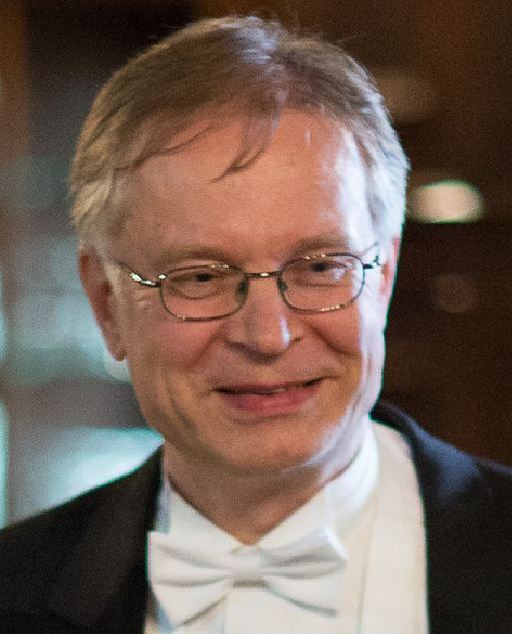
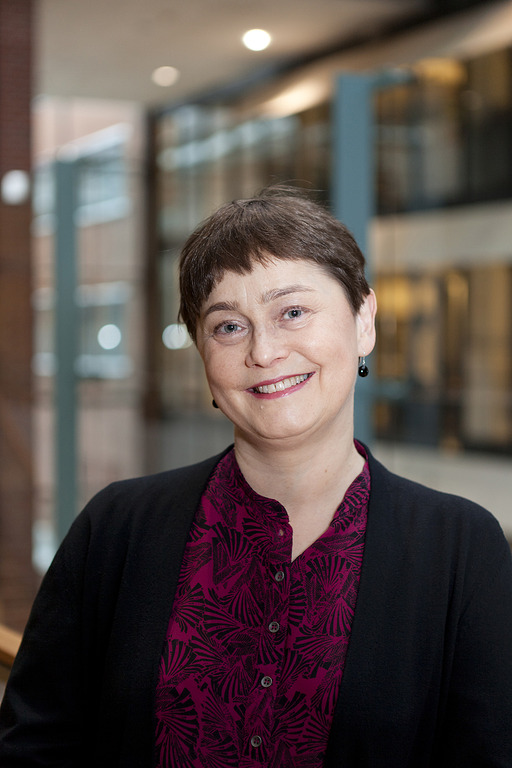
The researchers below have received a rare national or Aalto academic distinction. Their fields span neuroscience and brain imaging, functional materials and health economics. The President of Finland confers the title of Academician of Science on highly distinguished scientists. No more than 16 Finnish scholars may hold the title at a time. Aalto awards its Distinguished Professor title for exceptional academic merit.

Aalto's health and well-being research moves towards use through long-term clinical partnerships, need-driven innovation programmes and routes from early commercial validation to research-based companies. The examples below show how new technologies and methods are developed with partners and brought closer to use in healthcare and everyday life.
These initiatives create structured routes for collaboration between researchers, companies and other partners. They support the development and testing of research-based solutions and help move them towards practical use.
Long-term partners bring complementary expertise, real-world settings, users and routes to validation and implementation. In health and well-being, clinical and regional partnerships make it possible to develop and validate new approaches in the settings where care and services are delivered.

Long-term partnership linking research, clinical care and innovation.

Building public-private partnerships to advance health innovation.
Spinout companies bring research-based knowledge and technology into use through new products and services.

Safer bone surgery.

Soihtu DTx is developing an innovative digital therapy in the form of a video game to address the challenges of treating major depressive episodes.

Maculaser’s pioneering retinal treatment triggers the natural healing response of senescent cells with personalized heat exposure. Targeting disease prevention, we offer a patient-specific, non-damaging solution to retinal disorders affecting millions worldwide.
Research-to-Business funding helps teams test whether a research result can become a viable business before a company is established.

ORCA revolutionizing joint replacement surgery with advanced camera-assisted machine vision technology.

Bio-based and biocompatible textile coating delivering both antimicrobial activity and required fluid/soil resistance in a single, streamlined treatment.

Developing VR interaction and visualization technologies that alleviate motion sickness and alter perceptions.
Aalto's health and well-being research spans departments in all six schools. Shared centres, laboratories and research infrastructures connect expertise and provide specialised research capabilities across organisational boundaries.
The departments below provide routes to research groups, experts, contact details and more. If you are not sure where to start, contact our Key Research Area Manager.
Shared centres connect expertise across organisational boundaries, while research infrastructures provide specialist facilities, equipment and services for research.
Explore recent research, collaborations and results from across health and well-being at Aalto University.

Deepika Yadav recently began as an assistant professor at the Department of Computer Science in the field of human-computer interaction (HCI) and interaction design for health and wellbeing.

Yang is one of the nine newly recruited professors joining the ELLIS Institute Finland as principal investigators.

Farshad’s research background is in computer vision and generative models.

Hannah Hook explores the ways everyday travel shapes happiness and satisfaction.