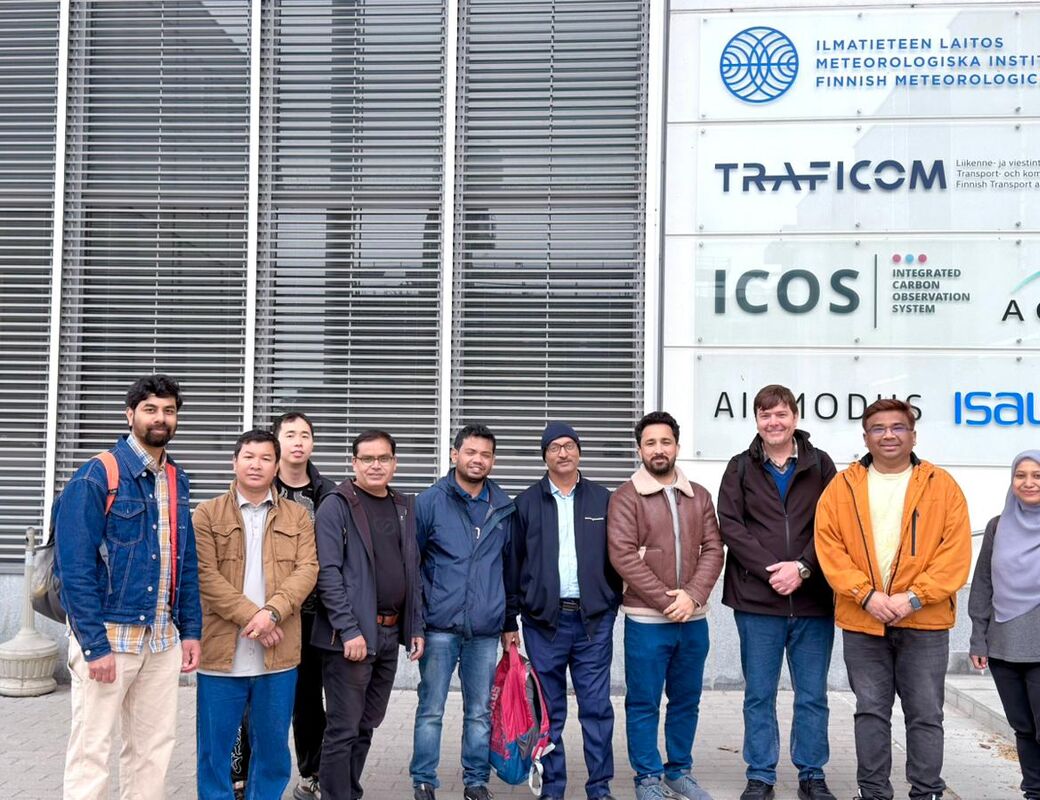
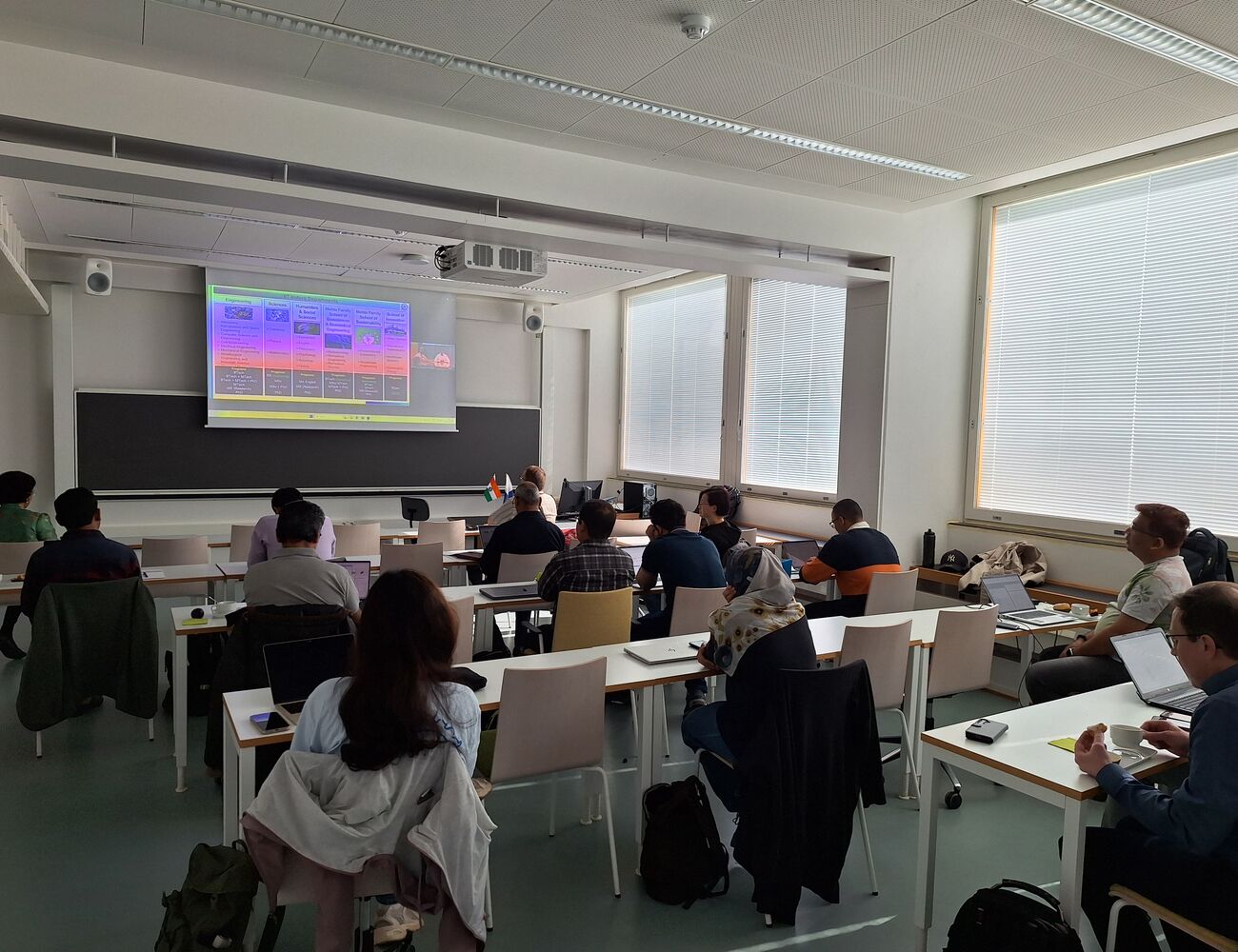
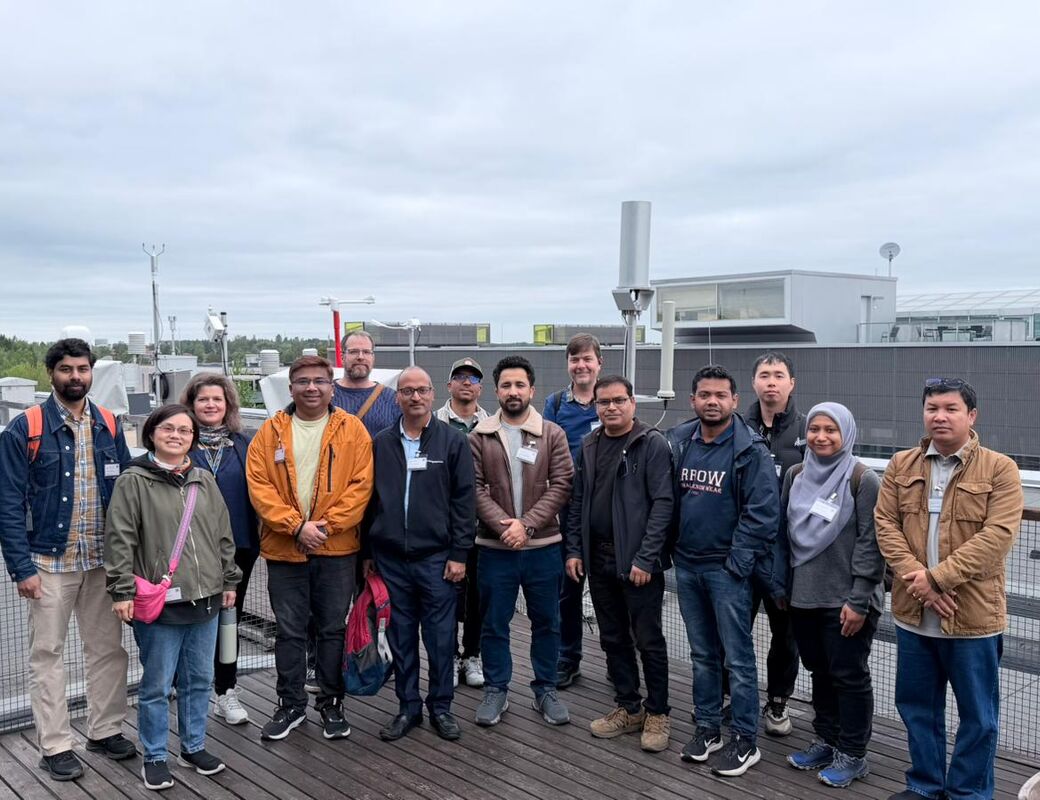
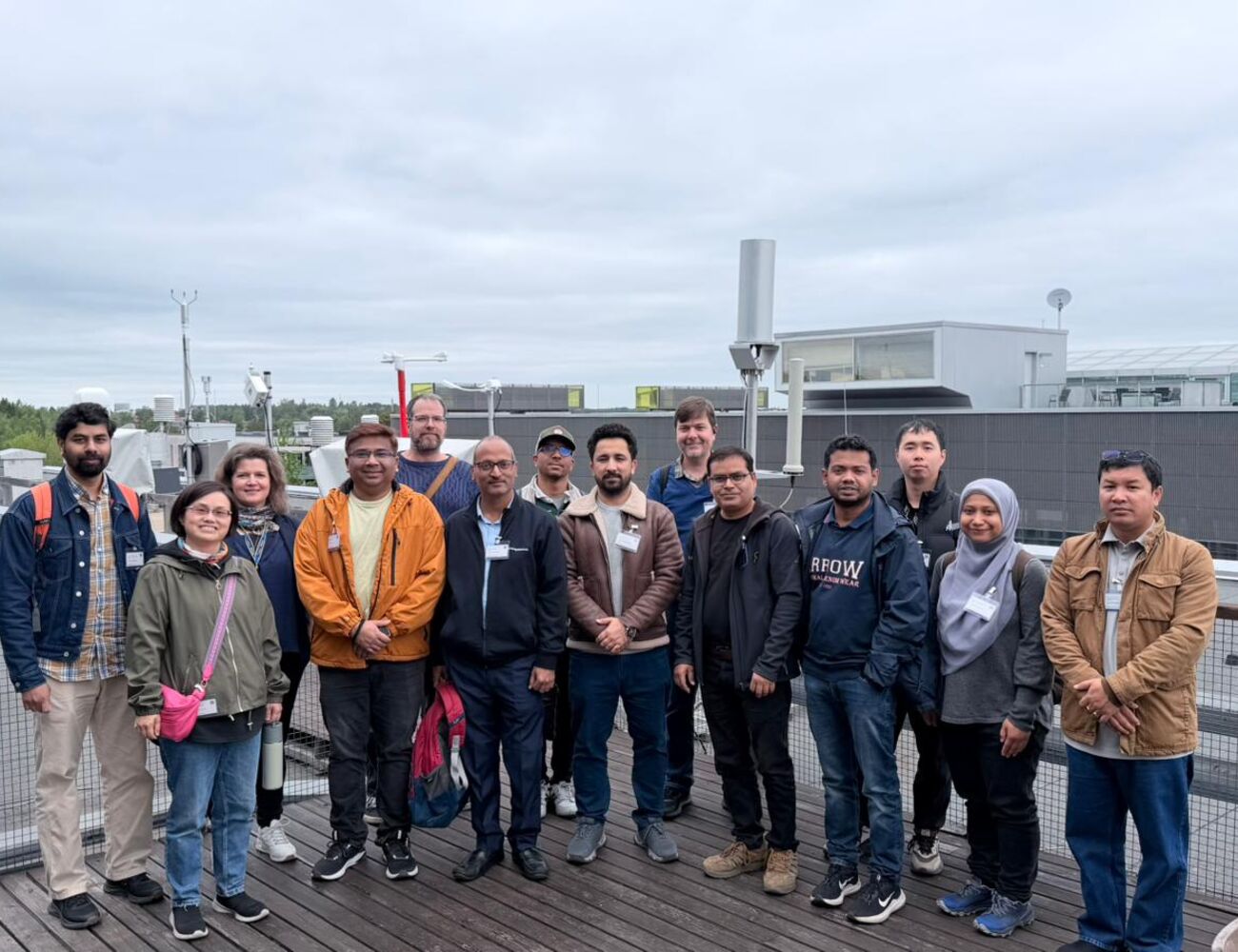
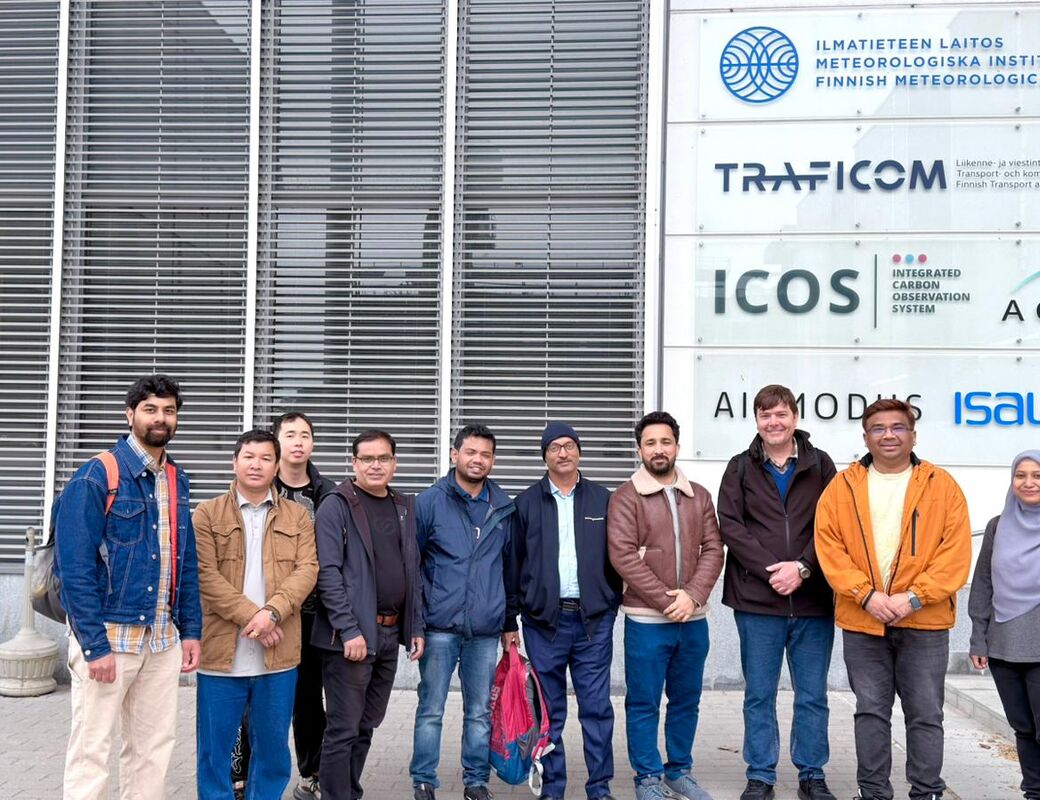
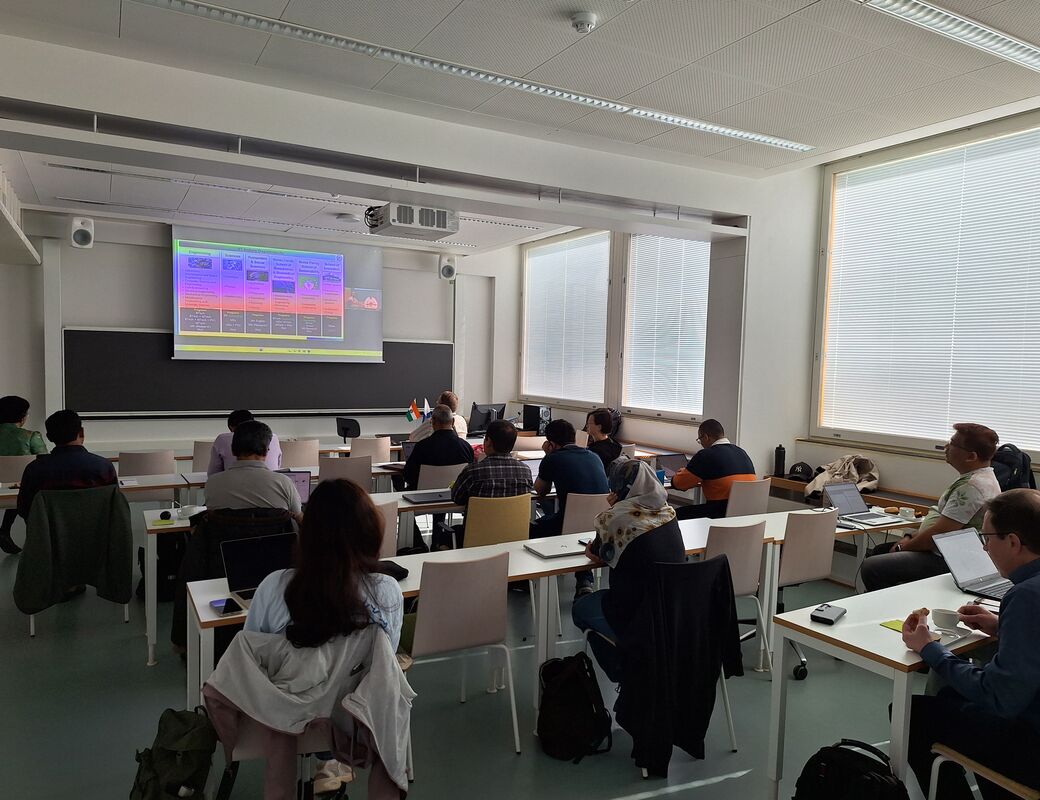
This spring, Aalto University School of Electrical Engineering organised an intensive course with visiting professors from India. Titled Digital Technologies for Response Management in Natural Disasters, the course explored how modern digital tools can support disaster preparedness, monitoring, communication, and emergency response operations.
One of the course’s responsible teachers, Dr. Alexis Dowhuszko, says the topic is pressing as natural disasters grow more frequent and complex due to climate change, urbanisation, and societies’ increasing dependence on digital infrastructure.
‘At the same time, new technologies such as wireless communications, satellite systems, artificial intelligence, drones, and digital sensing are creating new possibilities for improving emergency response and disaster management,’ Dowhuszko says.
According to Dowhuszko, collaboration with Indian universities brings together complementary expertise, perspectives, and real-world experience in both disaster management and digital technologies. The partnership also promotes international exchange in education and research, allowing students and researchers to learn from different academic cultures and application contexts.
‘Finland has strong expertise in telecommunications, wireless systems, sensing technologies, and resilient digital infrastructures. India has extensive experience in addressing large-scale natural disasters and developing practical technological solutions for diverse and challenging environments. By combining these strengths, the collaboration creates a richer and more globally relevant learning experience for students,’ he adds.
Professor Vivek Padmanabha from the Indian Institute of Technology Guwahati says that different academic and cultural perspectives made the teaching experience especially enriching.
‘The most interesting part has been interacting with researchers and students working on interdisciplinary problems. I also had the opportunity to learn about the academic culture in Finland, while meeting new academic collaborators for future research collaborations,’ Padmanabha says.
Multidisciplinary backgrounds and diverse cultures
The course welcomed students and early-career researchers from a range of disciplines, including electrical engineering, communications engineering, computer science, data science, environmental sciences, and related fields.
‘The participants in this course were from diverse background and some of them were working professionals. It was really challenging to plan the contents for this course because one has to cover from basic concepts to some advanced topics which might beneficial for all the participants,’ says Professor Kishor Sarawadekar from the Indian Institute of Technology BHU Varanasi.
For Professor Vimal Bhatia (Indian Institute of Technology Indore), the course was both a technical and personal highlight. ‘Issues and approaches in Finland and India are different, and the discussions and sharing of experiences open up different perspectives,’ Bhatia says.
Professor Romanbabu Oinam (Indian Institute of Technology Guwahati), who delivered teaching modules “Smart Materials for Earthquake-Resistant Structures” and “Earthquake Protection Systems in Modern Buildings”, describes the teaching experience was highly enriching and intellectually stimulating.
'The interactive classroom environment, multidisciplinary participation, and active engagement made the discussions very productive,’ Oinam adds.