






Tomorrow's wardrobe & fashion futuring
We need a fashion futuring approach and a new mindset—how we design and manufacture, and how we understand fashion—and this seminar aims to offer that.

The material footprint of an EU citizen — the amount of raw materials sourced from nature that they consume — averages 14.8 tonnes per year. This figure is clearly above the global average and unsustainable in terms of the planet’s carrying capacity.
The circular economy is an effective way to reduce this footprint, yet only a little over one tenth of the materials used come from recycled sources. The EU’s goal is to double this share by 2030.
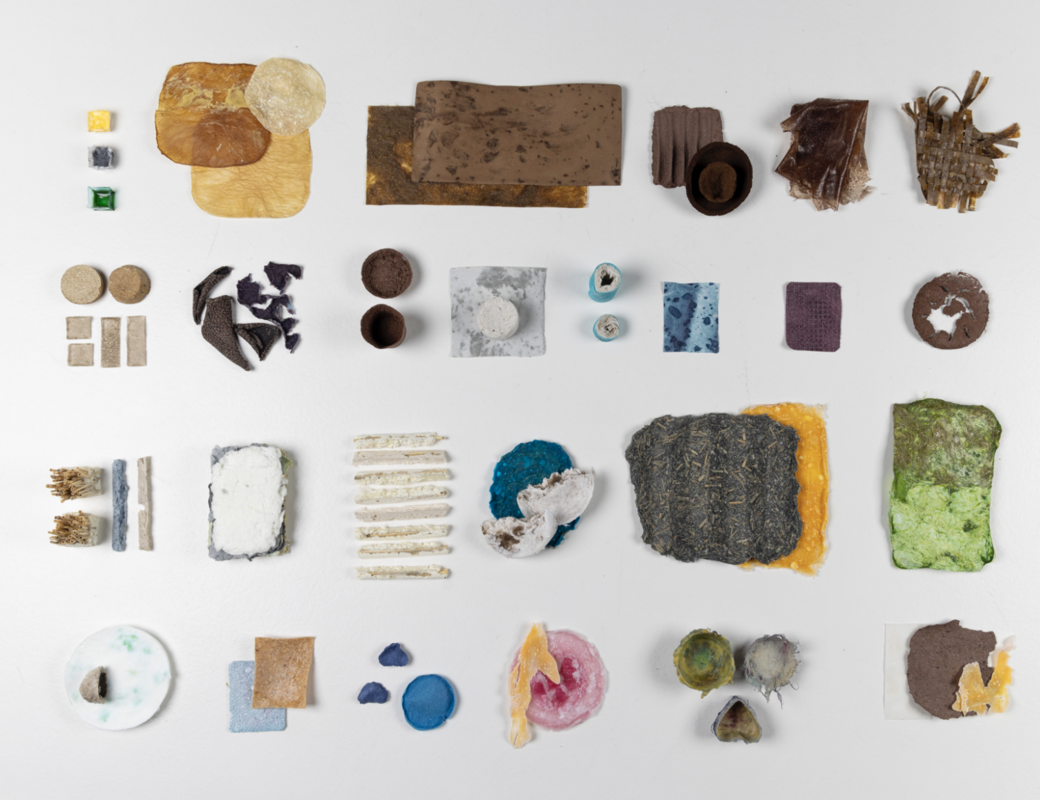
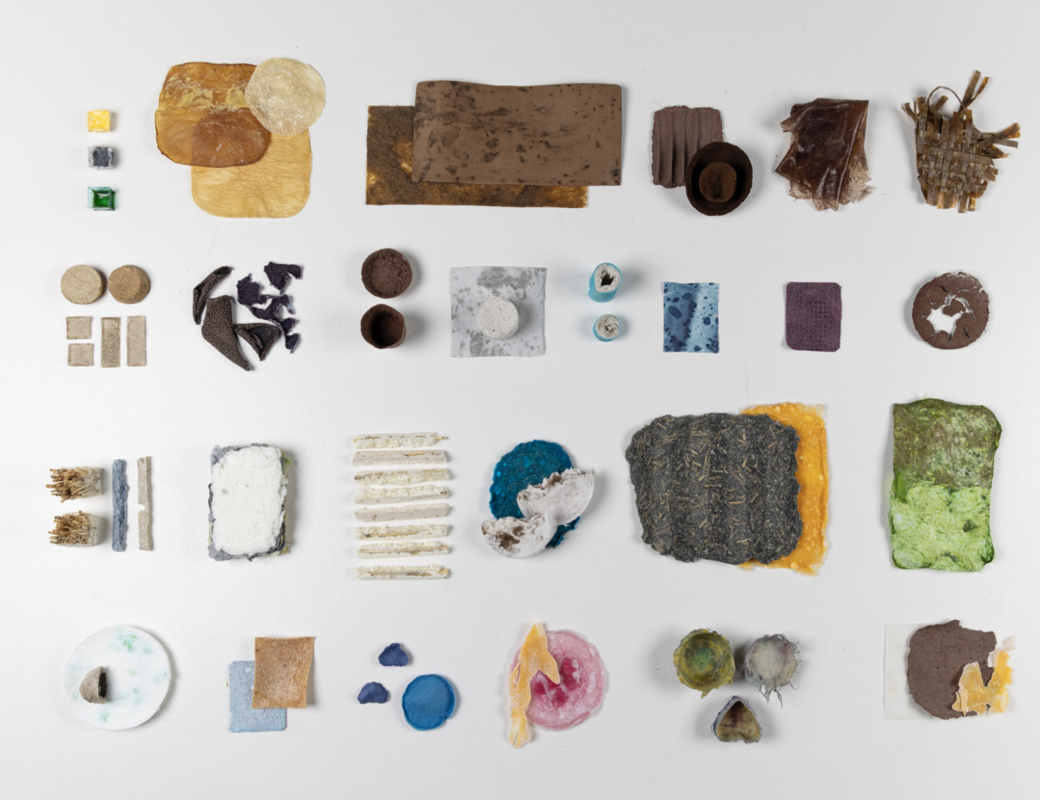
Materials destined for waste can, in the right hands, be given an entirely new purpose: seaweed becomes eyeglass frames, agricultural waste becomes textile dyes, and old textiles become insulation material.
‘In a circular economy, waste is a valuable raw material, and longevity is valuable. That is why we must design and produce high-quality goods,’ summarizes Professor of Design Kirsi Niinimäki.

Tree to Ink is a research project developing black pigment from lignin, a by-product of the wood industry. Current black pigments are often fossil-based and generate significant emissions. The development of this natural black pigment focuses on achieving a deep black colour for multifunctional material applications. The innovation aims to become a feasible, scalable, and patentable solution.










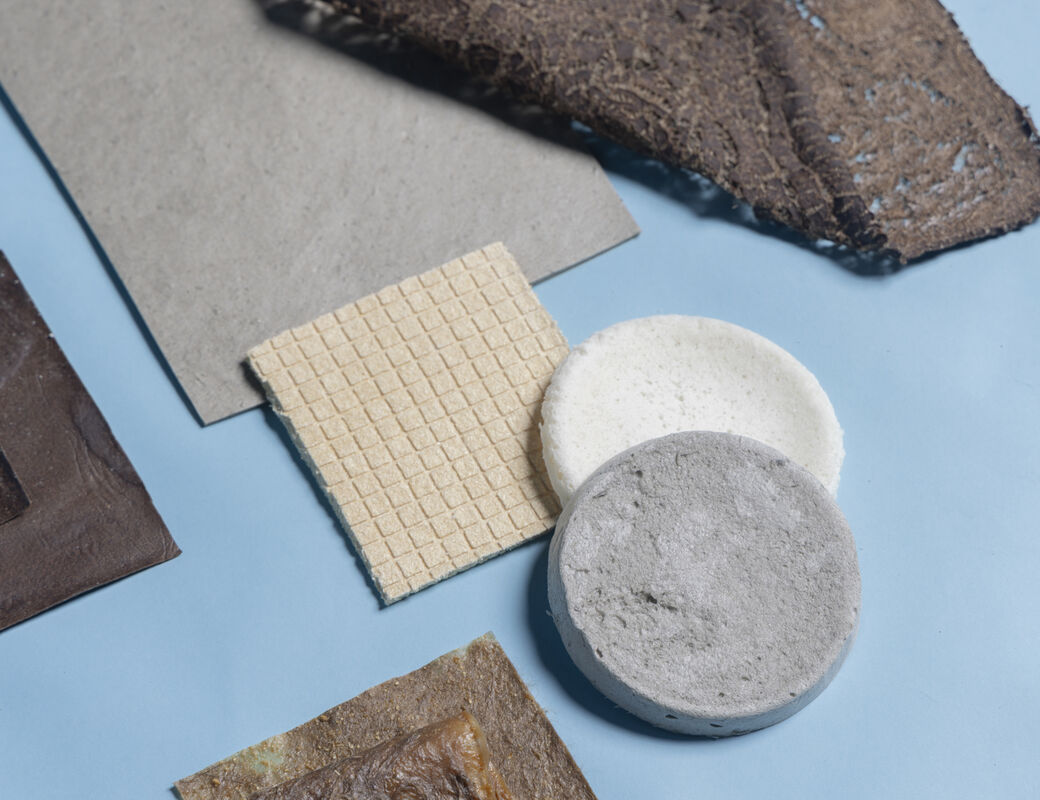

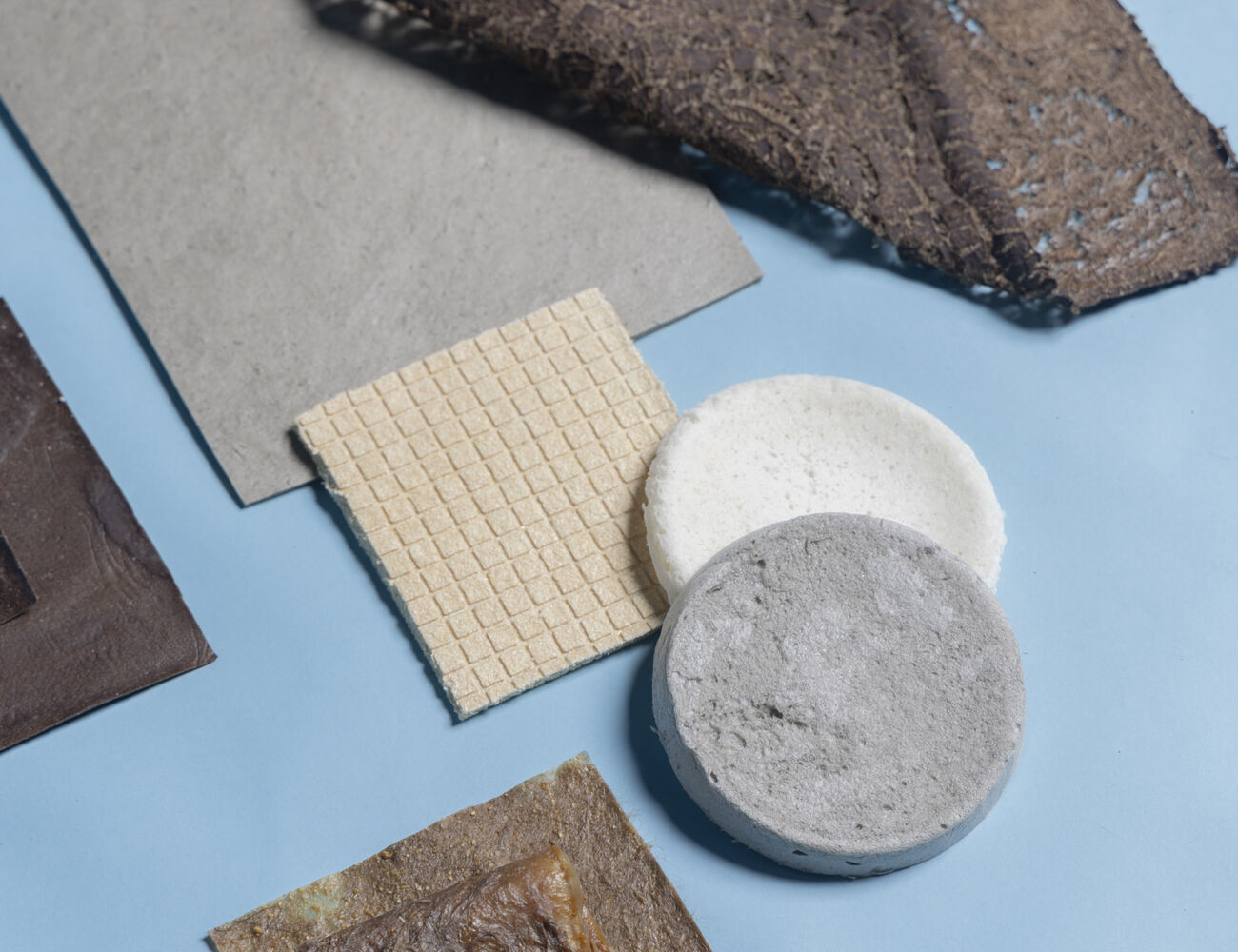
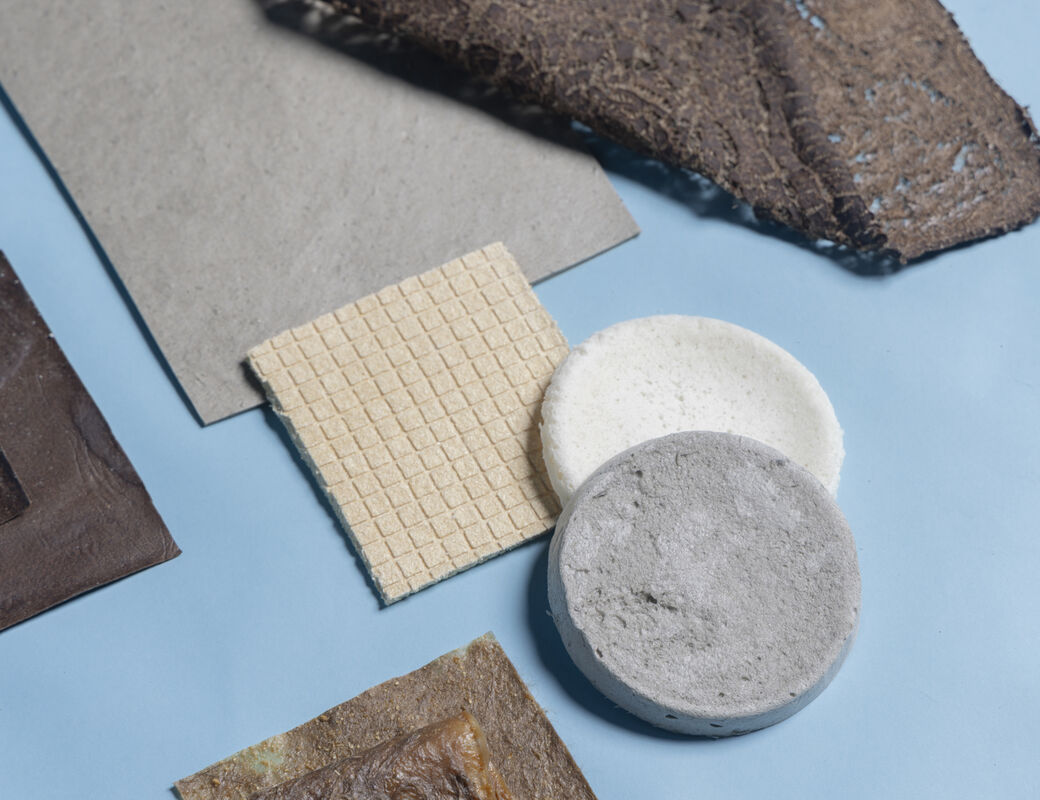
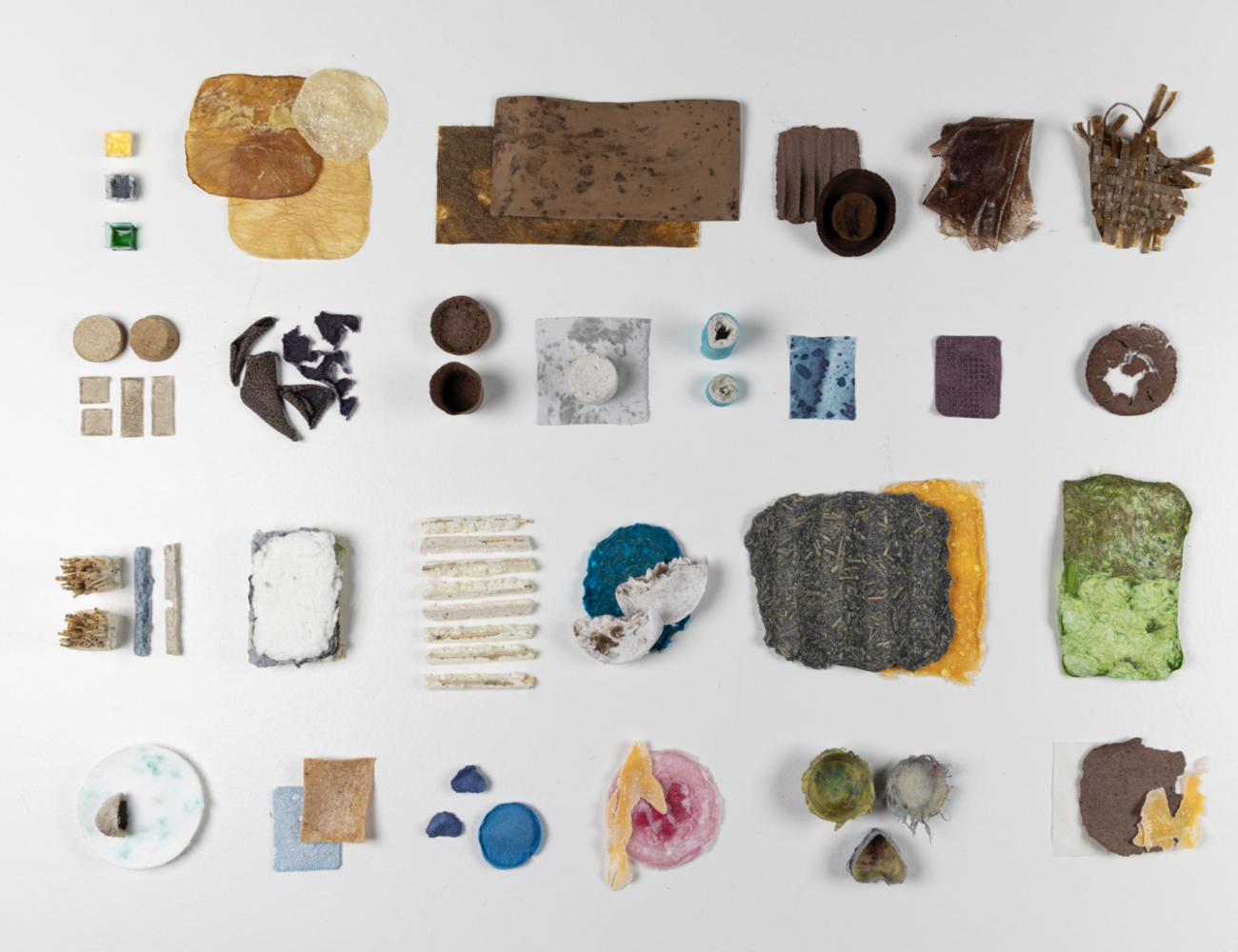



TexFoam is an innovation taking research from Aalto University into business, transforming wasted mixed textiles into lightweight, bio-based foam materials. The material is suitable for applications such as building insulation and protective packaging thanks to its porous structure. By converting end-of-life textiles into repurposed material, discarded textiles can be utilised more efficiently.

The aesthetics of sustainable fashion challenge us to reconsider what sustainable fashion can look like. For example, discarded garments or surplus materials can be used to design an entirely new experimental aesthetic (Ilona Hyötyläinen and Sofia Dinello Morais), or recycled materials can be transformed into familiar-looking yet more sustainable alternatives (T-REX).


Textile dyeing and printing still rely heavily on fossil-based colourants, binders, and chemicals that are harmful to both the environment and human health. The project develops sustainable textile colouration systems using bio-based binders and natural dyes derived from agricultural side streams, transforming waste biomass into safer and renewable alternatives for textile colouration.

Sealevä is an Aalto University startup replacing fossil-based plastics with seaweed-based materials. The surplus materials from production side streams are fully compostable and have an 80% lower carbon footprint than conventional plastics. Seaweed is cultivated for use such as food and cosmetics, yet up to 90 % of the biomass can become waste or underutilized side streams.

We need a fashion futuring approach and a new mindset—how we design and manufacture, and how we understand fashion—and this seminar aims to offer that.

This webinar introduces current developments and possibilities in the use of bio-based materials in industry, with a focus on textiles as well as other application areas.

Discover tomorrow at Aalto University's biggest exhibition! Open 1 September – 30 October 2026.