






This is how smart textiles can look like: self-cleaning cotton or a colour-changing print

Original article by YLE Svenska Åboland (in Swedish)
The translation below was implemented by Laura Koskelo (Aalto University) for Multifunctional Materials Design research group.
For many years researchers from Nordic countries have worked for making textile industry more sustainable. Now there are prototypes of cotton which can clean itself and of textiles which are created of invasive lupines.
How could future clothes and textiles become more ecofriendly, smart and sustainable? A research group from Nordic countries has tried to figure out this for many years and in October the prototypes they have made are presented in an exhibition in Turku.
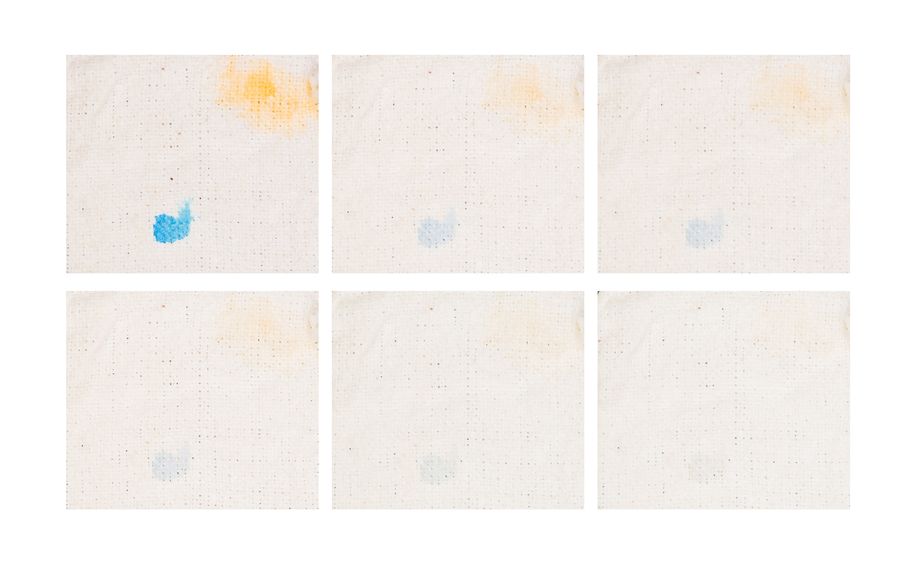
A doctoral researcher Alicja Lawrynowicz from Faculty of Technology at the University of Turku has been developing two different smart textiles. In one of the projects researchers have created a cotton fabric which can clean itself without water. This is possible because the fabric has been treated with mineral called zinc oxide.
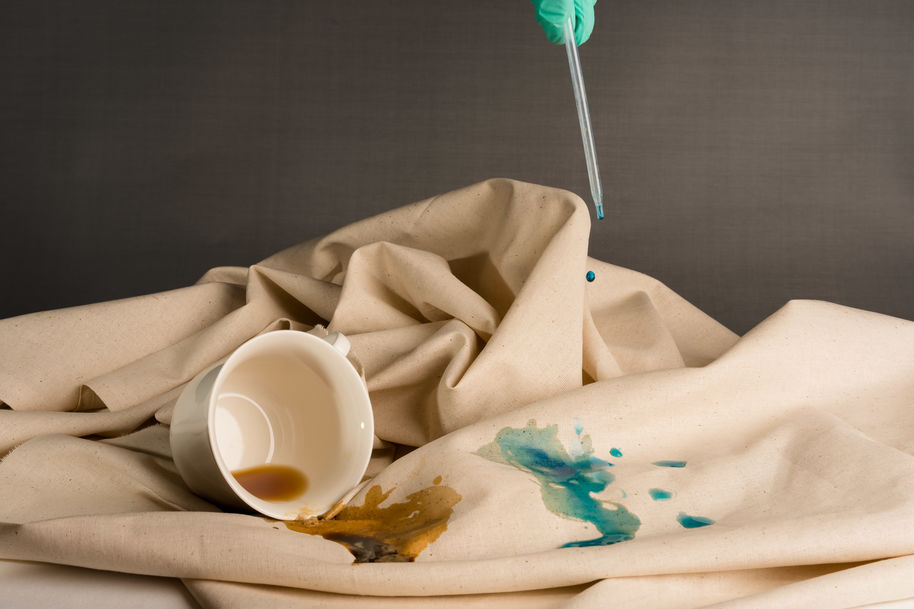
The mineral forms a self-cleaning layer and stains on the fabric disappear when they are exposed to the daylight, in other words ultraviolet light. If stains disappear by themselves, it reduces the need of washing and garment burdens nature less.
In the other textile project, researchers have managed to develop non-toxic textile print which changes its colour when it is subjected to sunlight. Mineral hackmanite, which reacts to ultraviolet radiation, is used here. The mineral does not originate from mines but is created in a laboratory in Turku.
-For first time ever hackmanite is now used in textile prints. The mineral works as an ultraviolet censor and changes its colour when you have been too long time in the sun and must protect yourself. It can reduce the risk for the damage of the sun, says Alicja Lawrynowicz.
Material out to the market
Prototypes which now have been retrieved are not yet available in larger scale. So, what is going to happen with all discoveries?
-The idea is that they are not going to stay in the laboratory. We hope that in the future our innovations will be used in industry, says Lawrynowicz.
The research is multidisciplinary, which means that there has been cooperation between different research groups. Research goes on also in other Nordic countries.
Lupine can become textiles
In Denmark one research group has invested in ecofriendly colouring and created dyes out of big amounts of waste from local restaurants, among others avocado and onion peels. Avocado peels give textiles a beautiful yellow colour and onion creates brown nuances. In future these colours could replace traditional, toxic dyes.
At the same time researchers in Aalto University have produced textiles out of lupine, which is an invasive species in Finland.
-Until now we have been removing lupines out of ditches and seeing it as a problem, but here researchers have created fibers and been able to weave a cloth out of it, says research coordinator Helen Salminen from the field of material science at the University of Turku.
Within the framework of the project researchers in Sweden have in turn worked on developing alternatives to plastic fibers (elastane) which are often used in jeans fabric for making fabric more elastic.
-Cotton which contains a few percent of plastic fibers is difficult to recycle. This makes it difficult to use the fabric as a raw material for further processes. For that reason, it is important to find new ways to weave fabric so that fabric can be recycled and can be elastic without plastic fibers, says Alicja Lawrynowicz.
The prototypes that the research group has created within the framework of 'Beyond e-Textiles' project are exhibited until 11 October 2024 in Natura building at the University of Turku.

Read more news

How can we reinvent ourselves in the face of uncertainty? Five things everyone should understand about embracing the new
In a rapidly changing world, we need the ability to think differently, question what is familiar and recognise new opportunities. Aalto University’s Professor of Practice Nando Malmelin, explains how anyone can develop their openness skills
The State of Marketing survey: Performance monitoring and budgeting remain relatively weak
Markkinoinnin tila (The State of Marketing) survey opens up important perspectives to the Finnish marketing knowhow and areas for development in marketing
Accenture joins the School of Business Premium Partner Program
Accenture's partnership with the School of Business started in September 2026.