






New vice deans appointed for the School of Science

The new vice deans of Aalto University’s School of Science have been appointed. Associate Professor of Computer Science Maarit Korpi-Lagg was selected as vice dean for impact, Associate Professor of Computer Science Pekka Marttinen as vice dean for education and Professor of Physics Robin Ras as vice dean for research.
Ras and Marttinen will begin their terms on 1 June 2026 and continue until 31 May 2031. Korpi-Lagg’s term will begin on 1 September 2026 and continue until 31 May 2031.
The new vice deans will step down from their current roles as heads and vice heads of their respective departments, and the recruitment of their followers will begin immediately.
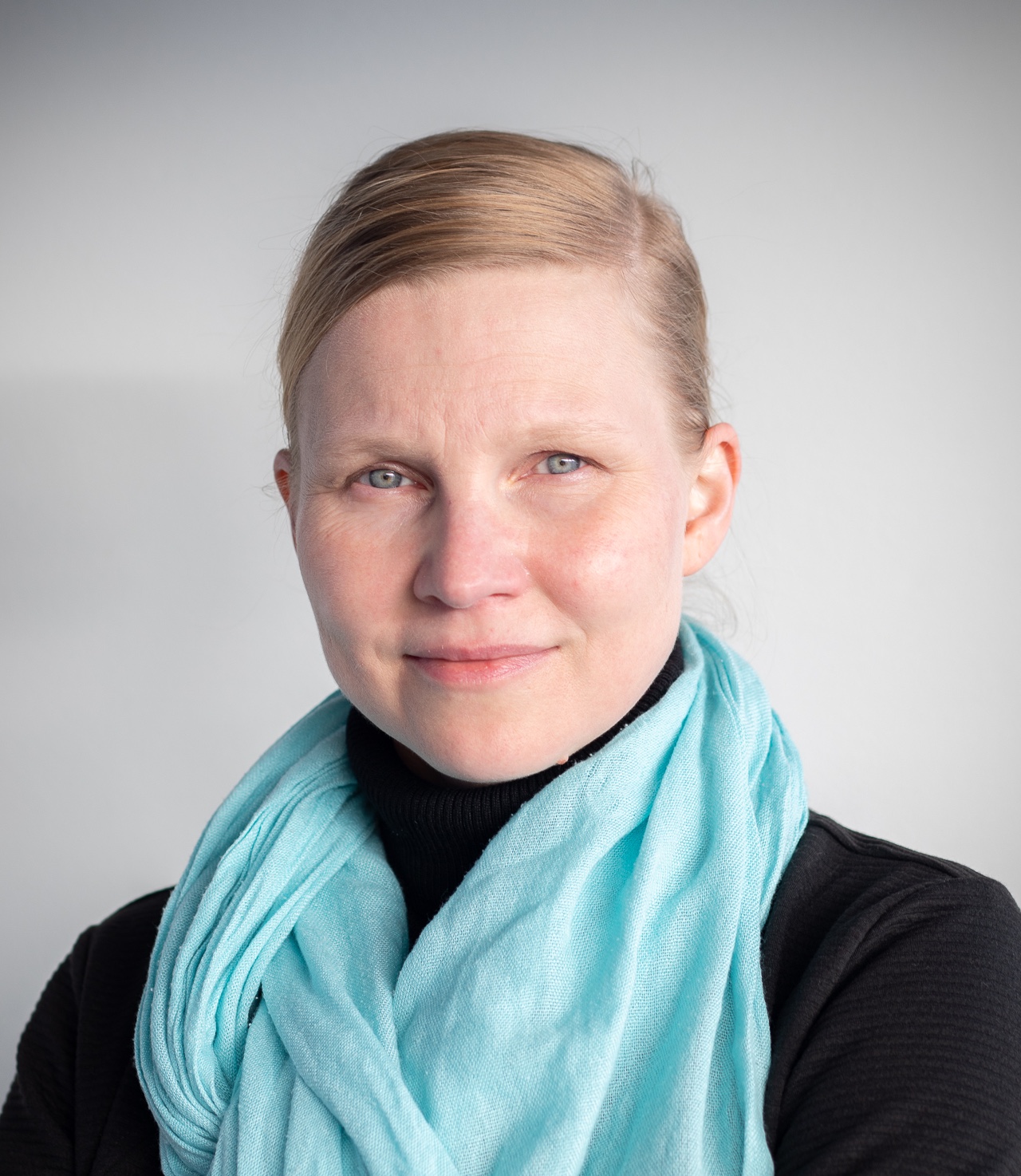
Maarit Korpi-Lagg
Maarit Korpi-Lagg received her PhD in astronomy from the University of Oulu in 1999. Korpi-Lagg has held several international research positions, including as a group leader at the Max Planck Institute in Germany. She has served as an associate professor at Aalto University since 2020.
Maarit Korpi-Lagg is known for bringing astroinformatics – a field that combines astronomy and information technology – to Finland. She leads a multidisciplinary research group (HPC Lab) at the Department of Computer Science that develops energy-efficient computational and data analysis methods for high-performance computing needs. The research group also conducts applied research, currently focusing on astrophysical turbulent plasmas found, for example, in the Sun and in the interstellar medium of galaxies.
‘As a theoretical scientist, furthermore studying the universe, it has been gratifying to be able to find practical uses of my work – It has increased the sense of belonging and thereby motivation to research and educate. Therefore, an impact strategy that translates fundamental research into partnerships, tools, and talent for society and industry, is my mission in this post,’ Korpi-Lagg says.
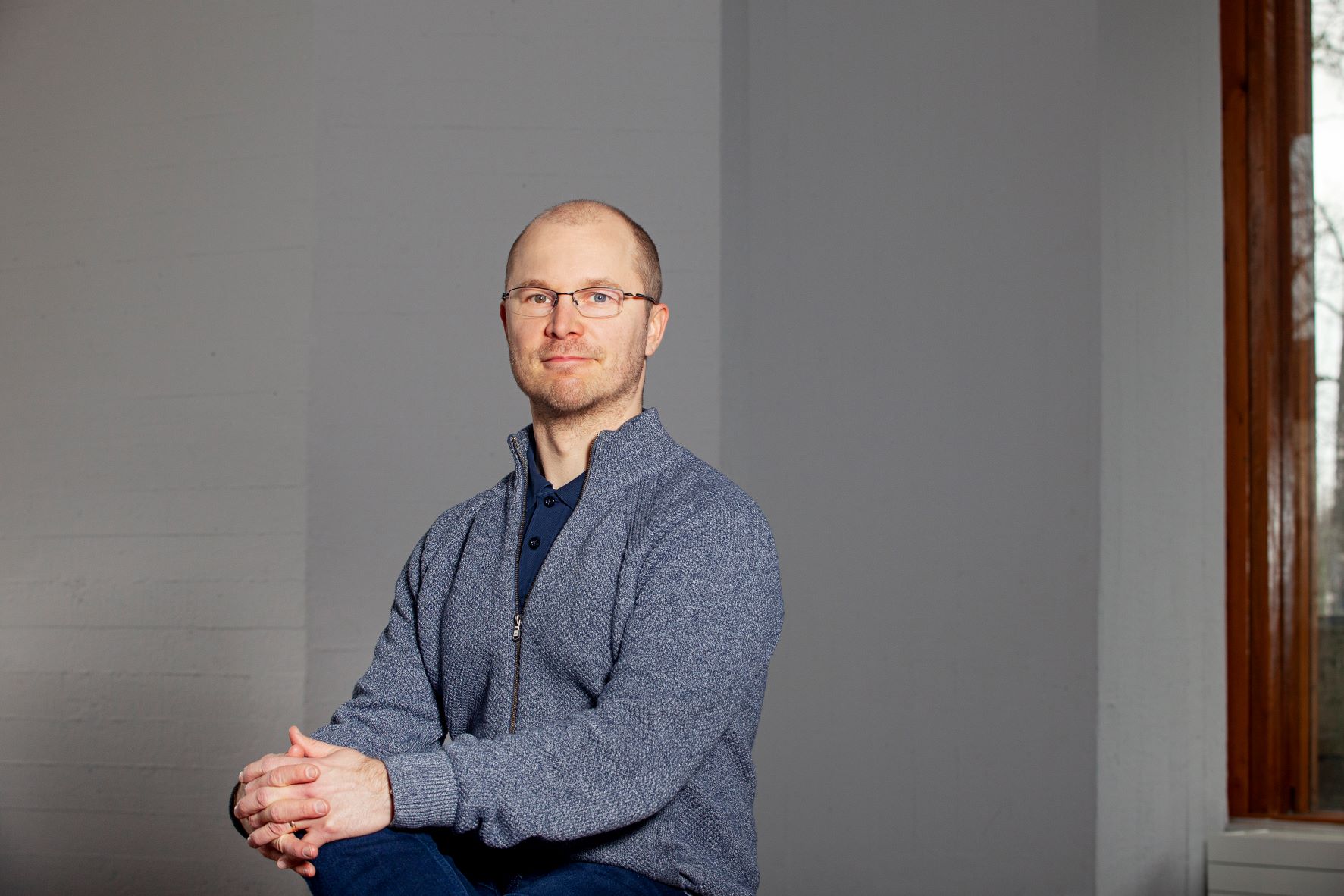
Pekka Marttinen
Pekka Marttinen’s areas of expertise include machine learning, probabilistic modelling, and their applications in medicine. In recent years, Marttinen’s research has also focused on language models, around which he has developed both new methods and health-related applications in collaboration with the University of Helsinki, HUS and the Finnish Cancer Registry. At the Department of Computer Science, Marttinen leads the Machine Learning for Health research group.
Pekka Marttinen has worked at Aalto University since 2009. Among other things, he has been responsible for the introductory machine learning course for over a thousand students and, as the head of the major, has overseen the Machine Learning, Data Science, and Artificial Intelligence (Macadamia) major.
‘As vice dean for education, I intend to focus on ensuring that we continue to provide high-quality education in the future and that students thrive and find employment,’ Marttinen says.
Robin Ras
Robin Ras received his engineering and technology PhD from KU Leuven in 2003 and started as a doctoral researcher at the Helsinki University of Technology the year after. He has been a professor at Aalto since 2013 and head of the physics department since 2021.
Ras’ research focuses on the qualities of surfaces, especially looking at how liquid droplets behave on them. He has achieved internationally significant results in the study and development of extremely water-repellent surfaces, known as superhydrophobic surfaces, with over 250 publications cited more than 15 000 times.
Ras is the recipient of a 2017 Consolidator Grant from the European Research Council and a Principal Investigator at the Center of Excellence in Life-Inspired Hybrid Materials (LIBER). He also leads the Soft Matter and Wetting research group at the Department of Applied Physics.
According to Pauliina Ilmonen, the incoming dean of the School of Science, the new vice deans form a dream team.
‘They are absolute top experts. Each one has strong expertise in their own responsibility area and represents the cutting edge of science in their field. In addition, they are forward-looking, solution-oriented, and modern leaders. The School of Science is in good hands,’ says Ilmonen.
Read more news

Student exchange in Europe? Unite! can take you there
Aalto is a member of Unite!, a European university alliance that gives students the opportunity to internationalise their degrees both online and in-person. Join the webinar to find out more.
Build Your Brand: LinkedIn Strategies for Doctoral Researchers
Have you ever wondered why your LinkedIn profile is not attracting recruiters, collaborators, or new opportunities? Are you unsure whether to share your publications, or how often you should post at all?
Two webinars on effective communication and psychological safety in the workplace
The lectures explore effective communication, collaboration, psychological safety, and focused work in a university setting. They provide practical tools and research-based insights to support teamwork, creativity, and community well-being. Delivered by psychologist Marianne Vihervuori, the sessions are engaging, practical, and easy to follow.