






The Debate
by Swantje Schulz

Through My Eyes is an experimental film that almost seems disjointed interrogating what it means to design and fabricate in Africa. Moving beyond simplified narratives of innovation and scarcity, the film asks urgent questions about infrastructure, investment ,labor and the realities of making on the continent while confronting the unimaginable diversity of the African experience. The film's visual look deliberately unpolished, almost early 2000s.
It opens in fragments: overlapping voices of designers attempting to define what “design” means to them all speaking a different language, the perspectives interrupt and collide, resisting singular definitions and instead revealing multiplicity, contradiction, and complexity.
This dissolves into an Afrocinema-esque sequence accompanied by Lingala music: a stop-motion Sapeur ( read more about the Sapeurs here https://99percentinvisible.org/episode/577-personnes-elegantes/) emerges, elegant and poised, navigating a world saturated by inherited ideas of what design should be. Surrounded by quotes from books, theories, and prescribed “rules” about design, the dos and don’ts, the canon, the frameworks he is expected to absorb he walks forward. Yet his gaze remains fixed elsewhere: on his reality, his histories, and the lived conditions surrounding him.
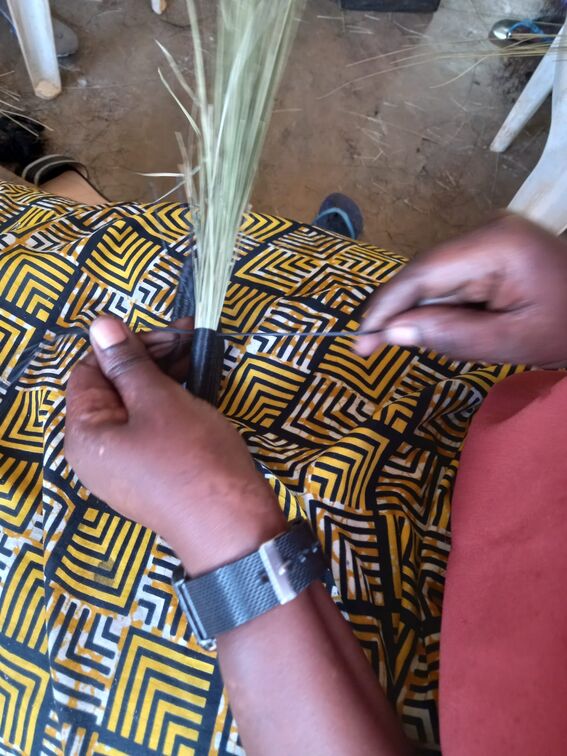
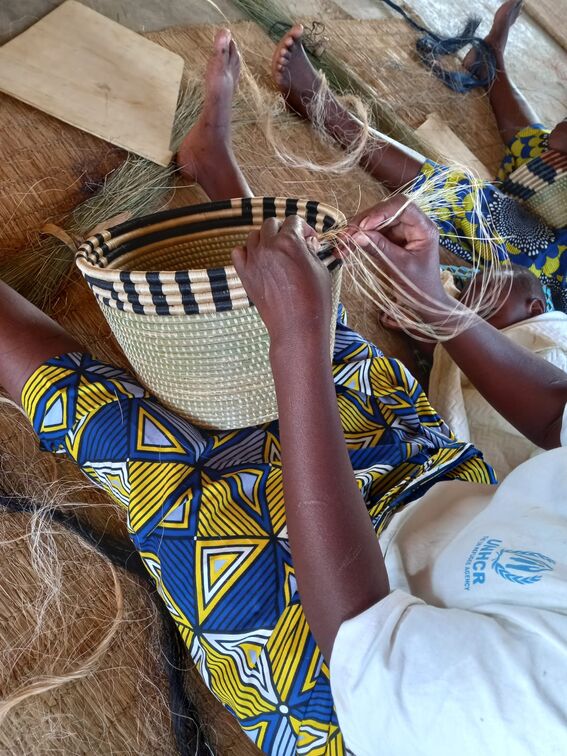
The film then shifts into intimate interviews with two voices positioned at different but interconnected points of making. One is a leader of a weaving cooperative in Rwanda, grounded in the realities of collective production, skill, labor, and community economies. The other is an academic deeply familiar with systems, structures, and the nuanced conditions shaping design and fabrication across the continent. Their reflections complicate dominant narratives, revealing both possibility and precarity.
Throughout the backdrop of these conversations, the multiplicity of work unfolds: acts of making that are at times beautiful, improvised, repetitive, dangerous, inventive, and deeply human. Factories, workshops, hands, materials, movement, and landscapes reveal the infrastructures, both present and absent, that shape production.
The film invites viewers into a layered, often contradictory reality; one where design is not abstract but lived. The flow doesn't make sense but does, a mixture of different styles, just like the film.


by Swantje Schulz

by Maria Shilnikova

by Jonna Rutanen