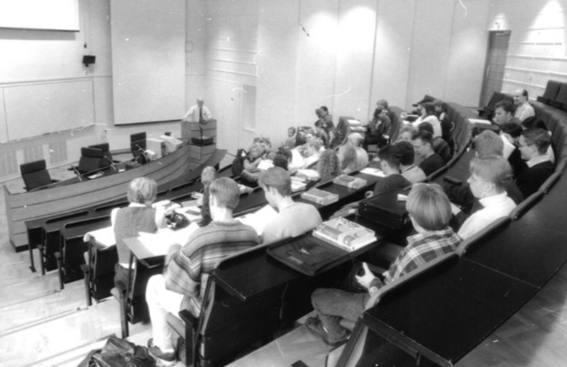
The Bachelor’s Programme in International Business was established in Mikkeli by the Helsinki School of Economics (HSE) in response to an opportunity to add study places outside the capital region. Vice Rector and Professor of International Corporate Finance Veikko Jääskeläinen was the first director (dean) of the programme that, as he expressed it, was born out of pragmatism. Yet the response was also a unique and creative approach to undergraduate education – following the “flying faculty” model used in MBA programmes.
The essential elements of the programme were there from the start: three-week modules delivered in English with students taking one course at a time, year-round studies, and a mandatory exchange period abroad.
Mikkeli was chosen as the location of the programme because of faculty connections, the support of the city, and the HSE Small Business Centre being located there.
The programme was designed to attract students from Finnish high schools but also those with an international background, in addition to foreign degree and exchange students. Using English throughout the curriculum was a radical idea at that time, particularly at the undergraduate level.
At the beginning, students were awarded Bachelor’s in Business (BBA) degrees and tuition was charged.
The 1990s saw the programme grow and extend its international networks. Director (dean) Heikki Urmas secured a broader basis for funding as well as local, national and international partnerships. Heikki himself set an example of internationality – as a former Finnair pilot who had also carried out part of his academic career in the US, he turned his own contacts into an asset for the programme.
In 1993 the programme moved to a new building on Lönnrotinkatu, where it remained until the move to Otaniemi.
In 2001, under the leadership of David Swanson, the programme gained formal accreditation by the Ministry of Education as a programme granting the Bachelor of Science in Economics and Business Administration (BScBA).
Much work was done by Dr. Swanson and the staff on the curriculum, admission policies and a wide range of other issues that had to work for the Mikkeli programme, while remaining consistent with the requirements of both the Helsinki School of Economics and the Ministry of Education. By the time he returned to the U.S. in 2003, the BScBA degree programme was on solid ground in terms of the number of applicants and the quality of the students.
Director (dean) David Atkinson further strengthened quality processes in the programme as well as ties to the South Savo region. He clarified the contribution of the programme to business education for a much wider audience. As he explained: “It was important to look at the status of the programme as seen from people outside of Mikkeli. It was clear that the programme was strong, productive and appealing. But we also felt that it was important to make it known to a larger Finnish audience and international audience.” By launching a significant marketing initiative, the programme gained much greater international recognition and respect within Finland.
Local cooperation got an additional boost in 2004 when the programme co-founded the Mikkeli University Consortium (MUC), with the University of Helsinki, LUT University and the City of Mikkeli. MUC is a networked academic community linking local units of national universities, for example in joint projects and common staff events as well as service to society. Aalto has continued a relationship with MUC even after the IB programme transfer to Otaniemi.
Director Joan Lofgren began leading the programme in late 2009, just as the Helsinki School of Economics was about to become a School within the newly founded Aalto University, which began in 2010. Over the years, Lofgren expanded the visiting faculty to include more Europe-based instructors and reviewed the competences students would need for working life, such as data literacy and ensuring a sustainable future.
The programme also underwent several rounds of integration into the School (now School of Business) and Aalto as a whole. This process culminated in the decision by Aalto and School of Business leadership to move the programme to the main campus in Otaniemi, starting Fall 2026. As the programme faced this major change in its history, it was clear that there was a strong will among all stakeholders to keep the “Mikkeli Spirit” alive.
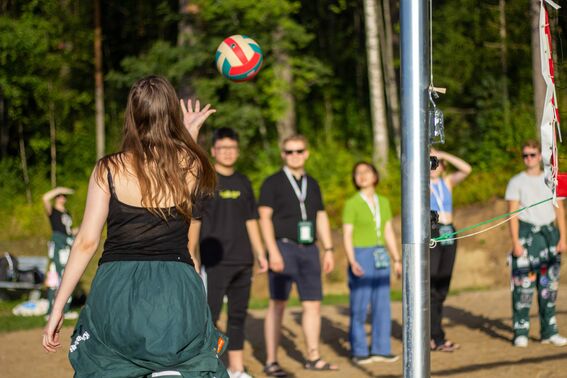
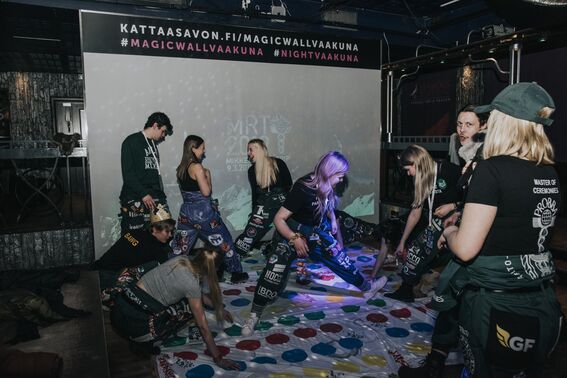
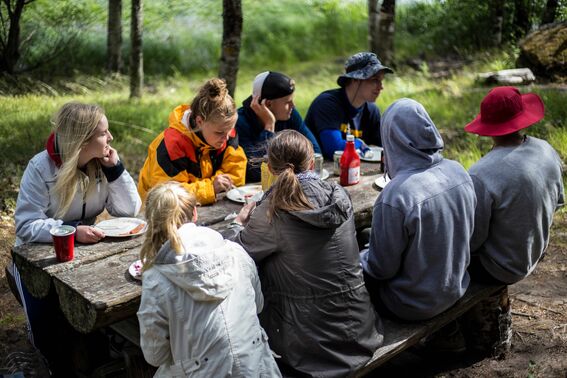
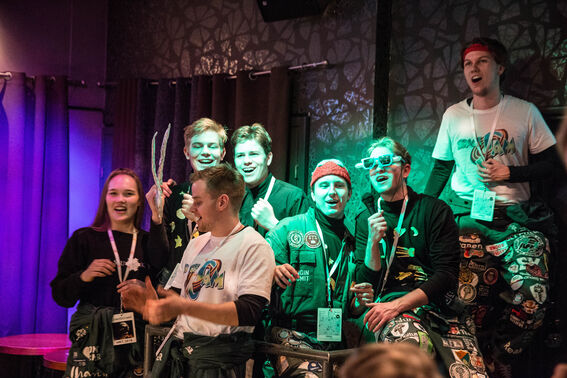
As Lofgren explains: “The Mikkeli Spirit cannot be captured solely by key performance indicators or accreditation standards. It is seen, for example, in the tight-knit community that takes good care of degree and exchange students. We also see it in the loyalty our students have for each other and the programme after they leave Mikkeli.”
Looking back on the programme’s history, she adds: “On a personal note, serving as Programme Director has been a dream job for me, and although we do things differently now than in the days of the early Deans (directors), their vision for Mikkeli still shines brightly today.”