





Health x technology: Making prosthetics feel natural for users – for a lifetime
Traditional prosthetics often feel clunky but tomorrow’s hands could move intuitively with users, without a moment’s thought.

A coach examines an elite athlete's NVL values and compares them with resting heart rate, heart rate variability and sleep quality. The athlete needs time to recover, the coach concludes.
This could become reality in the coming years if Aalto researchers achieve their goal. NVL would then be an established biomarker – a measure that provides information about the body’s condition – routinely monitored by athletes.
NVL stands for Neuromuscular Vestibular Latency. The term is not yet in widespread use, let alone its abbreviation.
‘NVL refers to the delay, or the time it takes from electrically stimulating the vestibular system – the inner-ear system that controls balance – to a response in the muscles, causing the person to start swaying,’ explains Kai Kronström. He works on Aalto University’s Vesti project, which investigates the phenomenon and aims to develop the findings into an easy-to-use measurement device for the growing biomarker market. An experienced health technology entrepreneur, Kronström focuses on commercialising the method.

The researchers have already found that every healthy test subject has started to sway when the vestibular system in their inner ear has been stimulated with an electric current. The extent of the sway and how quickly it begins varies from person to person. The researchers do know, however, that a person’s height increases the time it takes to see the effect, and this also increases with age.
‘The delay is affected by everything that happens along the pathway from the ear to the feet. We are particularly interested in how it varies within the same person in different situations and on different days, and what that tells us about the body's condition,’ Kronström says.
‘In elite sports, even small changes can make a difference. We want to find out what this new measure can tell us about an athlete’s performance, recovery and response to training,’ says Ilmo Strömberg, who is part of the support team around world-class rower Joel Naukkarinen.
Strömberg has himself just started testing the measurement device developed at Aalto and is recording his NVL values each morning and evening. In addition to the NVL readings, the researchers are also expecting comparative data on the athlete’s physical condition.
It is reasonable to assume that the delay between the electrical stimulation of the vestibular system and its biological response – swaying – is affected not only by the vestibular system itself but also by the central nervous system and the muscles. The nervous system carries the signal, and the muscles respond to it. At this stage of the project, however, the priority is not to determine exactly how the delay arises.
‘Our first goal is to make the delay as easy and reliable to measure as possible. Next, we want to establish what constitutes normal variation, whether some people show greater variation than others, and whether factors like physical activity affect it,’ says Ilkka Laakso, a professor of health technology. The delay is in the order of a tenth of a second.
Alongside the development work, ideas for new applications have emerged. The research group is currently focusing on biomarkers for elite athletes, but another potential application is already waiting in the wings: medication that can impair alertness. In Finland, these are commonly referred to as kolmiolääkkeet, roughly translated as ‘triangle medications’, because their packaging carries a warning triangle to indicate possible impairments to driving ability or alertness. As these medicines primarily affect the central nervous system, the researchers consider it quite likely that they also affect NVL – the delay they are measuring.
‘In the future, measurement could perhaps help identify the right individual dose of medication for each patient,’ Kronström says.
‘Our method could also be useful in diagnosing various neurological conditions. The measurements are very easy and quick to perform, unlike the methods currently used in hospitals to measure the speed at which signals travel through the central nervous system,’ Laakso says.
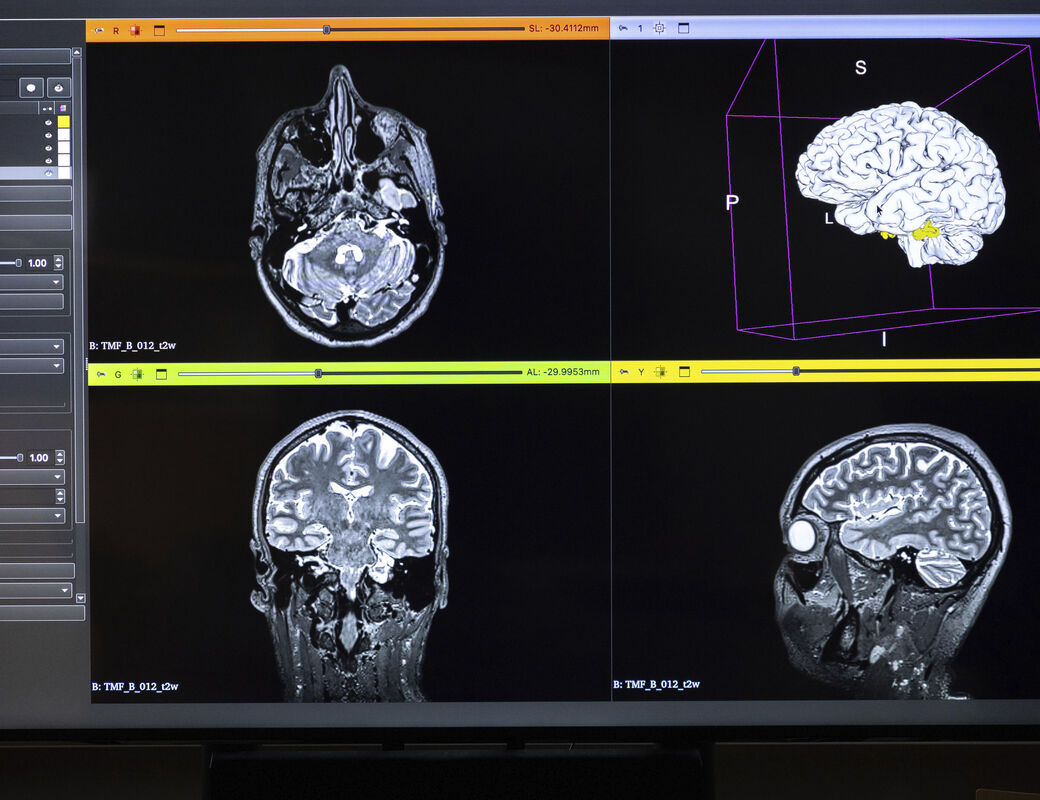
The ease of use of the measurement device and the information it provides make electrical stimulation of the inner ear a fascinating and timely subject. The phenomenon itself, however, has been known to some extent since at least 1800, when Alessandro Volta, inventor of the electric battery, inserted metal rods connected to its terminals into his ears, causing an unpleasant jolt in his head, accompanied by crackling and popping sounds. Later, other researchers reported balance disturbances more clearly.
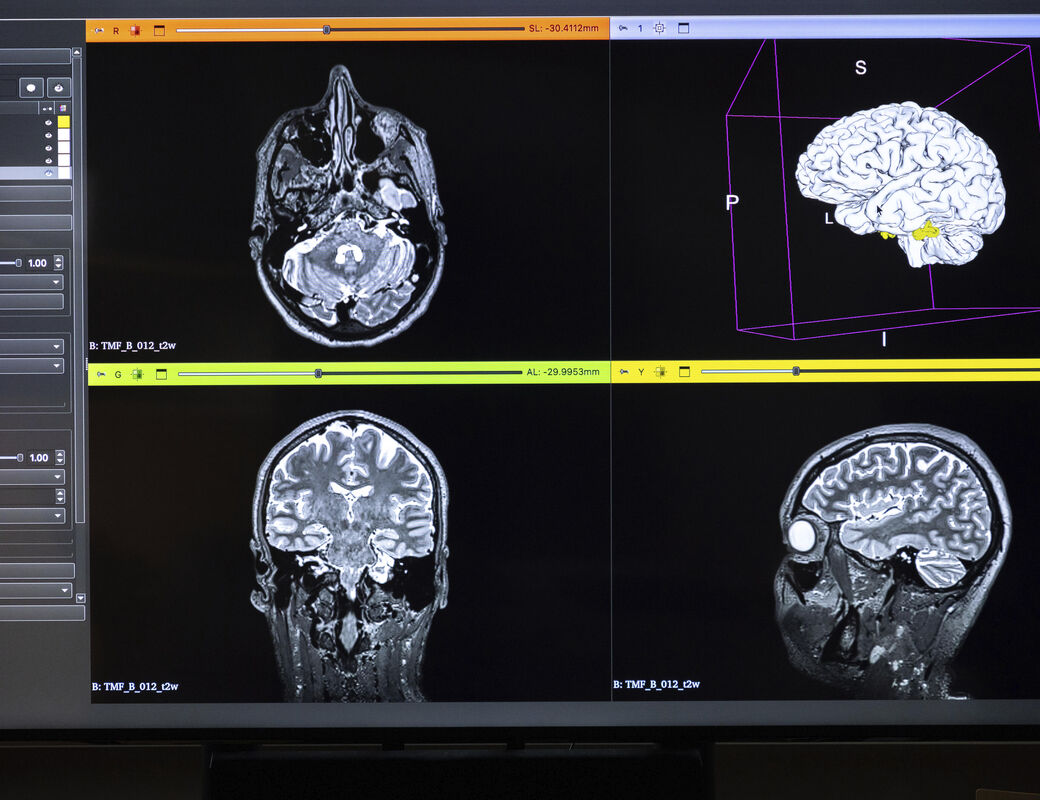
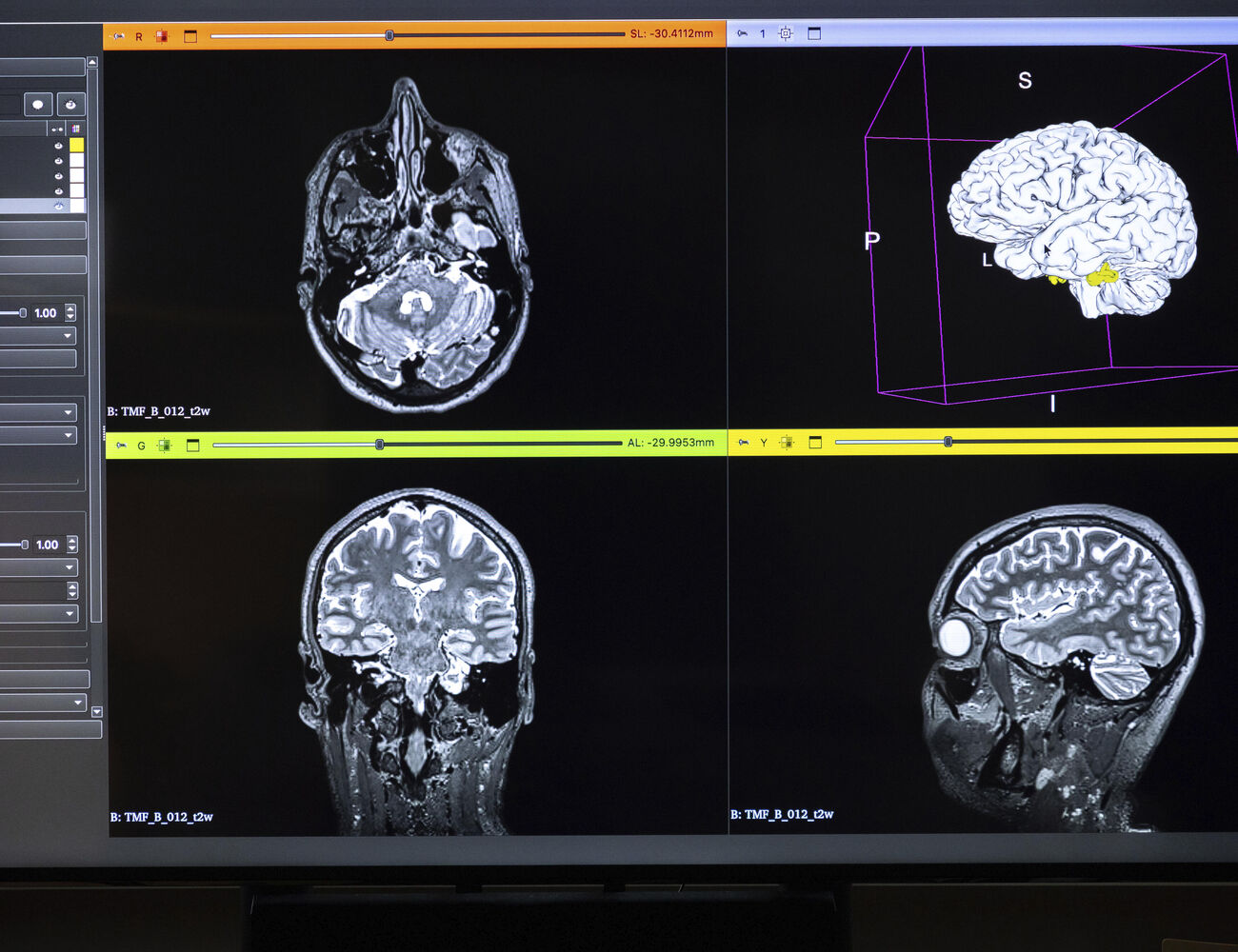
We now know that the vestibular system in the inner ear contains five sensory organs: three semicircular canals and two small, sac-like otolith organs. All contain sensory cells with tiny hairs that bend when someone turns their head, bends down, accelerates or comes to a stop. This mechanical movement is converted into an electrical signal that travels along the vestibular nerve to the brainstem. From there, the information is transmitted onwards to, among other things, muscles that move the eyes and maintain the body's posture.
Stimulating the vestibular system with an external electric current changes how vestibular nerve functions. The body reacts to the artificial sensation of movement as if it needed to correct its position, and the person begins to sway.
The Aalto research team stimulates the vestibular system using alternating current of around one milliamp, passed from one ear to the other.
‘The current is so weak that some test subjects do not feel the stimulation in their head at all, even though the swaying response occurs in measurable terms,’ says researcher Janita Nissi.

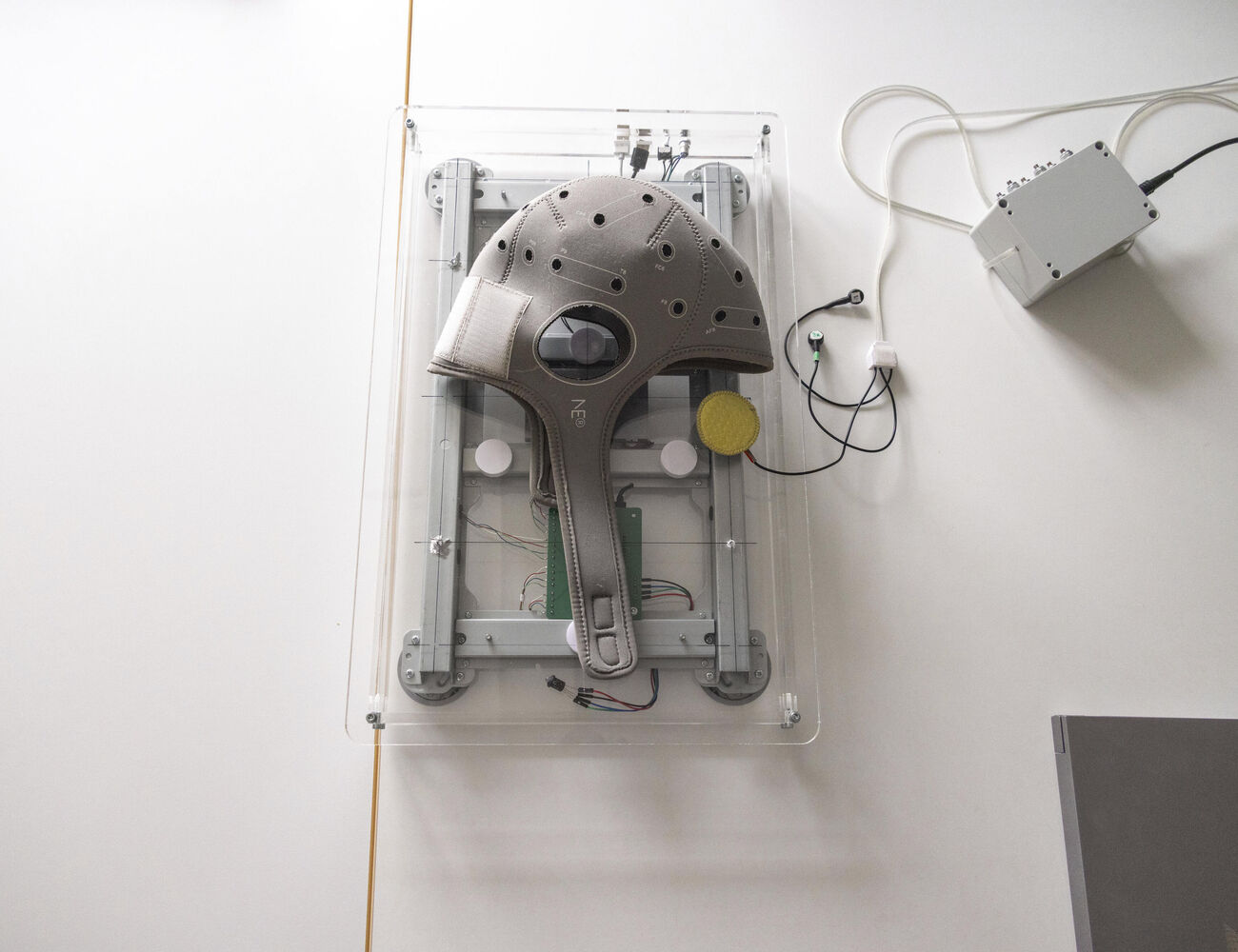
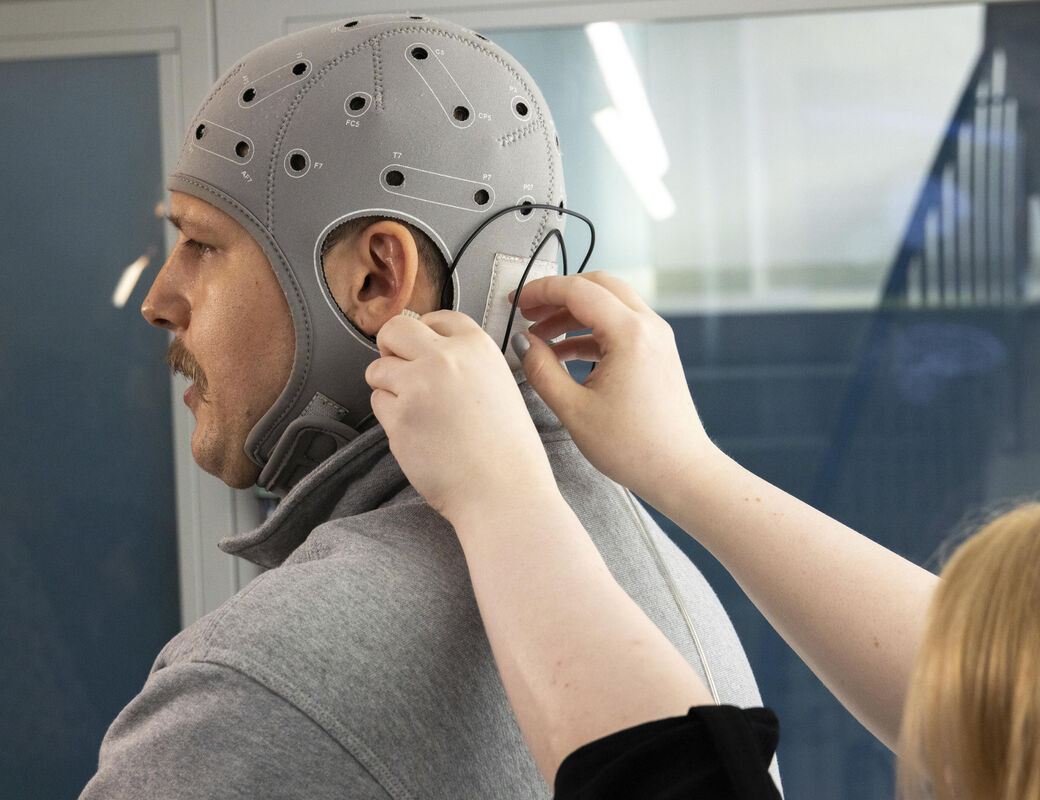
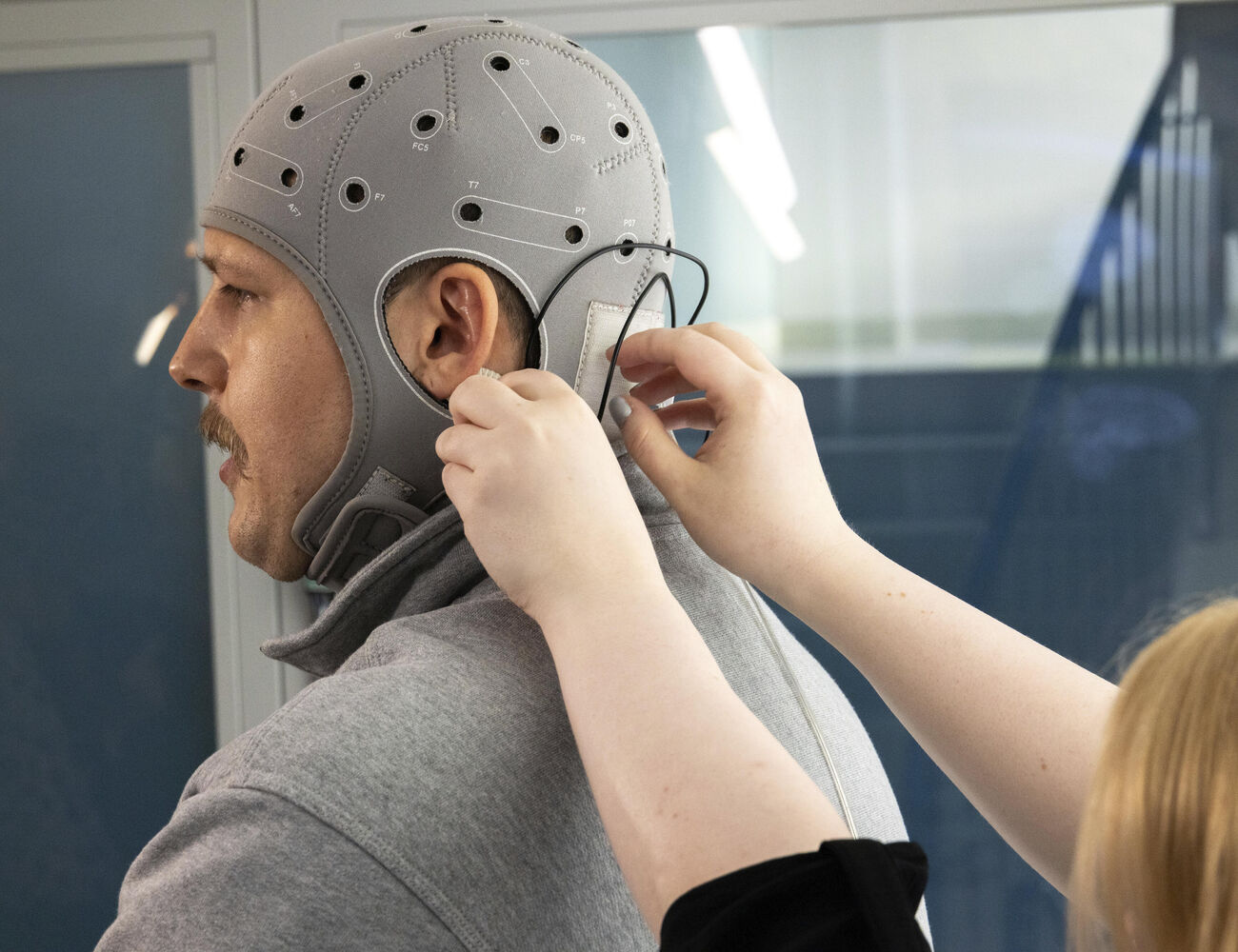
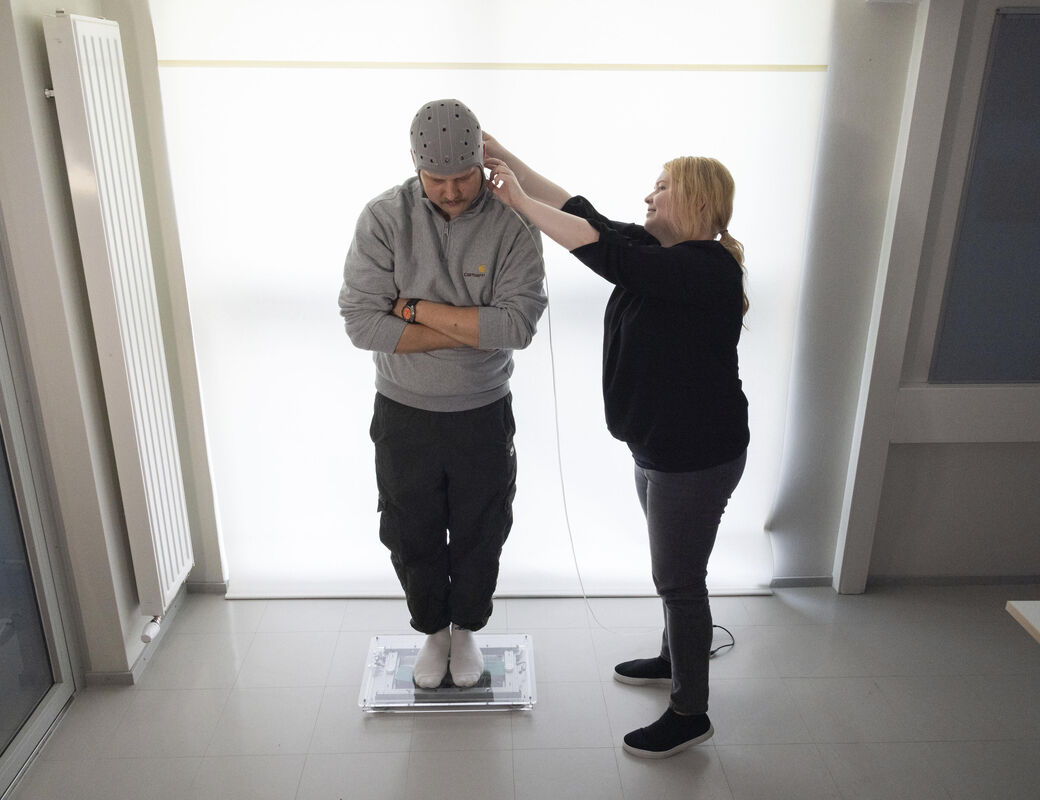
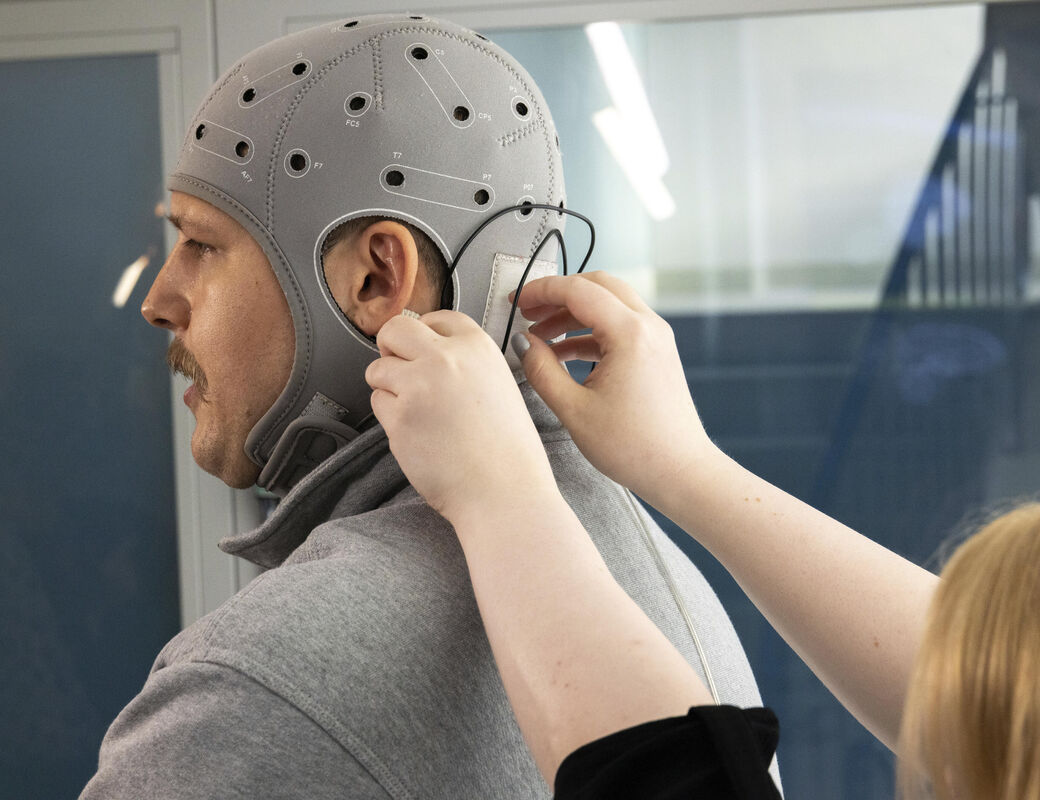
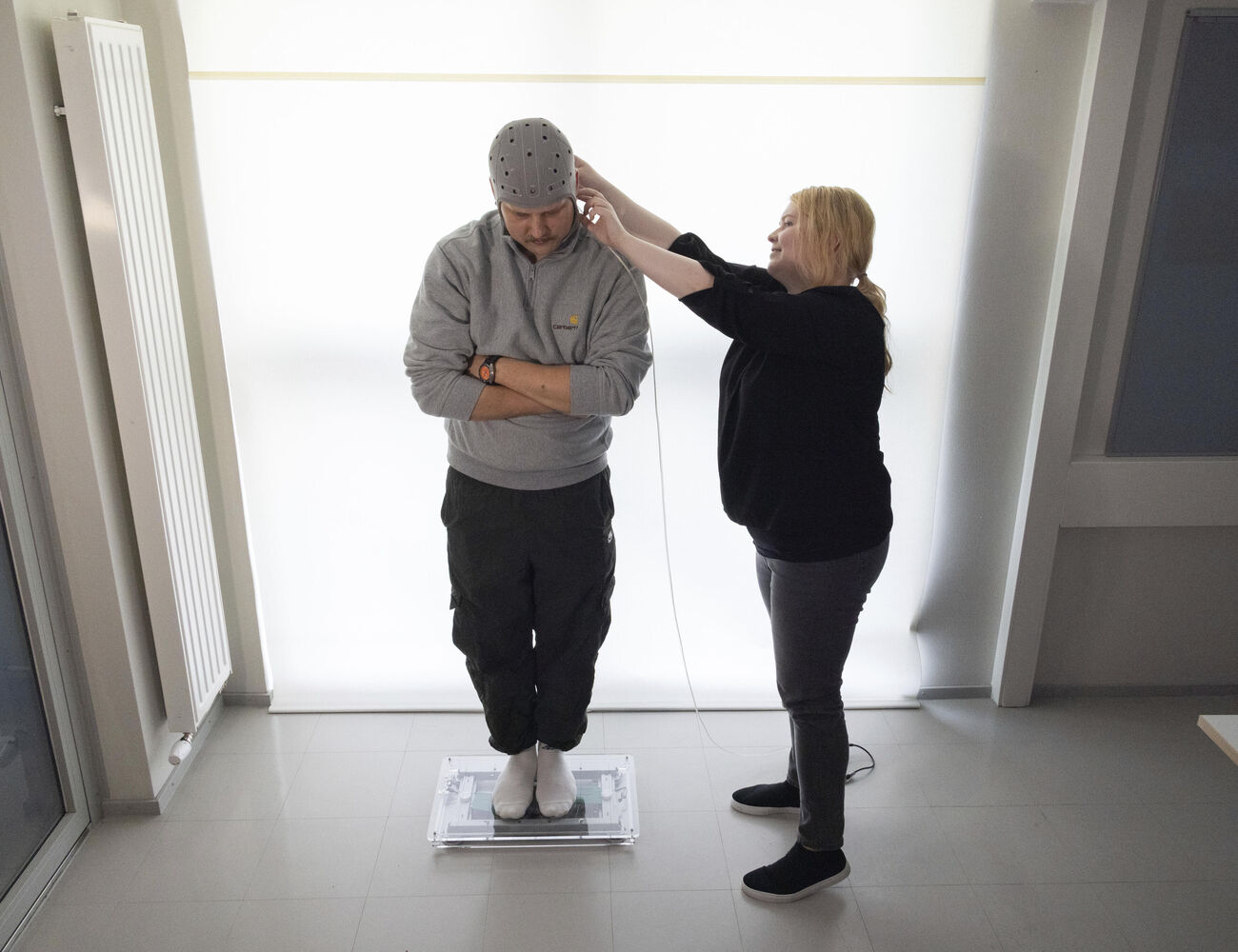
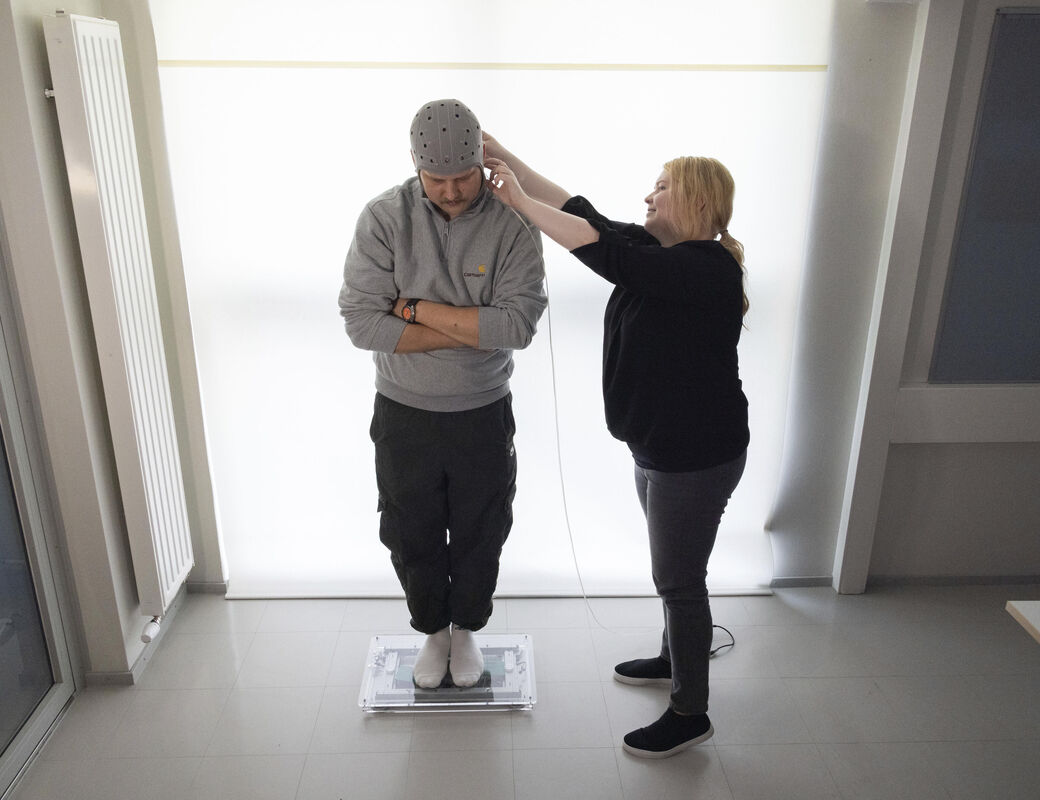
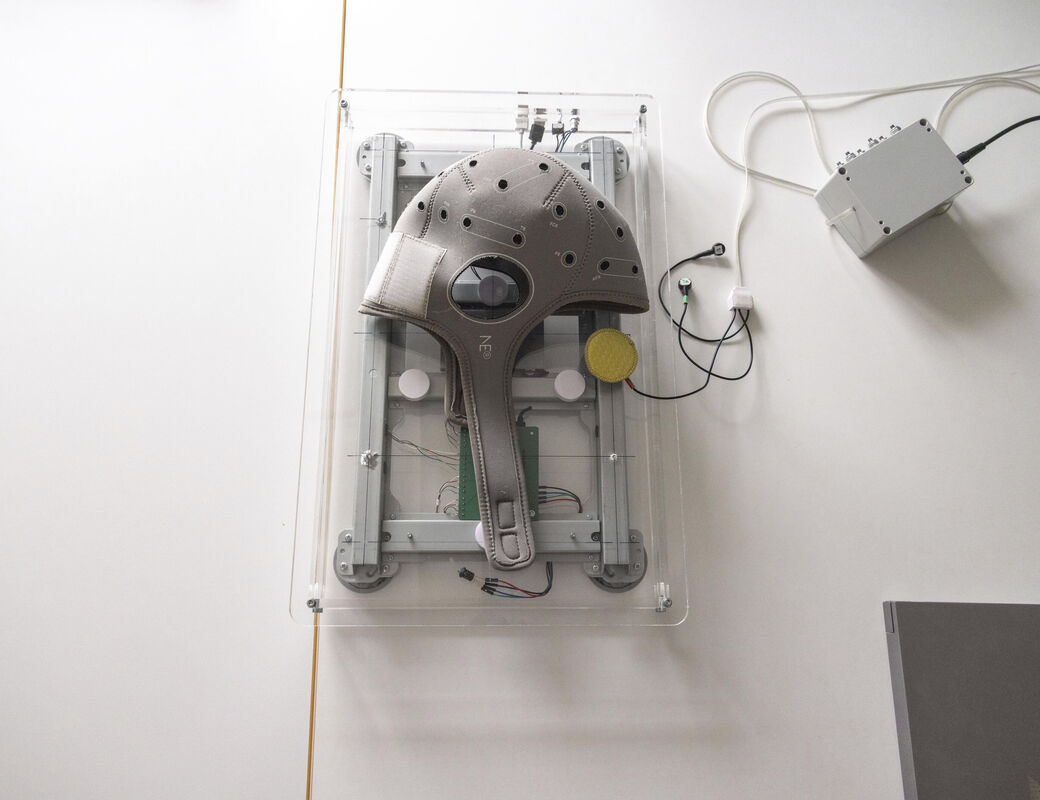
Unlike in Volta’s experiments, the Aalto research team place electrodes on the skin behind the ears. The electrodes are small discs of about three centimetres across, held in place by a cap worn and connected by wire to a stimulator that delivers rapid pulses of electric current.
‘Someone standing normally sways very slowly, so in tests it’s easy to distinguish the response caused by stimulation from this natural movement,’ Nissi explains.
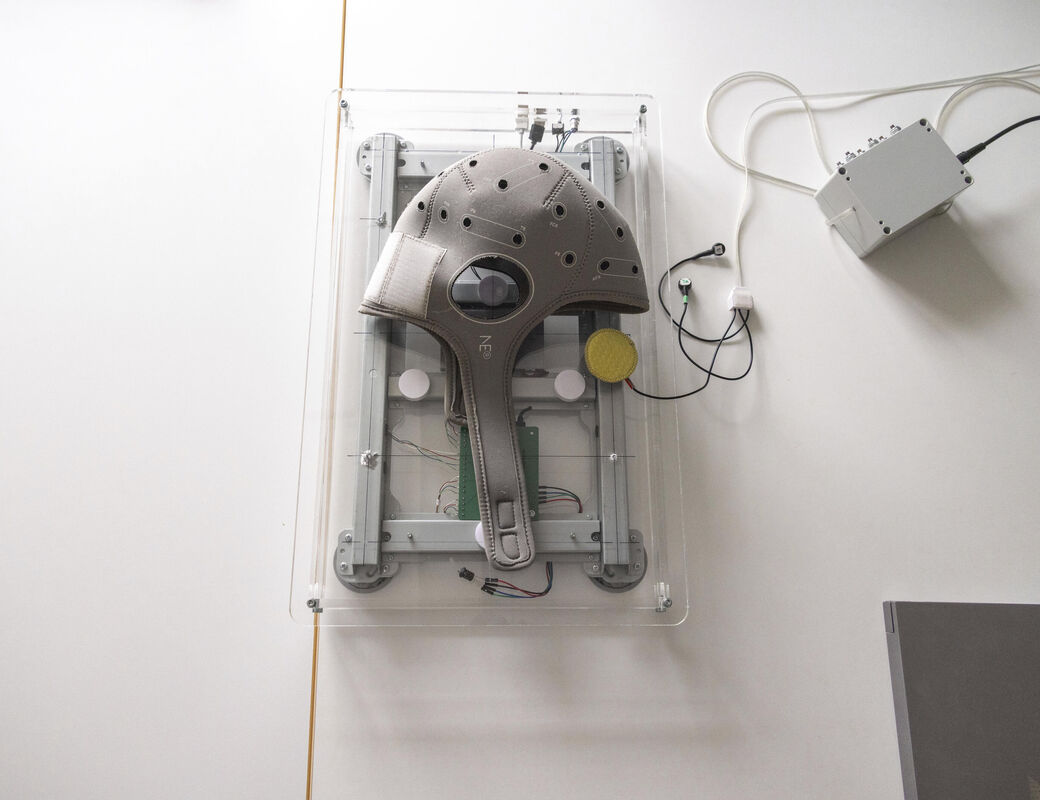
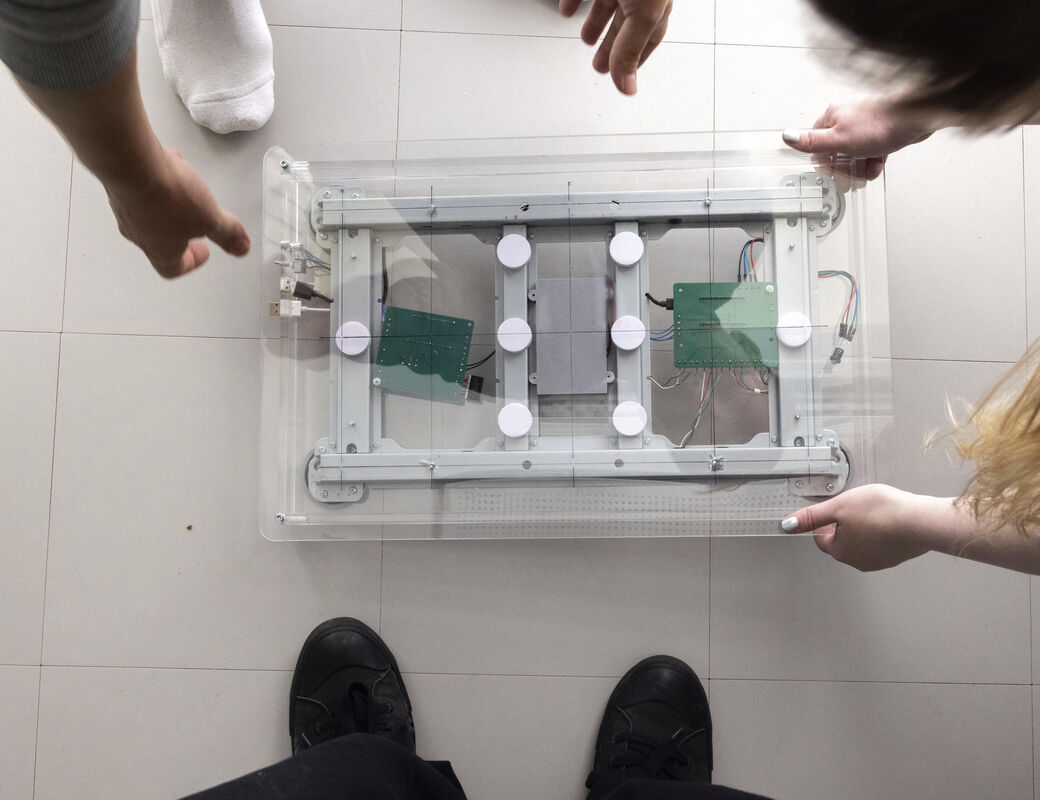
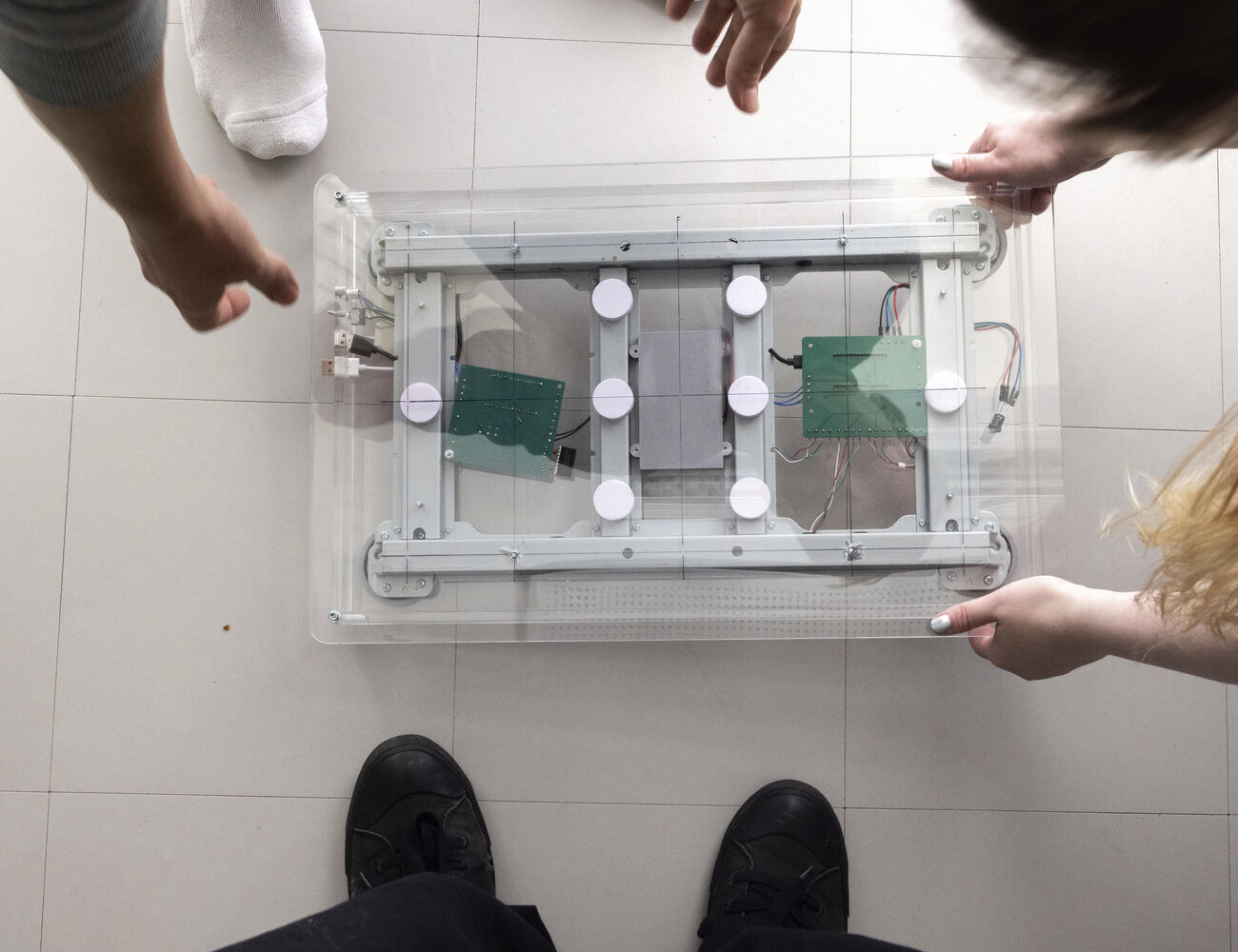
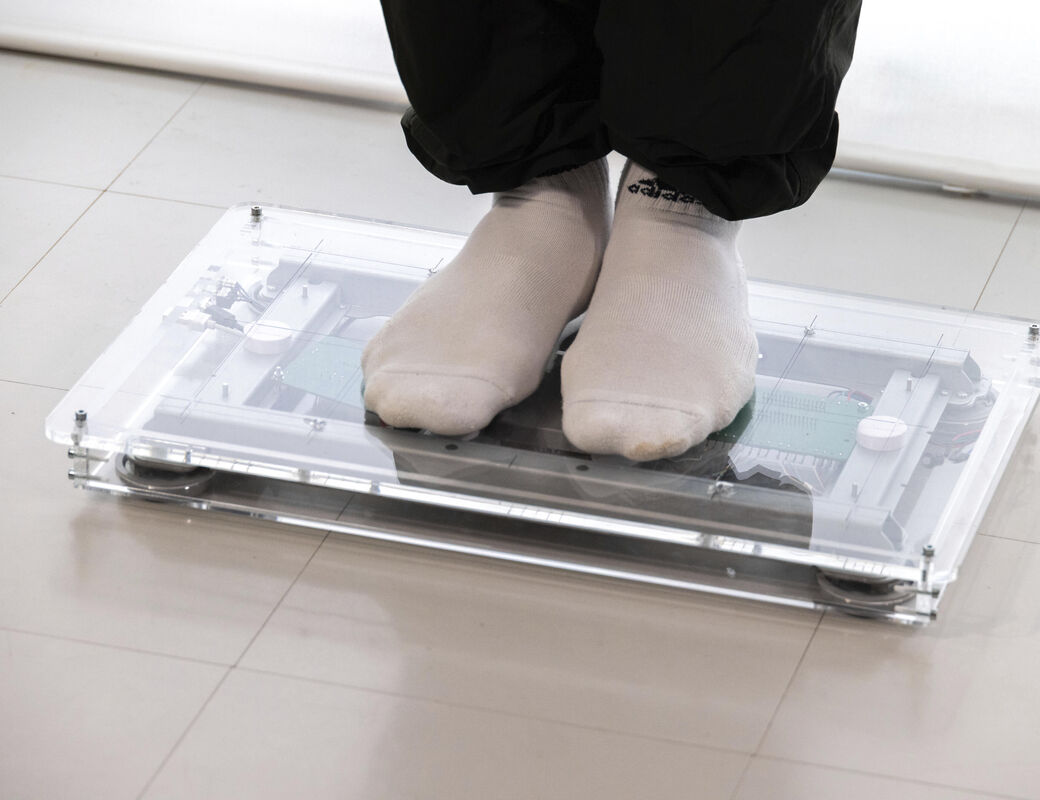
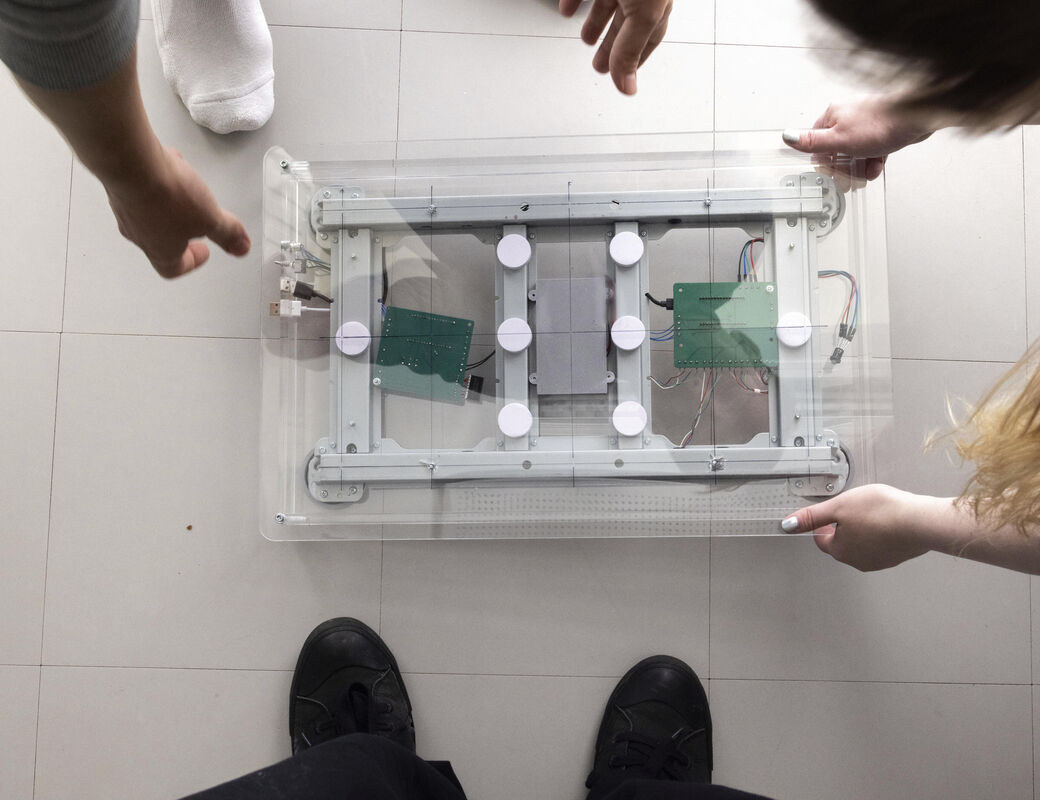
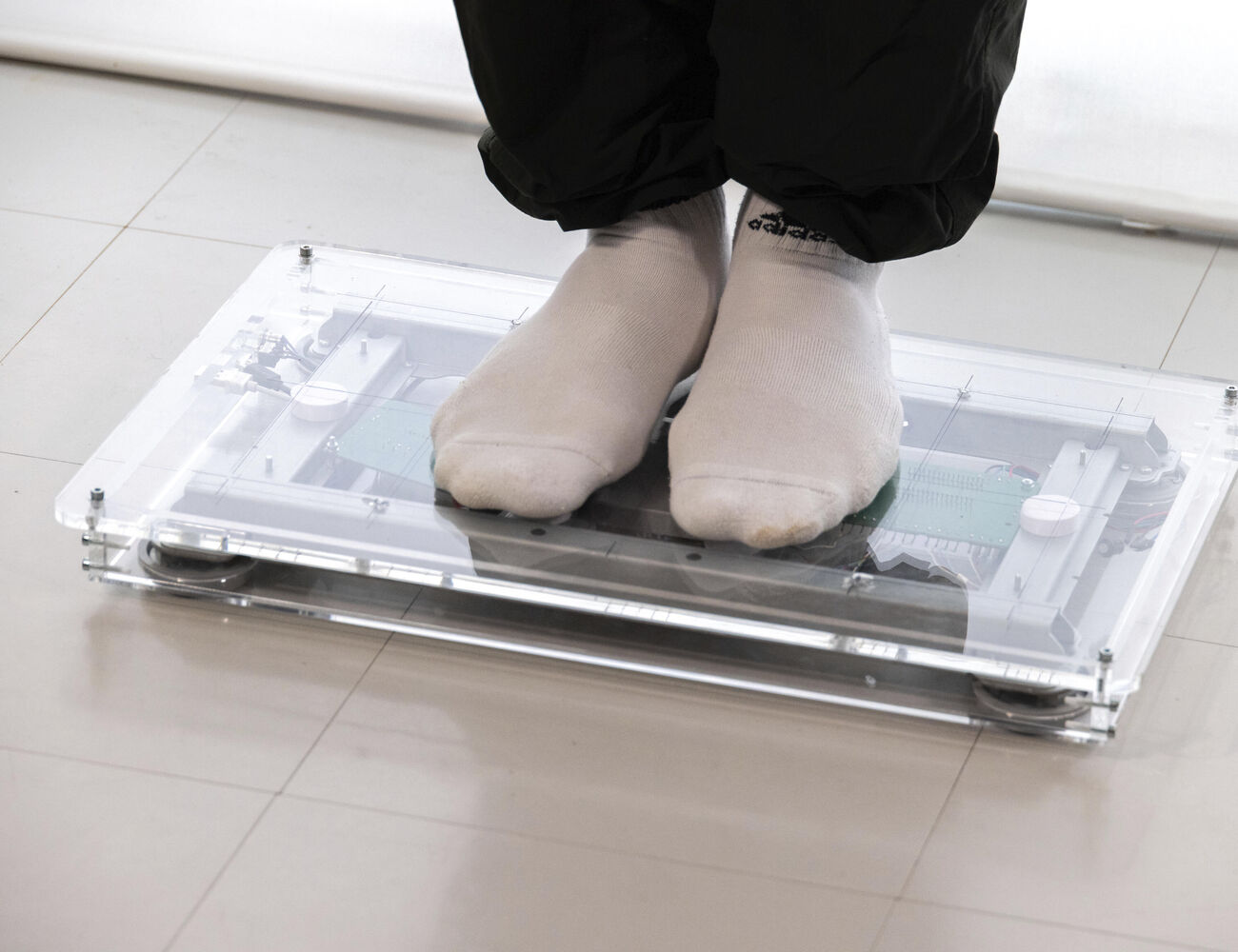
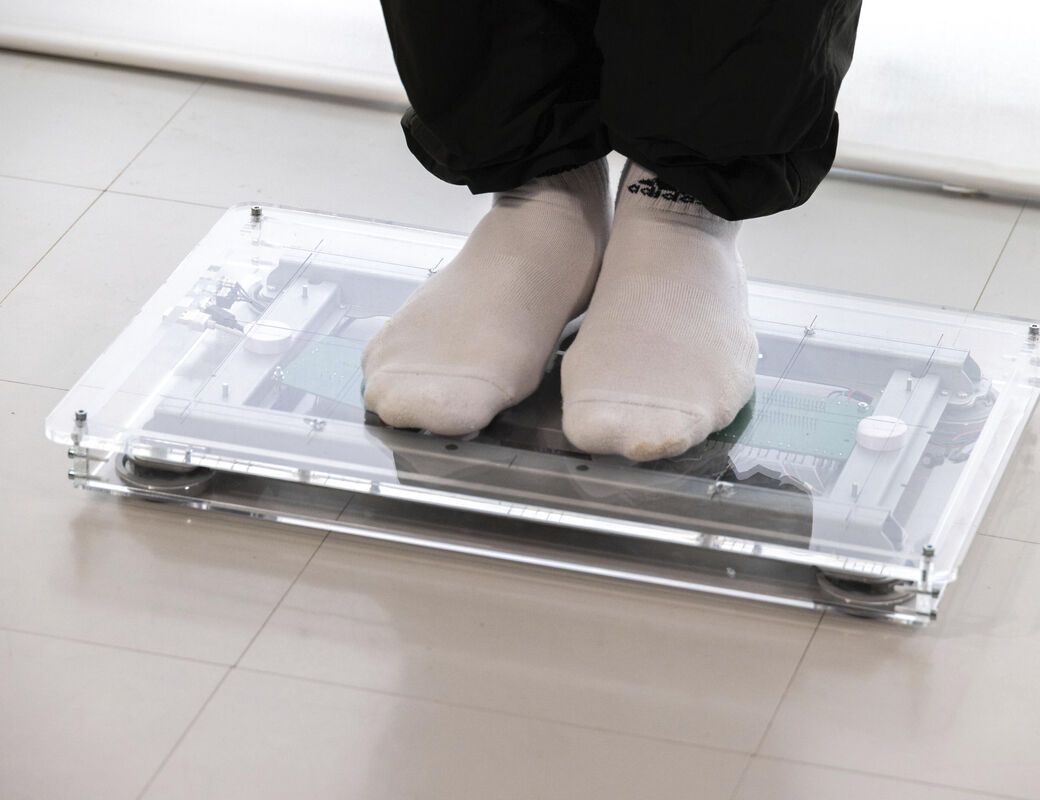
To take the measurement, the test subject stands on a balance board roughly the size of an A3 piece of paper, similar to what is used in video games. According to Nissi, the stimulation causes swaying so slight that the person cannot feel it themselves, but the board detects even the smallest shifts in their centre of gravity.
Measurement data from both the stimulator and the board are sent to a computer, allowing the researchers to track the relationship between stimulation and response, as well as the delay between them. They aim to integrate all the device’s components into a single unit, although Nissi says it is also easy to transport in separate parts.
‘We've held pop-up sessions all over the campus. It’s been easy to recruit students as test subjects,’ Nissi says. Including preparation, each measurement takes around five minutes per person.
In collaboration with HUS Helsinki University Hospital, the researchers have also measured patients whose vestibular nerve does not function on one side. In these cases, stimulation produces no response.
‘This has confirmed that the response measured through electrical stimulation really does originate in the vestibular system,’ Laakso says.
A biomarker for elite sports was not what the researchers had in mind when they launched the Vesti project in June 2025. The work originated in broader research into the safety of electromagnetic fields.
Laakso’s research group investigated, among other things, the minimum electromagnetic field strength that produces a biological effect in humans, with the aim of establishing exposure limits for power lines and electrical equipment.
When Nissi joined Laakso’s research group, she began her master’s thesis on electrical stimulation of the eye and computer modelling. She later continued this work in her doctoral research, extending it from the eye to the vestibular system in the ear.
‘The vestibular system is particularly interesting in this type of research because it is highly sensitive to electrical stimulation,’ Laakso explains.
‘Stimulating the vestibular system produces swaying that we can measure, whereas when we stimulate the eye, the test subject has to report whether they see flashes of light,’ Nissi adds.
As the team investigated the vestibular system and developed a method for measuring its response, they also considered other commercially promising applications. They soon turned their attention to diagnosing dizziness.
Roughly one-third of the population experiences dizziness at some point in their lives, and the diagonostic process places a burden on healthcare services. Around a quarter of dizziness cases are vestibular, meaning they originate in the inner ear's balance system.
‘Our method worked, but we concluded that doctors can already determine fairly easily, using existing methods, whether the problem lies in the vestibular system,’ Laakso says.
The team shifted their focus from the magnitude of the response to the time delay between stimulation and the body’s response, steering the Vesti project towards biomarkers. The project is part of Aalto’s Research to Business programme, which means its ultimate goal is to bring the innovation to market.
In the future, electrically stimulating the vestibular system could provide information about the condition of the central nervous system more easily, quickly and affordably than existing methods.
Currently, the speed at which signals travel through the central nervous system is typically measured using magnetic stimulation of the brain’s motor cortex, producing a response measured with electrodes placed on a muscle, for example on the hand or leg. This method is generally used to investigate damage to or dysfunction in the central nervous system. In addition to expensive equipment, the measurements require specialised personnel, and the method is not suitable for continuous monitoring.
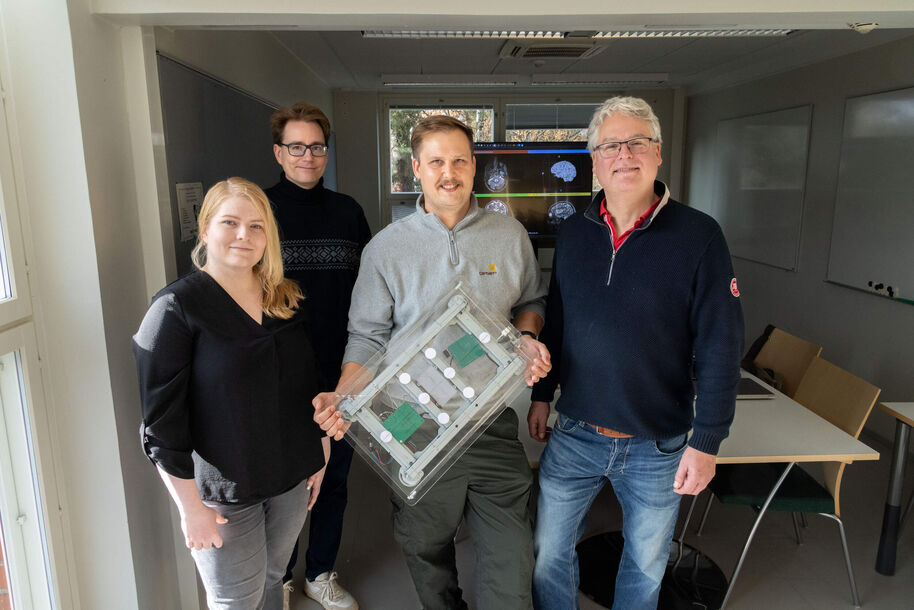
The device developed at Aalto to stimulate the vestibular system brings measurement to the test subject, who may even be able to use it on their own. It consists of an electrical stimulator, electrodes placed behind the ears and a balance board. It may not fit inside a smart ring, but it could certainly help with regular monitoring.
Text: Marianna Salin
Photos: Aalto University/Mikko Raskinen

Traditional prosthetics often feel clunky but tomorrow’s hands could move intuitively with users, without a moment’s thought.

Master’s students Teemu Rauha and Elias Viitanen designed new filters for an accessible magnetic resonance imaging (MRI) scanner, aiming to reduce interference and improve image quality. The technology, developed within a research project, could one day accelerate diagnoses of conditions such as stroke.

In the Health Technology Engineering Master’s Programme, Antonina Strzelecka is hoping to directly benefit patients


