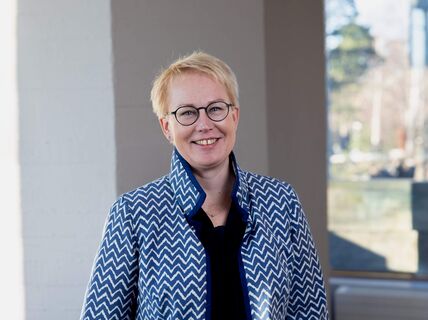
Founder Minor

Explore entrepreneurship. Build your future. Join the Founder Minor.
The Founder Minor gives you a structured pathway into entrepreneurship through hands-on courses taught by experienced founders, operators, and educators. Whether you want to launch a startup, build a project, or develop skills that complement your future career, you'll gain practical tools you can apply across industries and disciplines.
You'll learn how to spot opportunities, test ideas, build products, reach customers, and navigate uncertainty—while developing the confidence to turn ideas into action.
Whatever you study, you can complete the full minor or take individual entrepreneurship courses as electives alongside your degree.
Along the way, you'll learn how to:
- Turn problems and opportunities into ideas worth exploring
- Build and test products with real users
- Create startups and develop new ventures
- Find customers and build go-to-market strategies
- Understand venture financing and entrepreneurship law
- Tell compelling stories and communicate ideas
- Experiment, learn from failure, and navigate uncertainty
You don't need a startup idea, a business background, or a plan to get started. Just bring your curiosity.
Payam SalarvandThe Founder Minor is basically the shortcut I wish I’d had all those years ago as a founder. I went in curious, and I came out sharper.
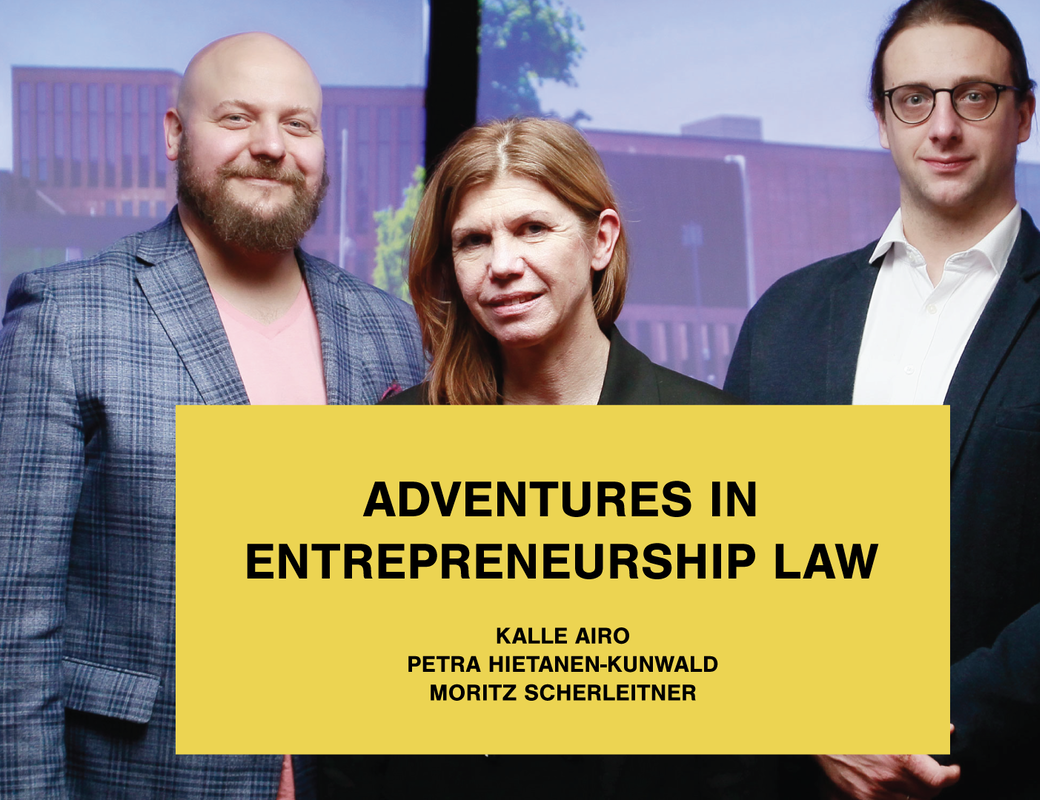















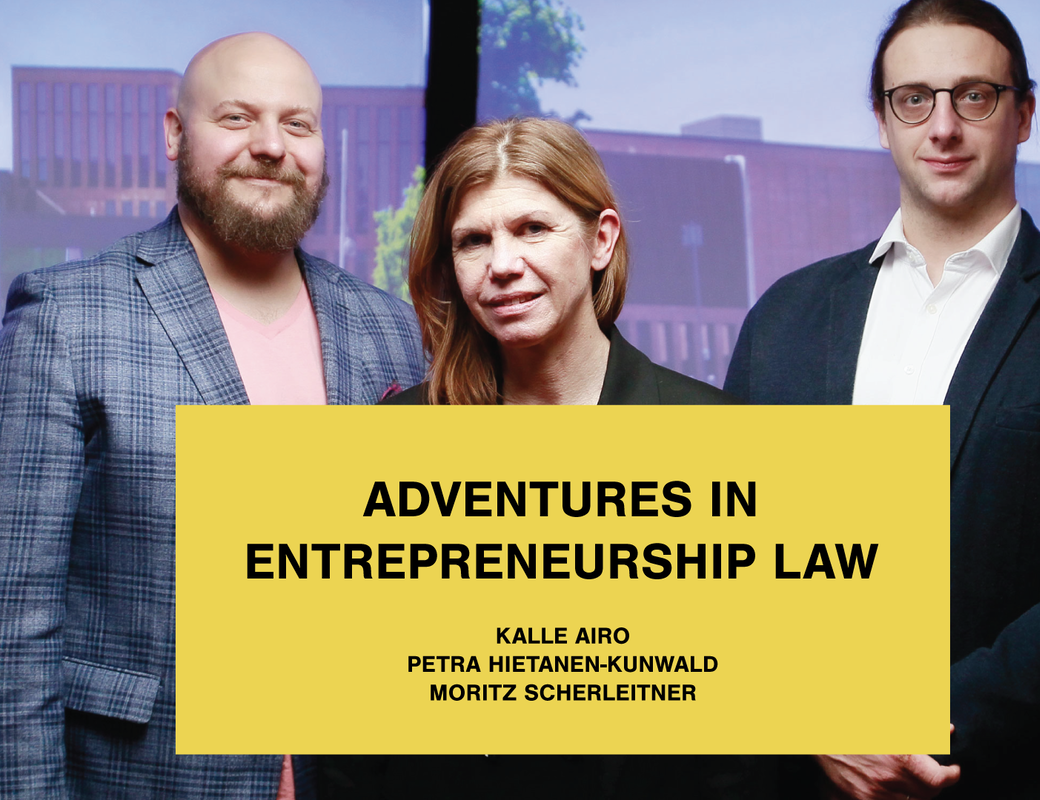

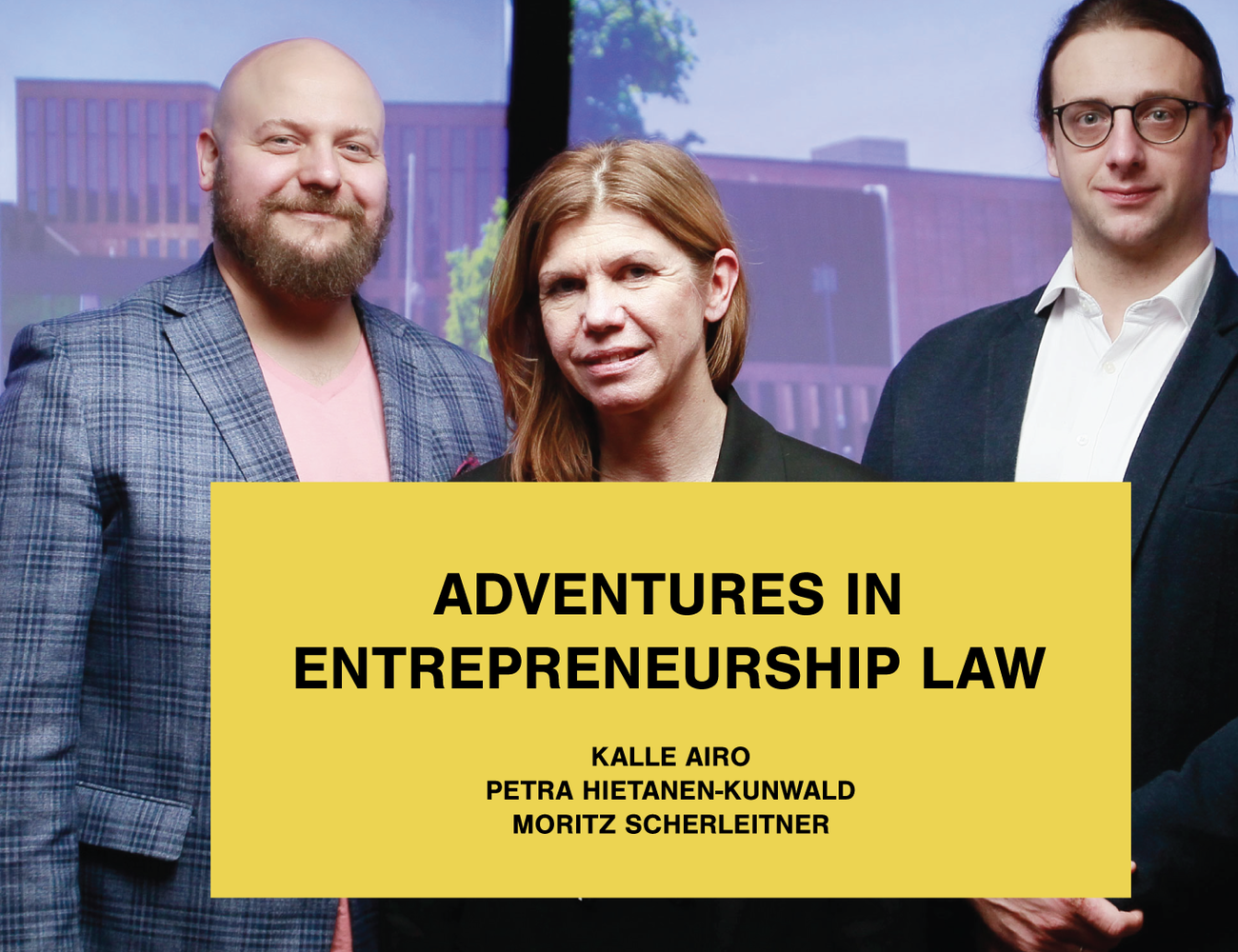
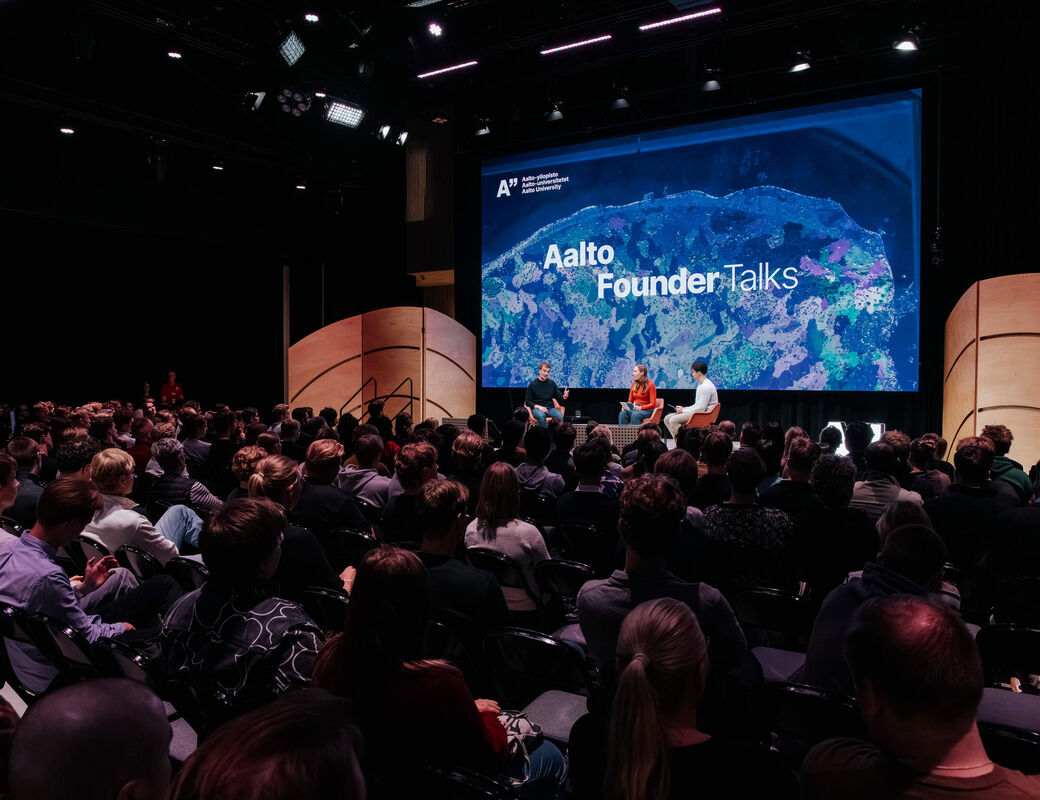
Inside the Founder Minor
From student journeys and founder stories to the latest news from Aalto Founder School, discover what’s happening across our entrepreneurship community.

Prototyping and Validation Grant: WeatherSens AI
Three Aalto founders are using off-the-shelf drones and an AI physics model to measure the weather where no station stands. First they had to learn when not to sell.
When there is no proof, the story is the evidence — a new Founder Storytelling course at Aalto University
A new course at Aalto University teaches aspiring founders how to build, adapt and deliver the story behind their venture — before the traction, revenue and track record exist.
Take your first steps as a founder — in just six weeks
A new Founder Principles course at Aalto University gives students the tools, mindset and hands-on experience to start building — with AI as a co-founder from day one.
From Management Consulting to Startup Thinking: Julia Seppä on Finding an Entrepreneurial Path
What happens when 15 years of experience lead you to ask, “What’s next?”Hot New Courses Coming in Autumn II
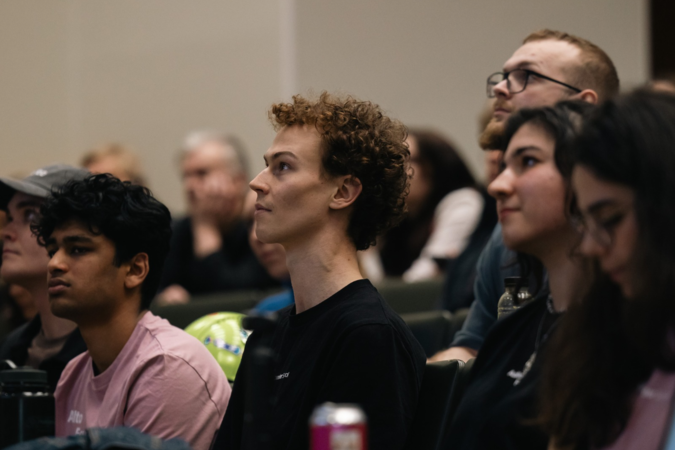
Founder Principles (MNGT-C3004)
Great companies begin with prepared founders.
In Founder Principles, you'll build the mindset and skills to launch and lead an early-stage startup through founder case studies, hands-on exercises, and practical AI applications. You'll learn to identify opportunities, validate ideas, navigate uncertainty, and make key decisions—from experienced founders and startup operators.

Founder Storytelling (MNGT-C3010)
Every venture needs a story worth backing.
In Founder Storytelling, you'll learn to communicate your vision, credibility, and purpose to investors, customers, talent, and supporters through hands-on exercises and real-world examples.You'll also hear from entrepreneurs and industry experts and develop a founder narrative you can apply to your own ideas, projects, or ventures.
Meet the Minds Behind the Minor
Hear from the founders, educators, and experts shaping the Founder Minor. Discover how they think about entrepreneurship, what they want students to learn, and what it really takes to turn ideas into action.