






Sustainable Hydrogen Valleys - H2EnergySCAPES

H2EnergySCAPES aims to develop novel methods of analysis and design to support the sustainable development of hydrogen valleys. A hydrogen valley is defined as an area encompassing the full hydrogen value chain, from wind energy and hydrogen production via electrolysis to e-fuels, biogenic CO₂ use, district heating, energy transmission, and storage.
The project provides insights into how much renewable energy and hydrogen production can be sustainably implemented in a given area, considering the ecological, social, visual, and cultural dimensions of such development. It also examines how landscape values evolve, highlighting not only potential negative impacts but also emerging positive ones.
The work builds on a recently published open-access textbook edited and co-authored by Mika Järvinen and Hanna Paulomäki together with a multidisciplinary team of experts (https://link.springer.com/book/10.1007/978-3-031-69856-9), and extends its concepts into applied, location-based analysis.
The work is carried out by researchers in engineering, natural and social sciences, and landscape architecture:
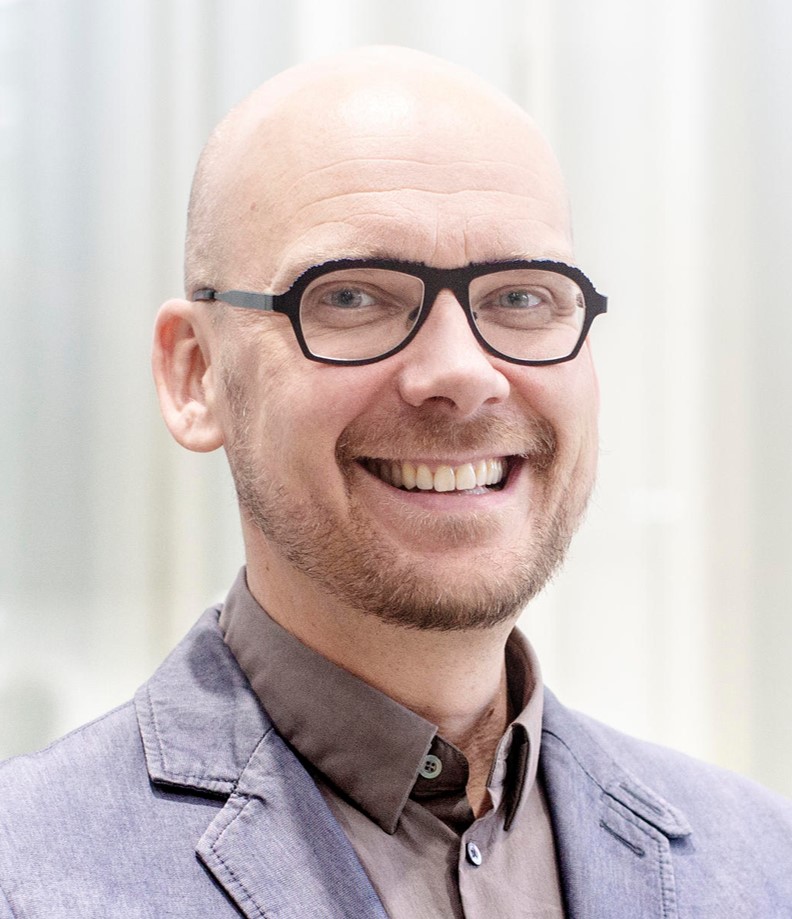

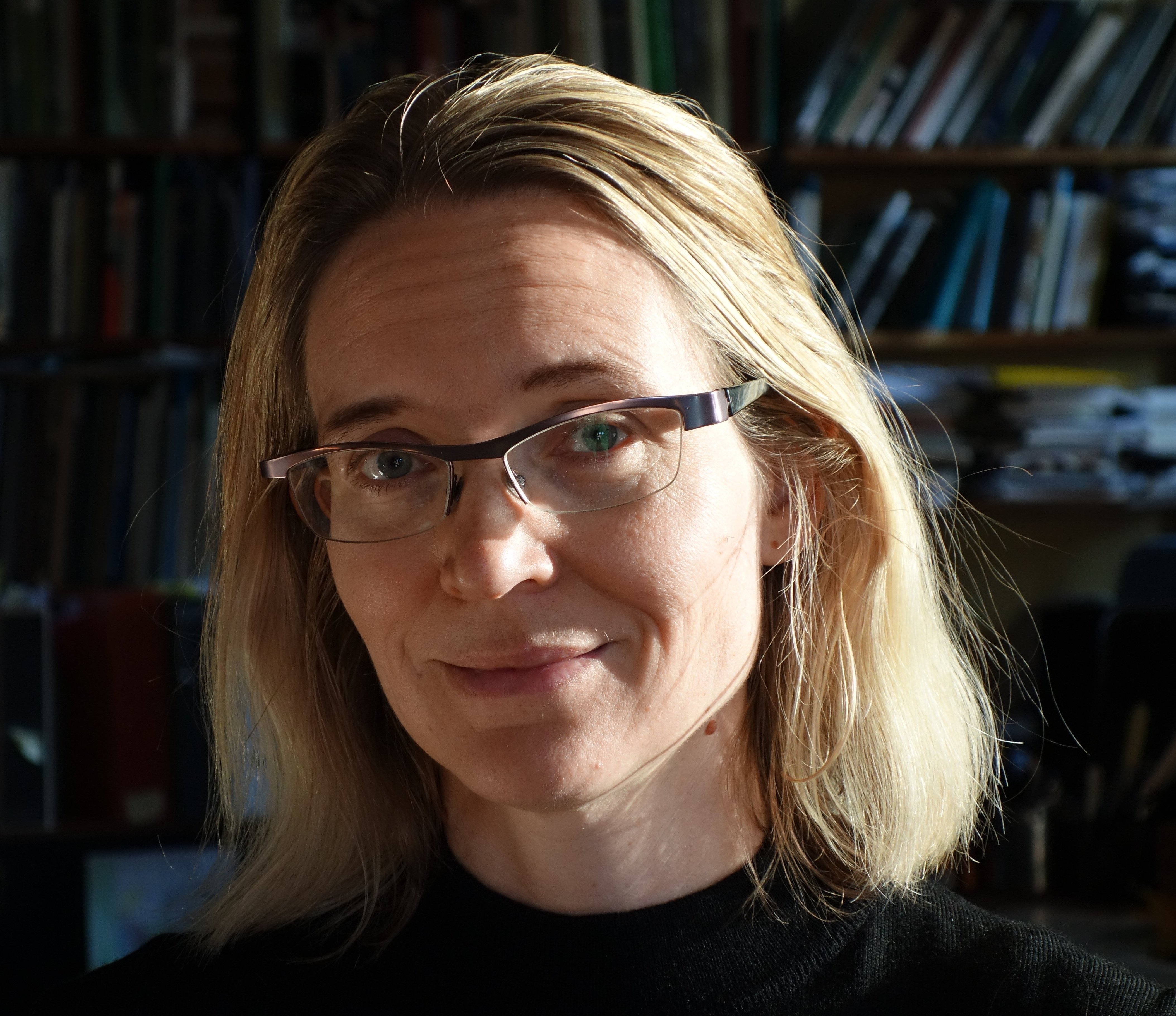
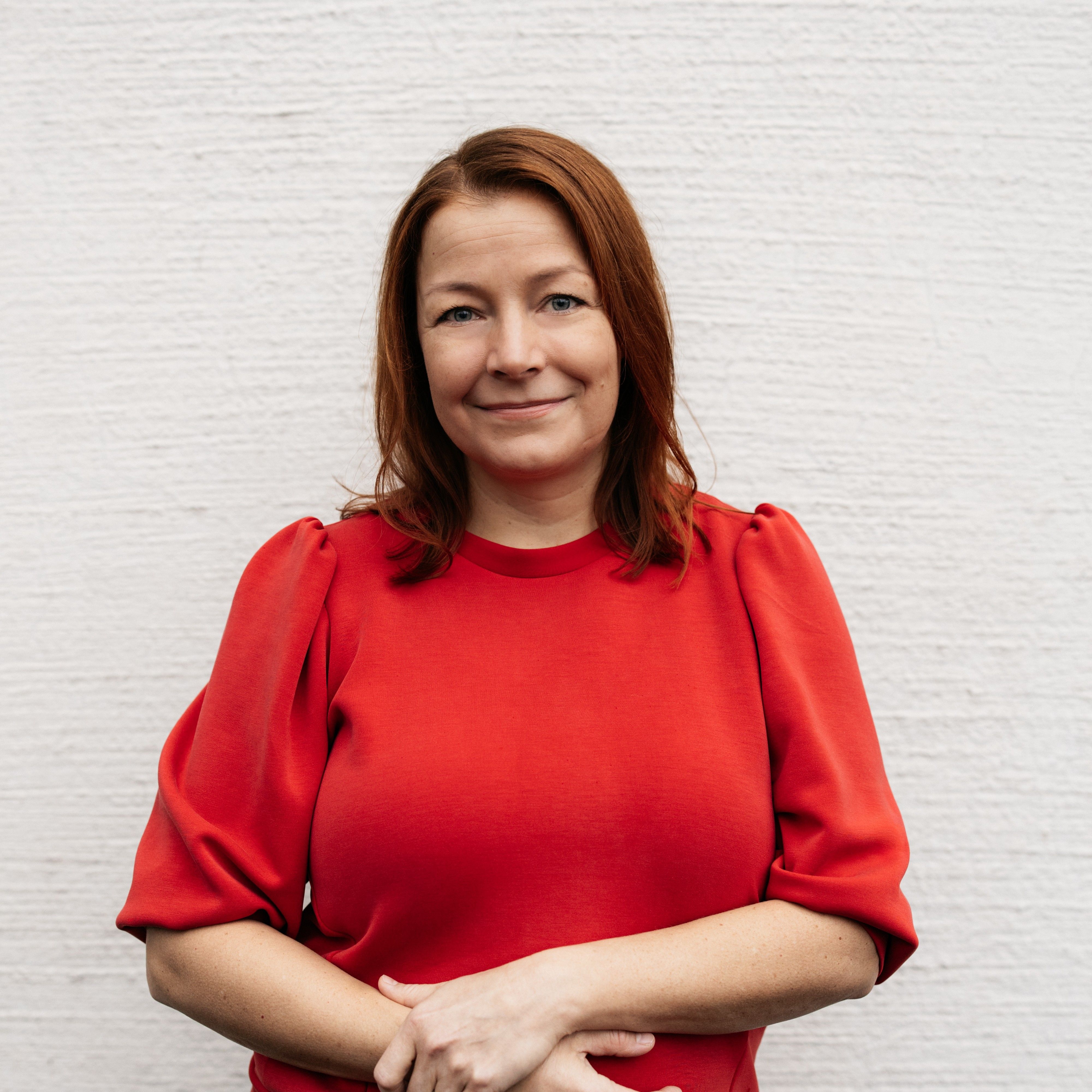

Eeva-Lotta Apajalahti

Hanna Paulomäki

Greetings from energy landscapes!
The energy landscape is the physical environment of a given area, shaped by the structures and activities of energy production, processing, transmission and distribution, storage, and consumption; it is viewed as a whole, considering the interaction of different factors as well as environmental and social impacts.
The landscape is now changing rapidly as wind and solar power plants are sited in new, often rural areas. The shift to fossil-free power and the expansion of electricity‑reliant facilities are speeding up landscape change and challenging equity as well as progress on sustainable development goals. Developing sustainable, wide-ranging energy landscapes requires holistic planning, cross-disciplinary assessment, and management of landscape impacts.
We want to hear from you!
What do you think: What are the most important challenges of our time related to the energy transition and landscape values? Could energy projects, in addition to mitigating harms, also increase community and ecological benefits? How could we address these challenges together?
Answer a short survey and, if you wish, let us know if, for example, taking part in a research project workshop or other collaboration and discussion on the topic would interest you. The survey results will be used to inform the planning of the research project’s methods and stakeholder collaboration. Take the survey here: https://link.webropol.com/s/energiamaisemat
Contact us: Doctoral researcher Sonja Semeri, sonja.semeri@aalto.fi
In Finnish / Suomeksi:
Terveisiä Energiamaisemista!
Energiamaisema on tietyn alueen fyysinen ympäristö, jota muovaavat energian tuotannon, jalostuksen, siirron ja jakelun, varastoinnin ja kulutuksen rakenteet sekä toiminnot: sitä tarkastellaan kokonaisuutena, jossa huomioidaan eri tekijöiden vuorovaikutus sekä ympäristö- ja yhteiskuntavaikutukset.
Maisema muuttuu nyt vauhdilla, kun tuuli- ja aurinkovoimalat sijoittuvat uusille, usein maaseutumaisille alueille. Tarve siirtyä fossiilittomaan sähkön tuotantoon ja uusien sähköä hyödyntävien laitosten rakentaminen kiihdyttää maiseman muutosta sekä haastaa oikeudenmukaisuutta ja kestävän kehityksen tavoitteiden saavuttamista. Kestävien, laaja-alaisten energiamaisemien kehittäminen edellyttää kokonaisvaltaista suunnittelua, monialaista arviointia ja maisemavaikutusten hallintaa.
Haluamme kuulla sinusta!
Mitä sinä ajattelet: Mitkä ovat tämän ajan tärkeimmät haasteet liittyen energiamurrokseen ja maiseman arvoihin? Olisiko mahdollista, että haittojen lieventämisen lisäksi energiahankkeissa voisi myös lisätä yhteisöllisiä ja ekologisia hyötyjä? Miten voisimme ratkoa haasteita yhdessä?
Vastaa lyhyeen kyselyyn ja halutessasi kerro, jos esim. osallistuminen tutkimushankkeen työpajaan tai muu yhteistyö ja keskustelu aiheen tiimoilta kiinnostaa. Kyselyn tuloksia hyödynnetään tutkimushankkeen menetelmien ja sidosryhmäyhteistyön suunnittelussa. Kyselyyn tästä: https://link.webropol.com/s/energiamaisemat
Ota yhteyttä: Väitöskirjatutkija Sonja Semeri, sonja.semeri@aalto.fi