






Discharge Innovations
EV battery recycling solutions

Lithium batteries used in electric vehicles are challenging to handle and recycle, posing a fire risk during transport, storage and the recycling process itself. A method developed by researchers at Aalto University allows batteries to be automatically discharged at an early stage, either before transport to the recycling plant or immediately upon arrival at the recycling plant.
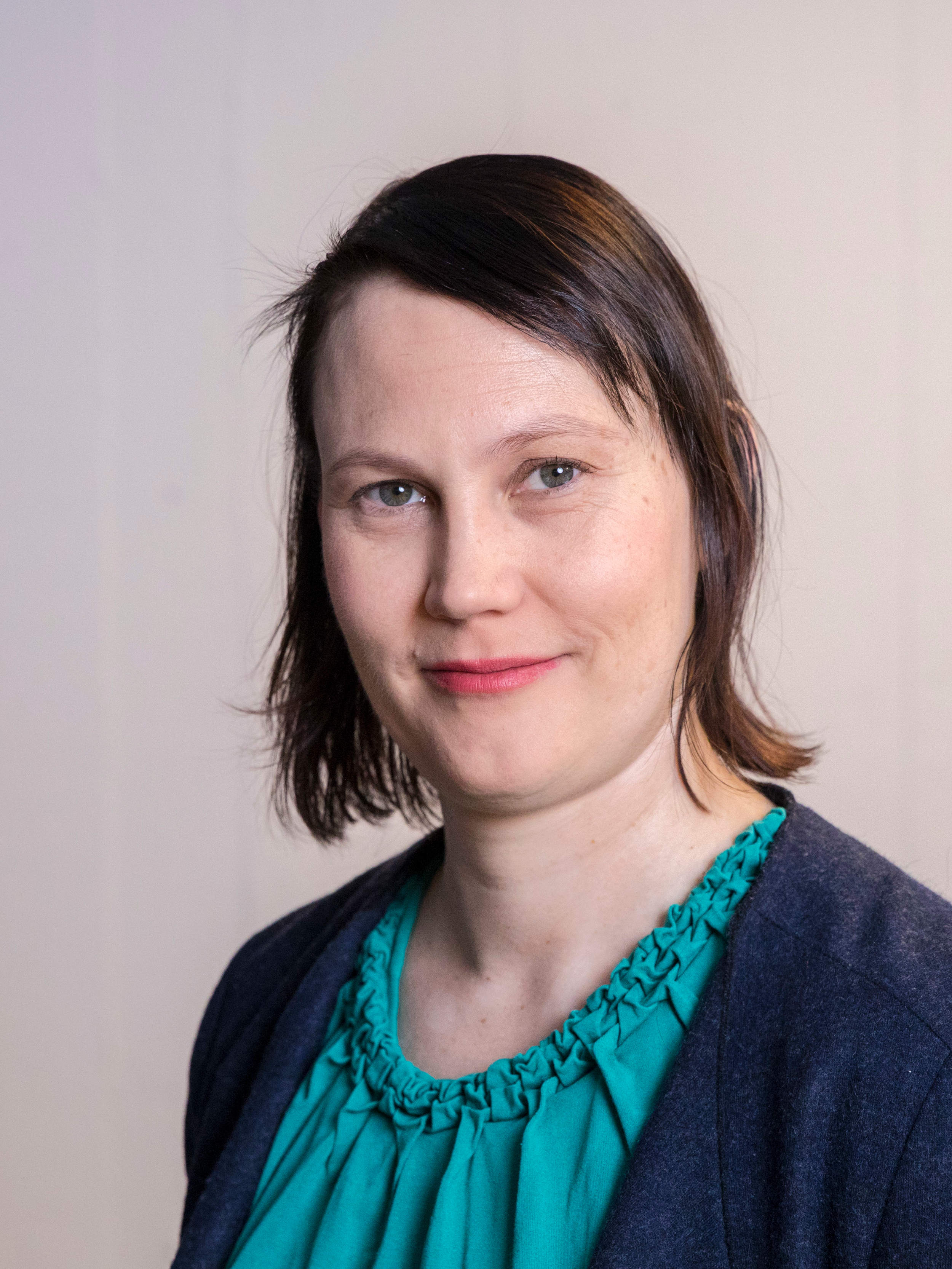
‘Our solution is based on the wireless discharge of Electric Vehicle batteries. It allows used batteries to be handled safely and efficiently,’ says Assistant Professor Annukka Santasalo-Aarnio from Aalto University.
At present, the inefficiency of the recycling processes and the environmental damages it causes pose vast challenges in a rapidly growing industry. Current recycling methods rely on high temperatures and the use of strong chemicals, with lithium recovery rates of only a few percent.
‘We developed a recycling process that uses water and air bubbles to separate the lithium from the black mass obtained from processed batteries –– without chemicals. The solution is effective and can increase the lithium recovery rate of batteries up to 72%. We are also investigating the possibility of using the method for the recovery of other active materials in the future,’ says Santasalo-Aarnio.
The breakthrough is well-timed, with tightened EU regulations around the recovery of critical raw materials such as lithium, cobalt and nickel set to be phased in from 2025.
The methods have been tested at Aalto University and patent applications filed. The team is now looking for a partner to test the solution in practice on a commercial scale. An international team has been set up around the research project to support the commercialisation of the results.
‘The recycling of used electric vehicle batteries is a fast-growing sector and needs to be improved. We are targeting global markets in areas where electric vehicles and battery recycling are already advanced and growing rapidly. In practice, this means battery recyclers and manufacturers in China, North America and Europe,’ says Juha Suojanen, Business Developer of the project at Aalto University.
Aalto University introduces 12 new world-changing innovations at Slush. One of them is Discharge Innovations, a safe and environmentally friendly way to recycle the batteries used in electric vehicles. The team will be at Aalto's stand Thursday 21st November 10–14.

EV battery recycling solutions

Donate to ensure we can produce multidisciplinary, creative ideas into real-life applications also in the future.


