






Babak defends PhD thesis on electrically heating bio-based textiles

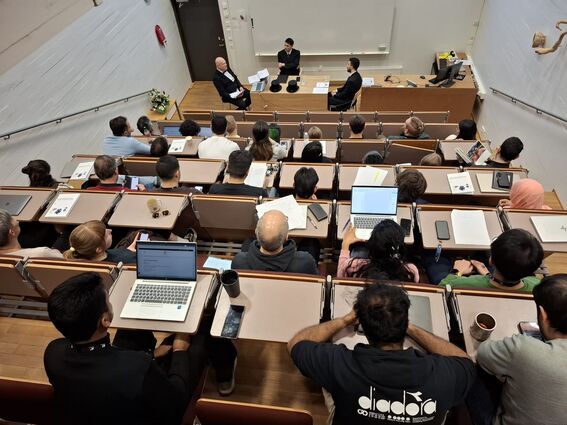
The dissertation, titled “Toward robust electrical heating bio-based textiles,” explores how fabrics can be transformed into flexible, durable heating materials using bio-based components and conductive carbon materials. The public defence was held in English as part of Aalto University’s doctoral programme in chemical engineering.
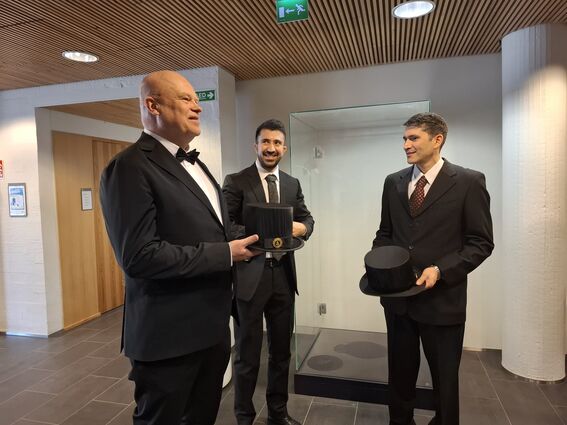
The opponent for the defence was Professor Dr. Nils-Krister Persson from the University of Borås, Sweden, while Professor Dr. Ali Tehrani from Aalto University served as custos.
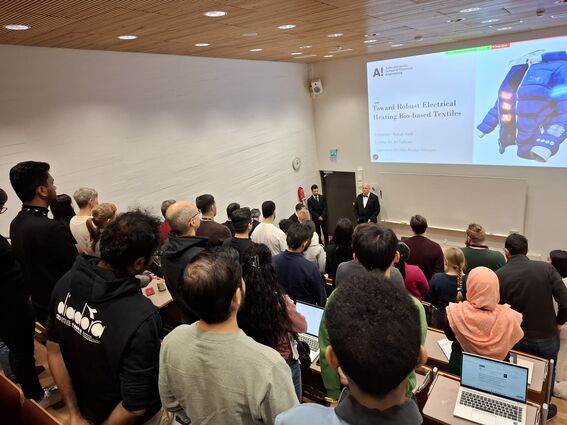
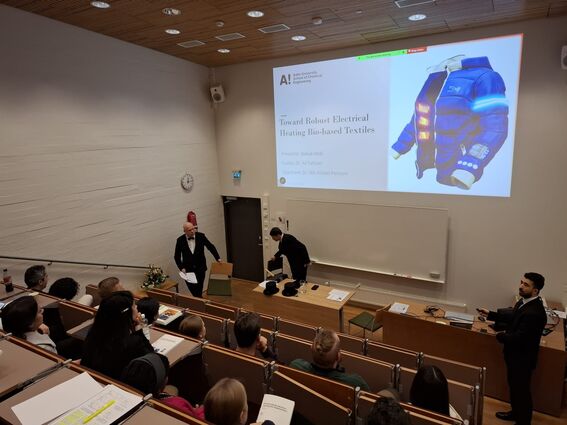

Abdi’s research addresses a growing global interest in smart textiles—materials capable of performing electronic functions while maintaining the comfort and flexibility of conventional fabrics. The thesis focuses specifically on textiles that can generate heat through electrical conductivity, opening possibilities for wearable technology, energy-efficient clothing, and functional industrial materials.
The work investigates how conductive coatings, material composition, and processing methods influence key properties such as electrical conductivity, heating efficiency, durability, and resistance to wear and washing. According to the research, current heating textiles often face trade-offs between flexibility, performance, and environmental sustainability, limiting their practical adoption.

By studying carbon-based nanomaterials and more sustainable binder systems, the thesis demonstrates how conventional fabrics can be converted into electrically active surfaces capable of stable and controllable heat generation.
The doctoral research contributes to the expanding field of functional and sustainable materials, particularly within bio-based textile innovation. Experimental findings provide a systematic understanding of how coating design and material selection affect long-term textile performance, offering guidance for future industrial applications and smart clothing technologies.

The study builds on several peer-reviewed publications examining conductive textile coatings, graphene-based materials, and heating performance durability, highlighting interdisciplinary collaboration between materials science, textile chemistry, and sustainable engineering.
Abdi’s successful defence marks a step forward in research aimed at combining sustainability with advanced textile functionality—an area expected to play an increasing role in wearable technology and energy-efficient solutions.


Read more news

Invited Talk: Swedish Expert Explores the Future of E-Textiles
The Textile Chemistry Group of the Department of Bioproducts and Biosystems organized an invited talk on March 26.
Finnish wood-based innovations on display in London
The exhibition showcases Finnish bioeconomy solutions for both industry and everyday consumer life. Origami-based FOLD materials offer more sustainable solutions not only for packaging but also for many other applications.
Aalto University’s art & design ranked 9th in the world
Five of Aalto’s fields placed in the top 100 in the prestigious QS ranking