Events

Laboratory of Hope exhibition

In this exhibition, people from across Aalto University share what hope means to them and how they are helping to build a more hopeful society — through, for example, inclusive fashion and entrepreneurship, artificial intelligence, and new quantum materials.

Immerse yourself in stories and videos online or in our campus’s stunning Marsio building!

The exhibition is open from 5 February to 27 March.
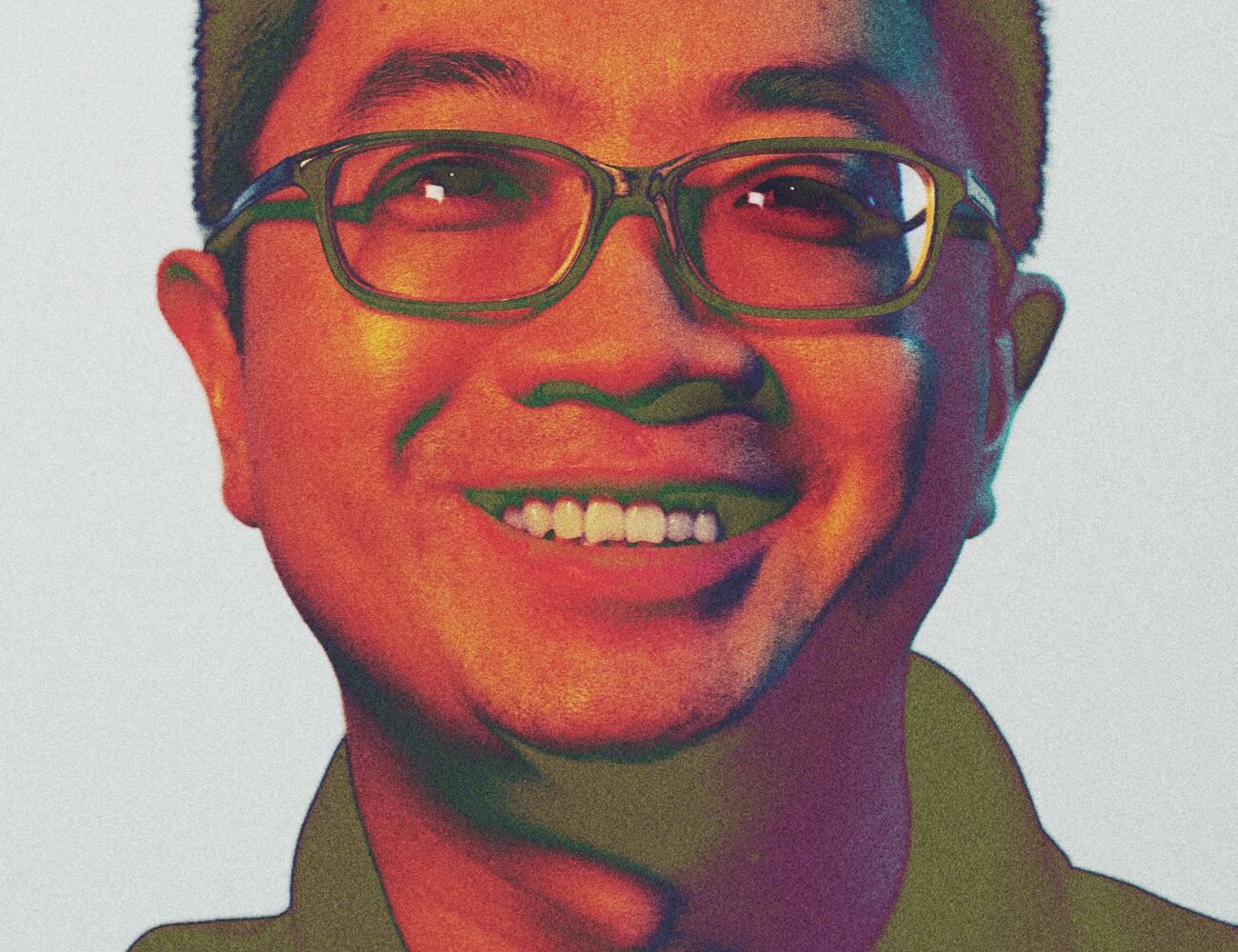
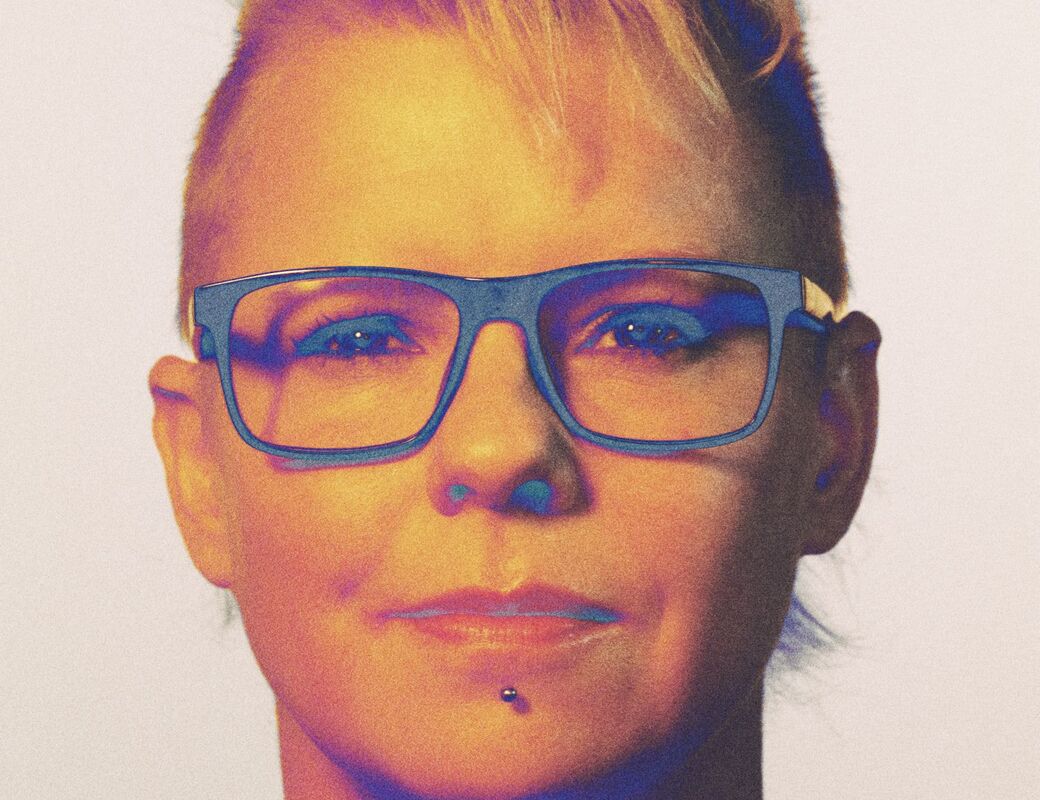
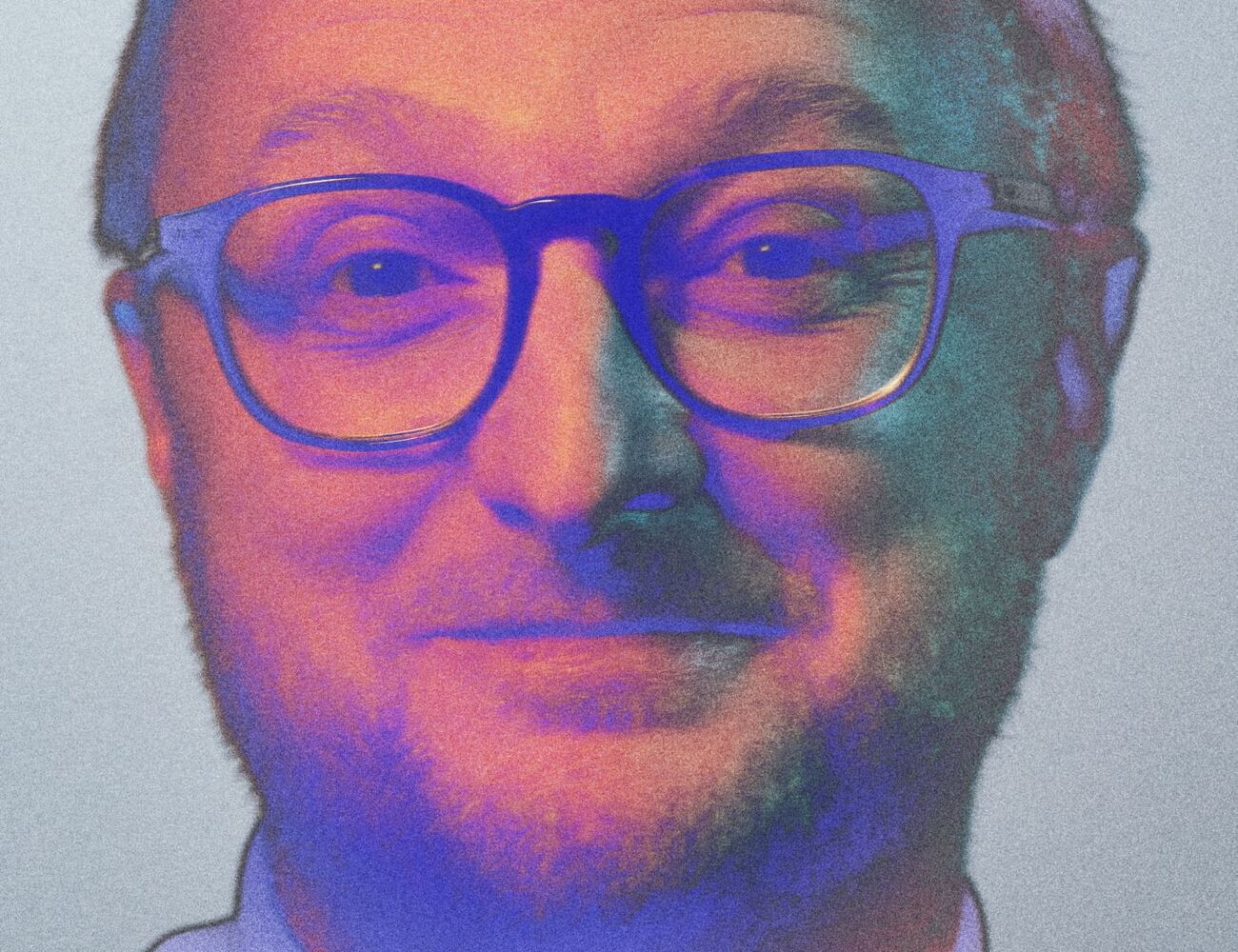
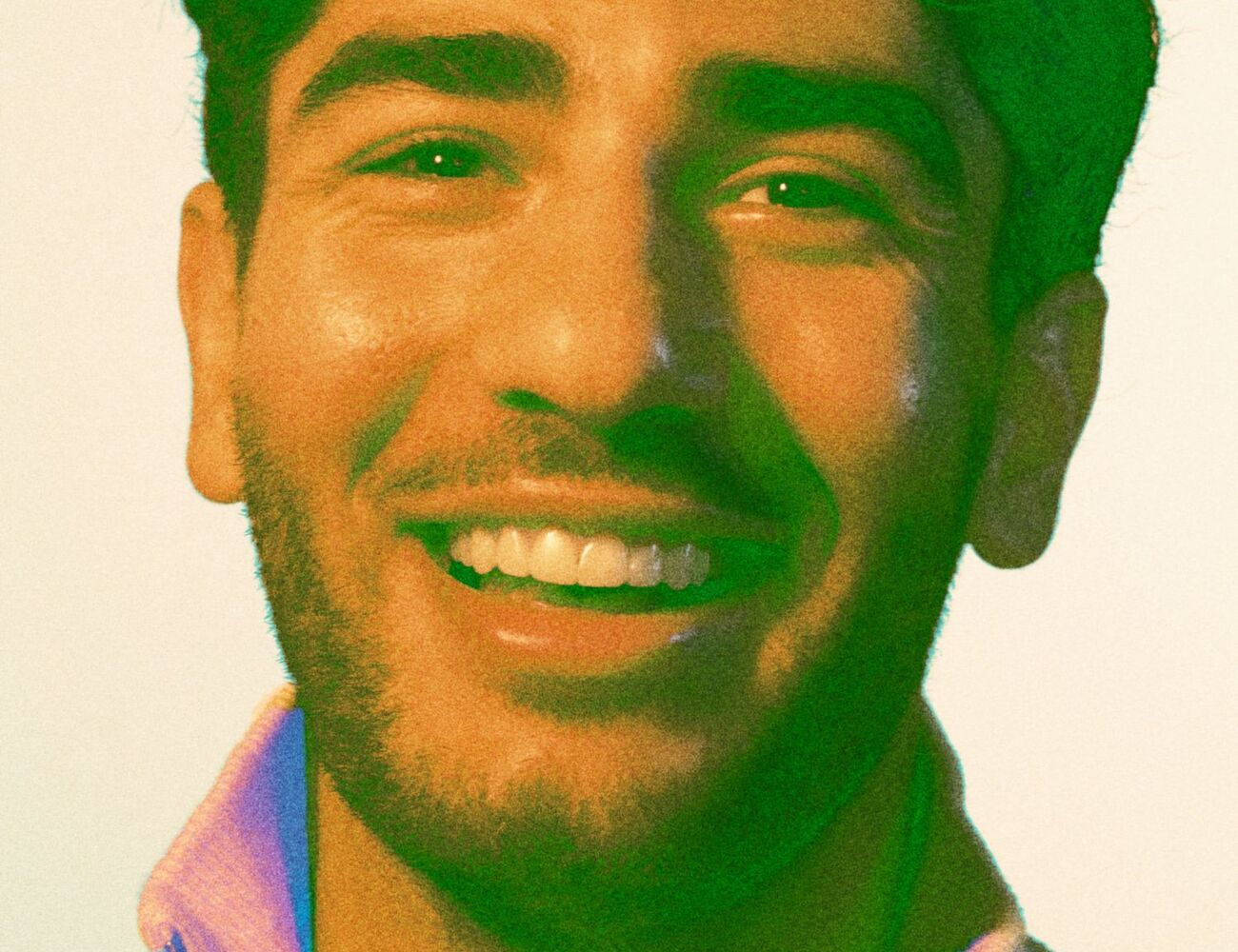
Nine blurred faces on the left, text 'LABORATORY of HOPE' on a red background to the right.

True hope is not empty optimism, but action and commitment, said the world-renowned chimpanzee researcher and UN Messenger of Peace Jane Goodall (1934–2025). 

Aalto is home to people dedicated to building a better world — and that is why it is full of hope. It is like one vast laboratory where people from across Aalto envision and test future inventions, ideas, and solutions. Hope at Aalto makes entrepreneurship and fashion more accessible, enables groundbreaking quantum computers, harnesses artificial intelligence to improve healthcare, and much, much more. 

Hope also creates a self-reinforcing cycle of good: hope helps us get started, and action, in turn, generates more hope. Welcome to The Laboratory of Hope exhibition —come and discover your own spark of hope. 


The exhibition is open from 5 February to 27 March.

Otakaari 2, 02150 Espoo

Mon–Thu 8.00–21.00 
Fri 8.00–20.00 
Sat–Sun closed

Register to the free guided exhibition tours here.

Joint efforts make the impossible possible

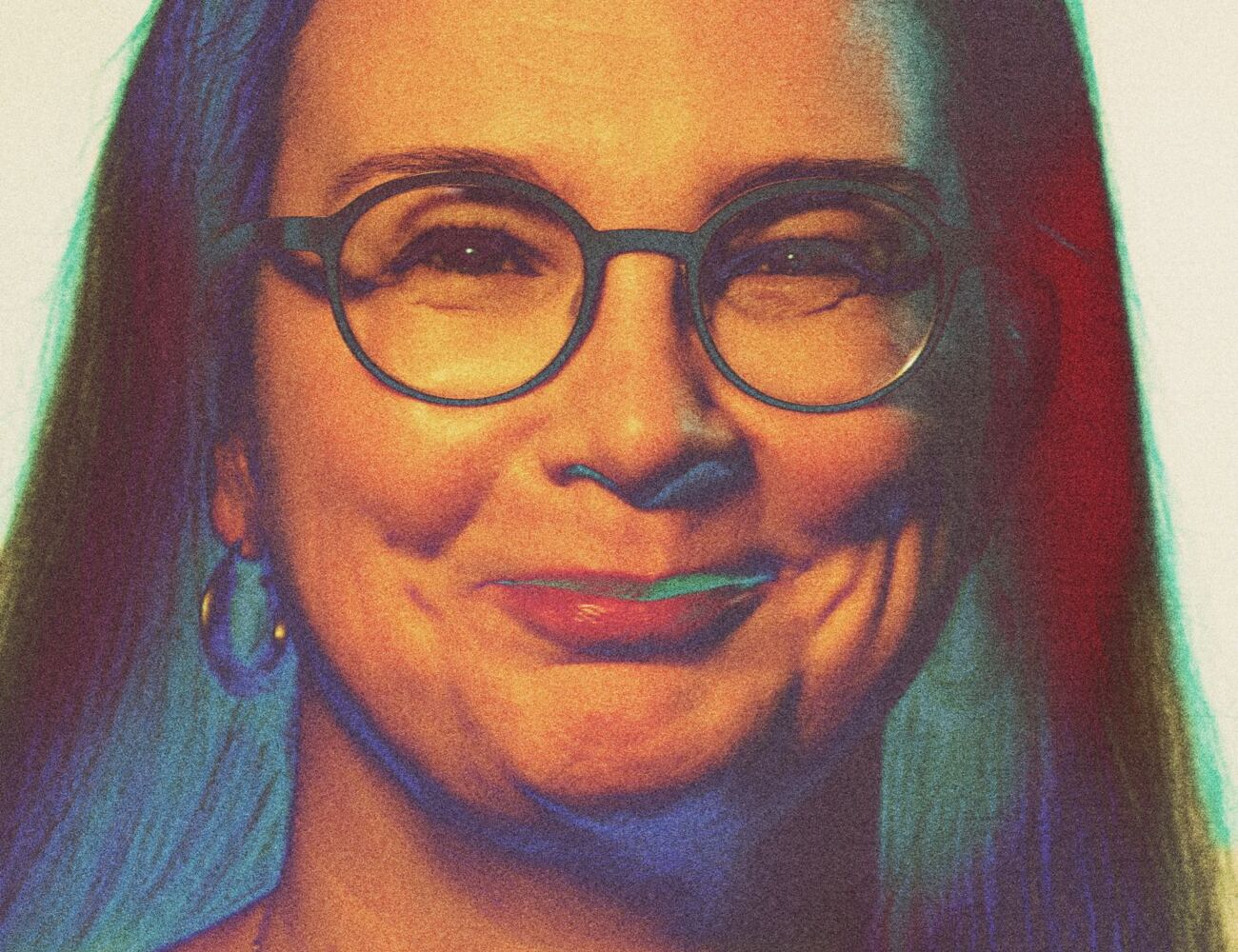
    A person with long dark hair, wearing a green top and a necklace with a pendant.

    ‘I study cities, and especially their unexpected changes. I am interested in self-organisation in complex systems: how the decisions and actions of different actors accumulate in ways that produce something large and unforeseen at the scale of the city. 

    Surprises can be negative or positive. Negative surprises include, for example, increased congestion on a ring road after a new lane is added, or outmigration from a city when residents forced to leave their homes due to cuts in social security are unable to find more affordable housing elsewhere. A positive surprise might be the unplanned emergence of a lively hub of businesses and leisure activities in a former industrial area. 

    Thanks to data, simulations, and artificial intelligence, we now have far better opportunities to understand and anticipate surprises — and to provide tools for avoiding negative ones and encouraging positive ones. For example, traffic-related surprises could be anticipated before a new road is built. 

    Finding a positive outlook in today’s world is not easy. I am, perhaps because of my Karelian roots, an eternal optimist. I also believe that each of us should have something we are willing to fight for. For me, that is freedom — freedom of expression, freedom of thought, and freedom in academic work. I draw strength from seeing people of integrity act in accordance with their values. 

    I hope that young people around the world have the drive to move away from today’s emphasis on harshness and efficiency, toward moderation, for the sake of people and the planet. And I hope that in 20 years, cities will function as sources of wellbeing — fairly, for everyone. That is the kind of city I want to live in.’ 

    A person with long, wavy red hair against a light blue background.

    Assistant Professor Jose Lado, Aalto University

    ‘Together with my research group, I design new materials that exhibit quantum properties at macroscopic scales — especially those that do not occur in nature but whose existence is not forbidden by the laws of physics. One such quantum property is, for example, where electrons behave as if they were one third or one fourth of an electron. 

    The question of what could exist, even though it currently does not, is scientifically incredibly fascinating. In a way, it is a continuous challenge to push and redefine the boundaries of what is possible. 

    New quantum materials are also needed for practical applications. One of the most revolutionary would be the construction of a so-called topological quantum computer. Most current quantum computers operate with conventional qubits, which are sensitive to errors. A topological qubit would function without errors — as would the quantum computers built from them. 

    Otaniemi, and Finland as a whole, has an exceptionally strong quantum ecosystem: excellent infrastructure and researchers from different quantum fields who collaborate closely. I believe that in 20 years we will be able to build programmable, complex chips whose elements can be externally tuned, for example, between semiconducting, superconducting, and magnetic states. Such chips could ultimately enable a topological quantum computer. Throughout my career, I have seen how ideas that seemed impossible five years earlier have become reality through collective effort, and that gives me hope.’ 

    Research group homepage

    Young people’s potential inspires hope

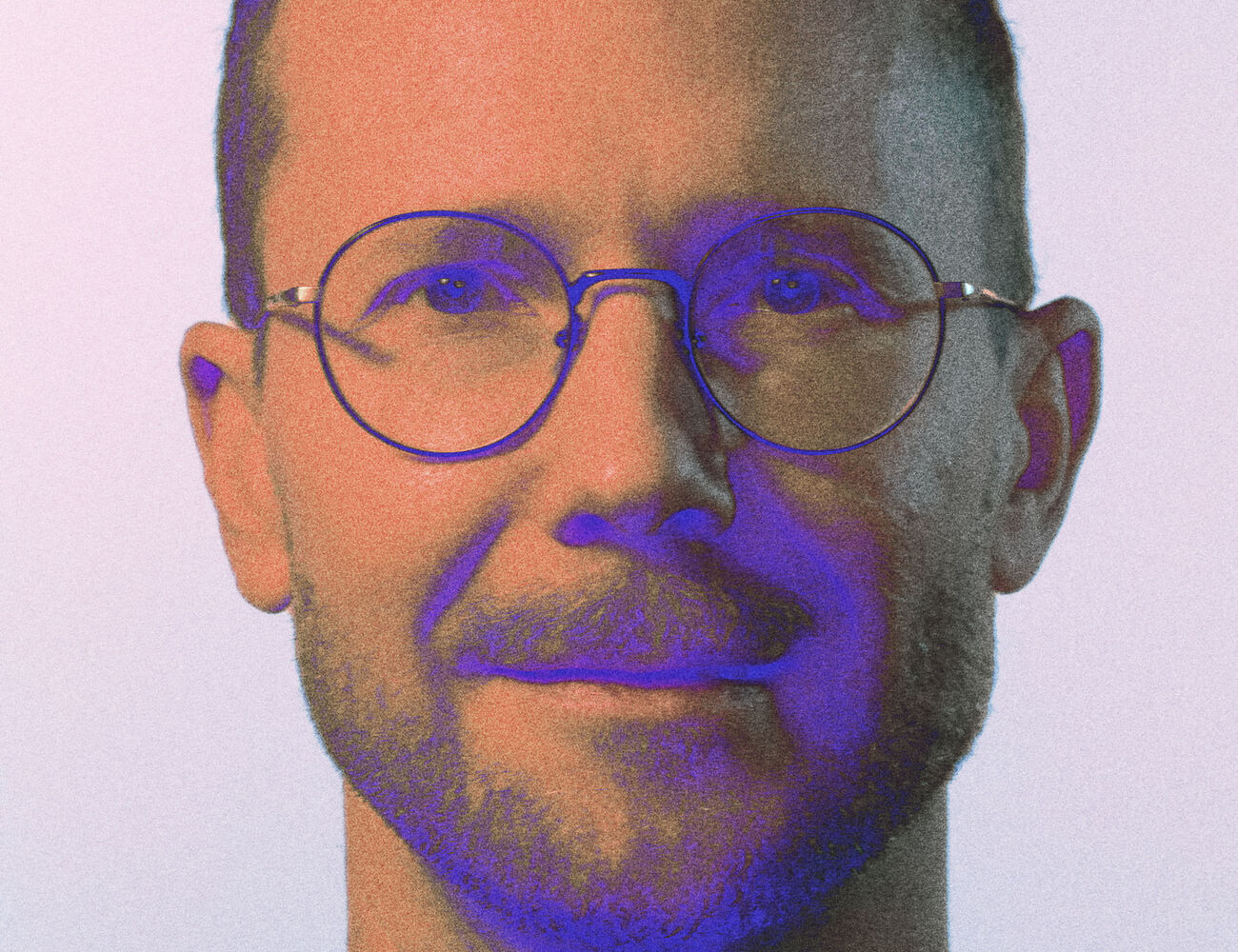
      A person with short curly hair wearing a purple shirt. The background is light grey.

      Professor Heikki Nieminen, Aalto University & Biodesign Finland 

      ‘My field of research focuses on innovations in medical physics and engineering. Since 2017, I have also led Biodesign Finland, a need-driven health technology education and innovation program founded by Aalto University, HUS Helsinki University Hospital, and the University of Helsinki. 

      In the program, researchers observe hospital work for several weeks, identify emerging needs, and design tailored solutions in response. For further development, we select solutions that address a clear medical need with global relevance — and that are feasible to implement. 

      Over the past decade, the program has raised €28 million in funding and has so far given rise to seven companies. The solutions developed range from measuring oxygen deficiency in the heart to smart induction of labour, prevention of dental diseases, and early diagnostics of hearing loss. 

      Hope plays an important role in my work. After all, the purpose of health technology is to support recovery from illness and to ease suffering. Looking ahead, we also want to make health technology more environmentally friendly. Climate change is a major health risk, and it is essential that the solutions we develop do not further accelerate it. 

      I believe that in 20 years, a many severe diseases could be preventable, and cancer treatment will have advanced dramatically, thanks in part to immunotherapy. The potential of young people, and their desire to make the world a better place, also give me hope. Protecting the future of our own children and generations to come is one of the most important tasks of our time.’ 

      Biodesign Finland

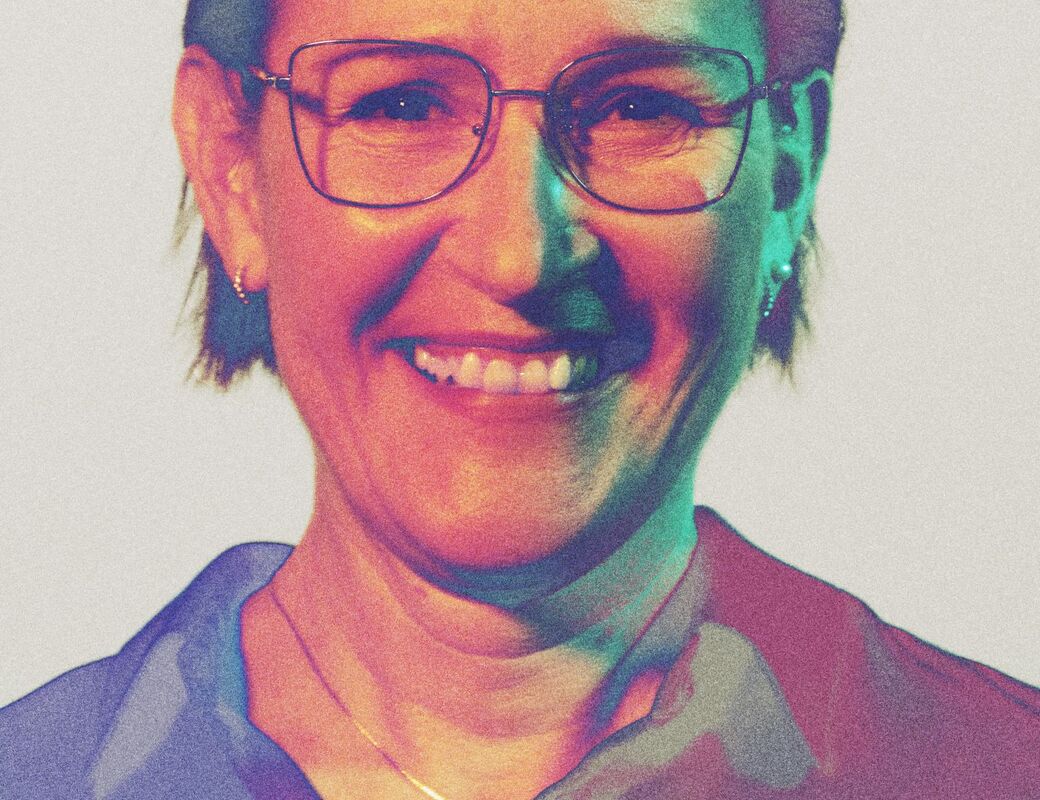
      A person with short hair wearing a collared shirt and a necklace with a small pendant.

      Professor Monika Österberg, Aalto University

      ‘I study with my research group how lignin found in wood and other plants can be utilized in the forest industry of the future. 

      Alongside pulp, cardboard, and sawn timber, we need new high value-added products, because a sustainable forest industry must achieve the same value with smaller harvest volumes. Only in this way can we safeguard forests’ carbon sinks and natural values for future generations. 

      Lignin makes up about a quarter of the weight of wood, and currently most of it is burned for energy. Yet lignin has many excellent properties: it repels water and protects against microbes, UV radiation, and oxidation. Valuable applications can be found, for example, in adhesives and coatings. Lignin can also be used to produce hard carbon, an important material for sodium-ion batteries. 

      I hope that in 20 years wood will no longer be burned, but instead all its components will be used wisely, including in new applications such as electronics and diagnostics. In addition to economic benefits, products derived from forests enhance the security of supply and self-sufficiency of Finland and Europe, in terms of both energy and materials. 

      Science gives me hope – thanks to it, we are constantly learning more about the potential of wood. Young researchers also inspire hope. They are so wise and energetic that they will surely find ways to save the world.’

      Research group homepage

      There are many ways of hoping

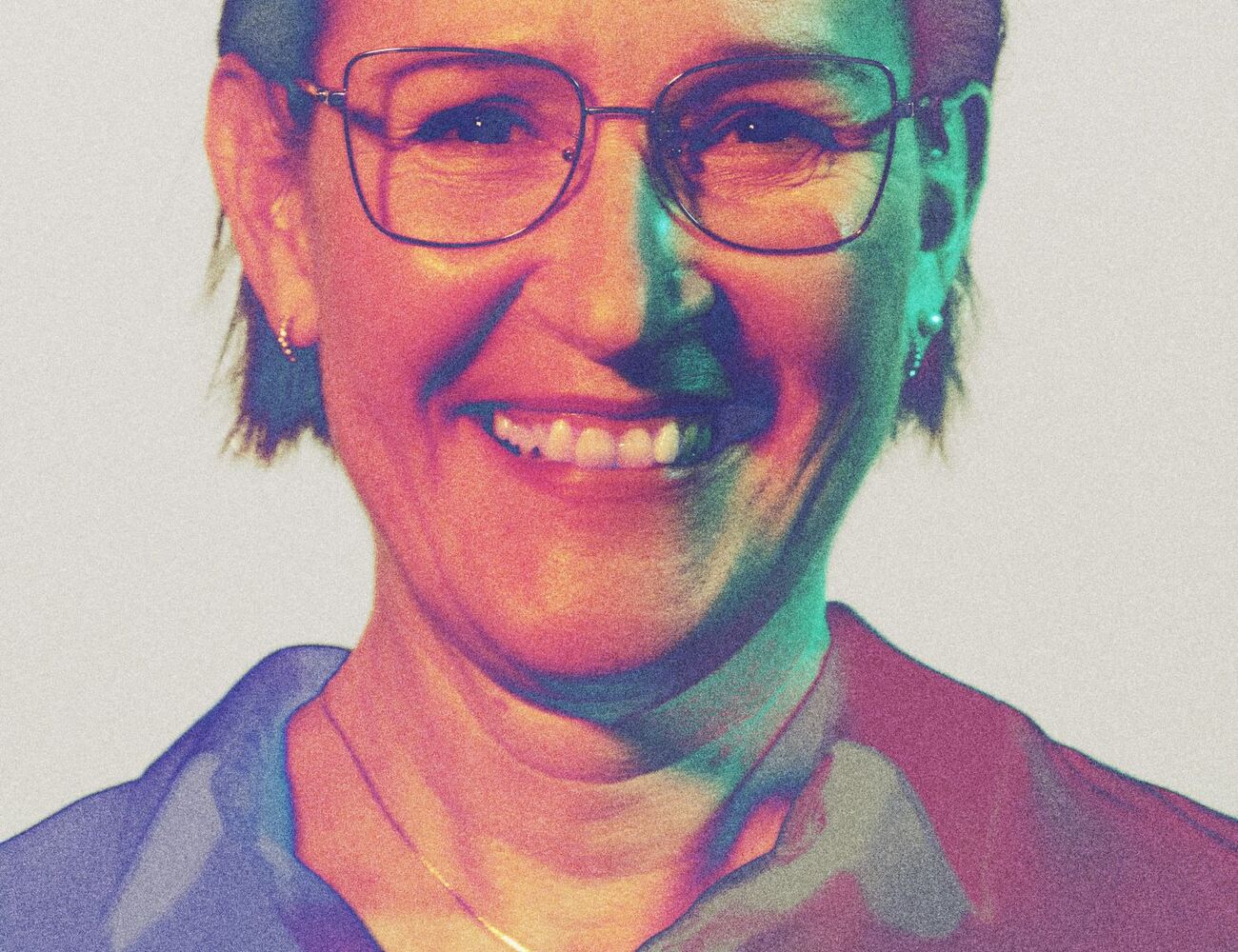
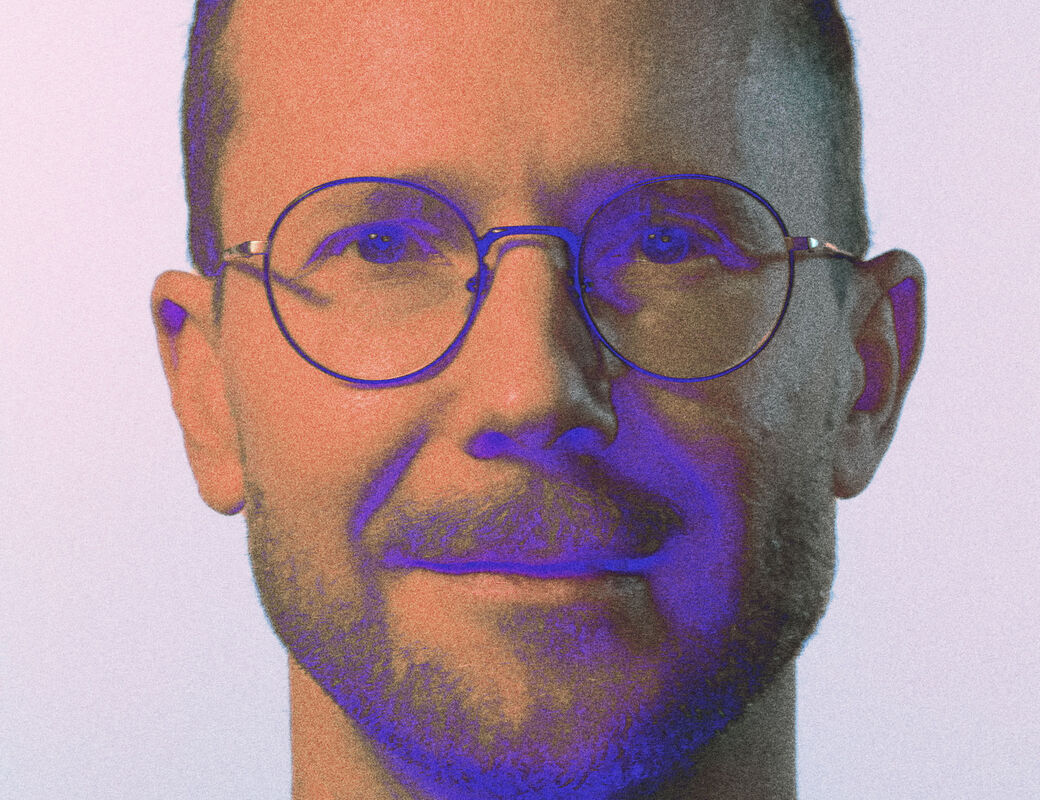
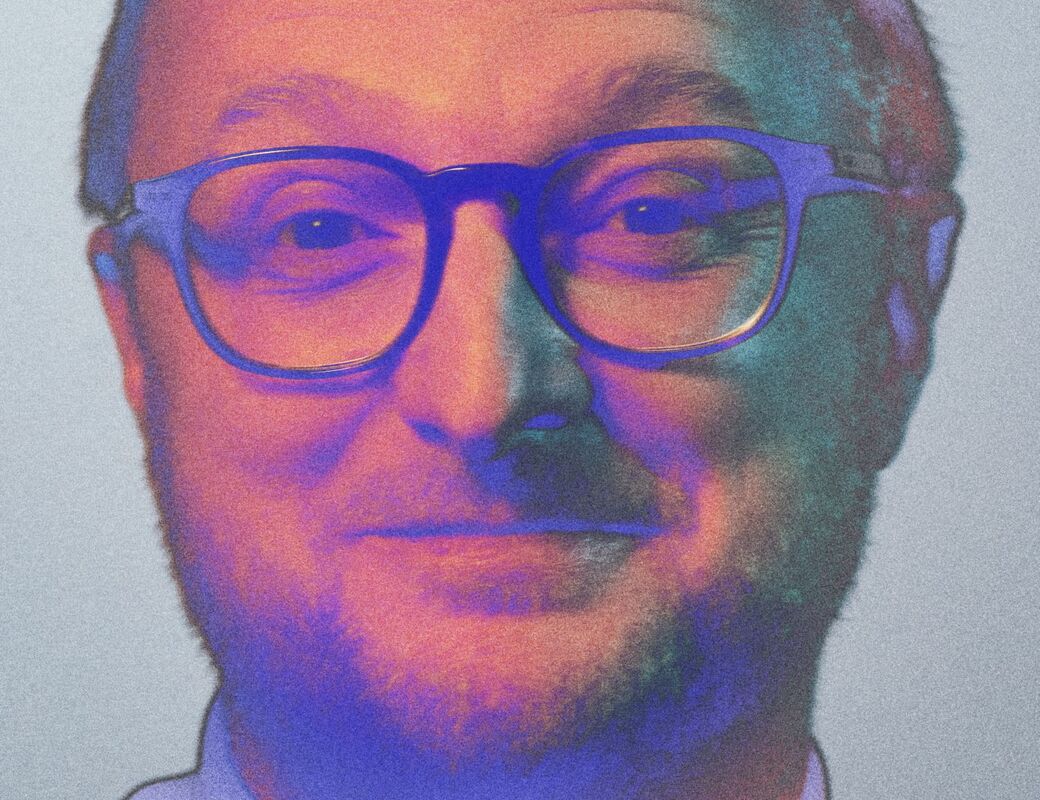
        Person with short, styled hair wearing glasses and a blue shirt.

        Academy Research Fellow Johanna Ahola-Launonen, Aalto University 

        ‘In the SUSTHOPE research project, I examine technological hopefulness and the expectations, values, and beliefs attached to it. I am interested in how these shape what is imagined as possible or desirable in the sustainability transition. I work at the Department of Management Studies, where I lead a multidisciplinary research group. 

        Hopefulness is often understood as something inherently positive. When this happens, its more problematic dimensions remain unseen. Hope can be thought of as a double-edged sword: it can connect us and carry us forward, but it can also narrow our thinking, encourage the avoidance of responsibility, and obscure power relations. At its worst, hope becomes a pacifying form of power. 

        Techno-optimism is pervasive. We place great faith in existing ways of acting and solving problems, believing that new technologies will emerge to resolve the sustainability crisis. Yet no technological innovation has succeeded in reducing overall energy and material flows at a systemic level. While technologies may increase efficiency, greater efficiency — or “greening” — often leads to increased consumption. Technological solutions alone are insufficient to address ecological and social crises without changes in how we consume. 

        When speaking of hope, it is important to recognise that there are many ways of hoping. Waiting passively for a technology that will make everything sustainable is one form of hope — but it is a deeply passive one. There could also be another kind of hope: an activating hope that encourages ways of living that do not exploit our own, or others’, natural resources.’ 

        SUSTHOPE Research Project

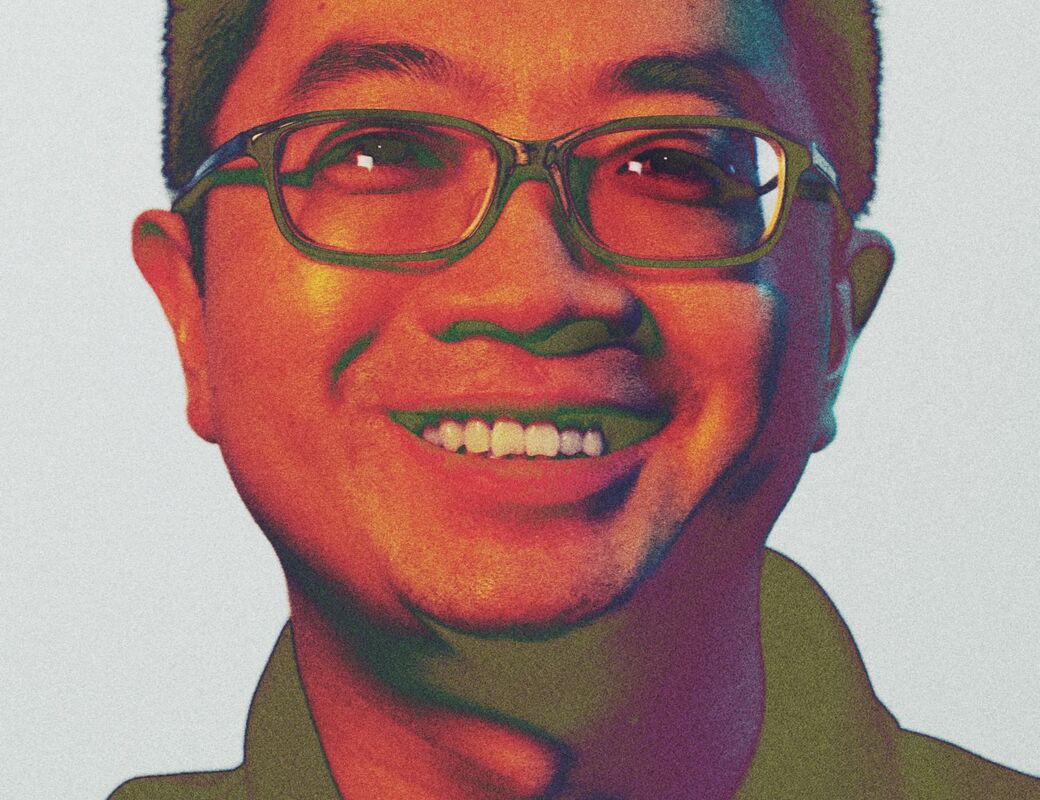
        A person wearing a collared shirt with buttons. The background is light grey.

        Assistant Professor Jiancheng Yang, Aalto University & ELLIS Institute Finland 

        ‘I am researching AI for healthcare. We develop models and tools for professionals in the field that help them make faster and more accurate diagnoses and care for patients even better. 

        Our AI models have already been tested, for example, in early-stage lung cancer screening. In traditional screening, a doctor reviews the computed tomography scan for any changes — a task that can take even an experienced professional about five minutes to complete. The AI processes the images in seconds and reports its findings to the doctor, significantly speeding up the process. This improves the accessibility of screenings and saves lives, as the prognosis of lung cancer detected before symptoms appear is considerably better than when it is found only after symptoms have developed. AI can also create the complex 3D model needed for planning lung surgeries in a fraction of the time a human would require. 

        AI is developing at such a tremendous pace that predicting even a year ahead is difficult. I hope that in 20 years, thanks to it, we will have "digital twins”, or “world models”, of patients and human bodies, allowing us to practise surgeries, test drug treatments, and develop new medicines. I also hope that we will have trained a new generation of researchers and entrepreneurs for the field. 

        The greatest source of hope in my life is the people close to me. When I watch my two-year-old daughter grow and develop, it is magical. The way a human child learns is truly unique.’ 

        ELLIS Institute Finland

        Entrepreneurship and hope are strongly connected

          A person with short hair wearing a white shirt against a grey background.

          Professor Ewald Kibler, Aalto University 

          ‘I study entrepreneurship from many different angles: what entrepreneurship is and what it can contribute to society. Important themes include the creation and growth of new businesses, the well-being of entrepreneurs, sustainable and humanitarian entrepreneurship, and inclusive entrepreneurship. 

          My research has shown, among other things, that older entrepreneurs are exceptionally innovative, and that becoming an entrepreneur is the career move that most improves quality of life later in life. Entrepreneurs also suffer less from burnout than employees, as autonomy and the opportunity to pursue one’s own dreams enhance endurance and well-being. These are encouraging findings amid the transformations of working life and an aging population. 

          Entrepreneurship and hope are strongly connected: an entrepreneur must first imagine the world they want and then find the means to achieve it. I hope that in 20 years, entrepreneurship will be recognised as an important force for societal and economic change — one that belongs to everyone. Successful technology start-ups naturally receive a great deal of media attention, but they represent only about one percent of all companies. At the local level, small businesses and solo entrepreneurs play a tremendous role in building the economy, jobs, and well-being. 

          I draw hope from the people I work with and from encounters and collaboration with entrepreneurs of different ages. I believe in the goodness of entrepreneurs and in their desire to use their influence to promote the common good.’ 

          Entrepreneurship Unit at Aalto University

          A person wearing a light-coloured zip-up jumper. The background is plain.

          Doctoral Researcher Ali Salloum, Aalto University 

           ‘My area of research is political polarisation, particularly its mathematical modelling and the use of artificial intelligence to help us understand the phenomenon. Many people have asked me, somewhat bemused, how an engineer ends up studying political polarisation at Aalto University. Yet we live in an extremely networked world in which every individual and every group constantly leave digital footprints. These quickly accumulate into vast quantities of data and examining them requires expertise in information technology. To draw out statistically significant insights, one must apply mathematical models. 

          Polarisation can take place between two or more groups which, in the worst case, can no longer tolerate one another. Research shows that in such situations the groups may see each other in highly stereotypical and threatening ways. 

          Polarisation can also be asymmetric, where either of the divided block seeks to deprive the other of its rights. Over the four-year period examined by our research group, antagonism has grown markedly in Finland. 

          I consider it a privilege to study an issue of such societal importance and to communicate its related phenomena in an accessible way. Knowledge enhances understanding, and a subject as complex as polarisation may feel less daunting once it can be grasped more clearly. That gives me hope. I am also fortunate to be researching a topic that attracts interest from ordinary citizens, experts, the state, a wide range of stakeholders, and the media. 

          I occasionally visit sixth forms to speak about the process of conducting research. The younger generations I meet are switched-on, curious, and ask the right questions. It gives me hope to see that this world has no shortage of people who are both critical and inquisitive.’ 

          Person in a dark hoodie and cap using DJ equipment with bright lights in the background.

          Niko Tiainen is an internationally celebrated Aalto University alum who created the "Laboratory of Hope" exhibition light and sound installation. He is a multidisciplinary media artist specialized in spatially-driven, interactive video, sound, and light installations. 

          Between 2017 and 2026, Tiainen has participated in over a hundred events in 32 countries, including the Ars Electronica festival (Linz, 2020), Light Box New York gallery (New York, 2020), Neo Shibuya Gallery (Tokyo, 2021), and Theater of Digital Art (Dubai, 2022). In 2025, his interactive work "IRIDESCENCE" won the "Best in Show" award among 150 international artists at the Digital Graffiti festival in Florida. 

          Makers of the exhibition 

          Artistic lead and project management: Outi Turpeinen 
          Concept: Minna Hölttä, Tiina Toivola, Sanna-Katri Rautava & Outi Turpeinen 
          Production: Reetta Lindberg, Sini Myllykangas, Laura Törnroos & Outi Turpeinen 
          Texts: Minna Hölttä, Tiiu Suomalainen & Outi Turpeinen 
          Communications: Minna Hölttä & Tiina Toivola
          Marketing: Eivor Biese, Tiina Toivola & Etel Niemelä 
          Social media: Enni Grundström & Eevi Laine 
          Light and sound design: Niko Tiainen 
          Visual identity and graphic design: Adam Tickle, Marianne Lenoir &  Nanako Ueda 
          Graphic design production: Emilia Lonka & Heli Laukko 
          Exhibition design: Emilia Lonka, Adam Tickle & Outi Turpeinen 
          Exhibition building: Laura Törnroos, Ville Manninen, Hitomi Asaka, Jule Timm, Elisabeth Bureau
          Images & video: Duotone 

          A warm thank you for co-operation:  

          Thank you for the scaffolding execution: Kataja Event
          Thank you for borrowing the artworks: The Saastamoinen Foundation Art Collection & EMMA - Espoo Museum of Modern Art
          The artworks presented at the Laboratory of Hope:

          Ari Pelkonen, In a Bright Landscape, 2023. 
          Ismo Hölttö, Skibotn, Norja, 1967.
          Ismo Hölttö, Myllypuro, Helsinki, 1967. 
          Heli Rekula, Surplus I.
          Elina Brotherus, from the series Études d'après modèle, danseurs: Deux danseuses posant chez une photographe.
          Tiina Itkonen, Agatannguaq, 2002. 


          Thank you for the ship model loan: Rauma Marine Constructions Oy 

          Laboratory of Hope exhibition: guided tours

          Please pre-register to the free exhibition tours in Marsio. Duration of the guided tour is 45 minutes and each tours has 20 places.

          Register here
          A triptych image with vibrant colours. Left: red and purple gradient. Centre and right: blurred faces with colourful backgrounds.

          A! Sign of Change

          University's government funding has decreased. We need your support. Make a donation for a sustainable future!

          Read more
          A Sign of Change: Aalto University impacting and changing the world for the better
          • Updated:
          • Published:
          Share
          URL copied!