






Pedagogical research
The Department of Chemistry and Materials Science provides high-quality teaching and pedagogical research. We develop innovative and efficient approaches to enhance the learning and wellbeing of chemical engineering students.

Projects
- Influence of primetime learning and collaborative teaching on student and teacher self-efficacy in quantum mechanics, 2025 - ongoing
- Virtuaalilaboratoriot kemian opetukseen lukioissa, 2020 – ongoing
- Factors impacting student learning in chemical thermodynamics 2019 – ongoing
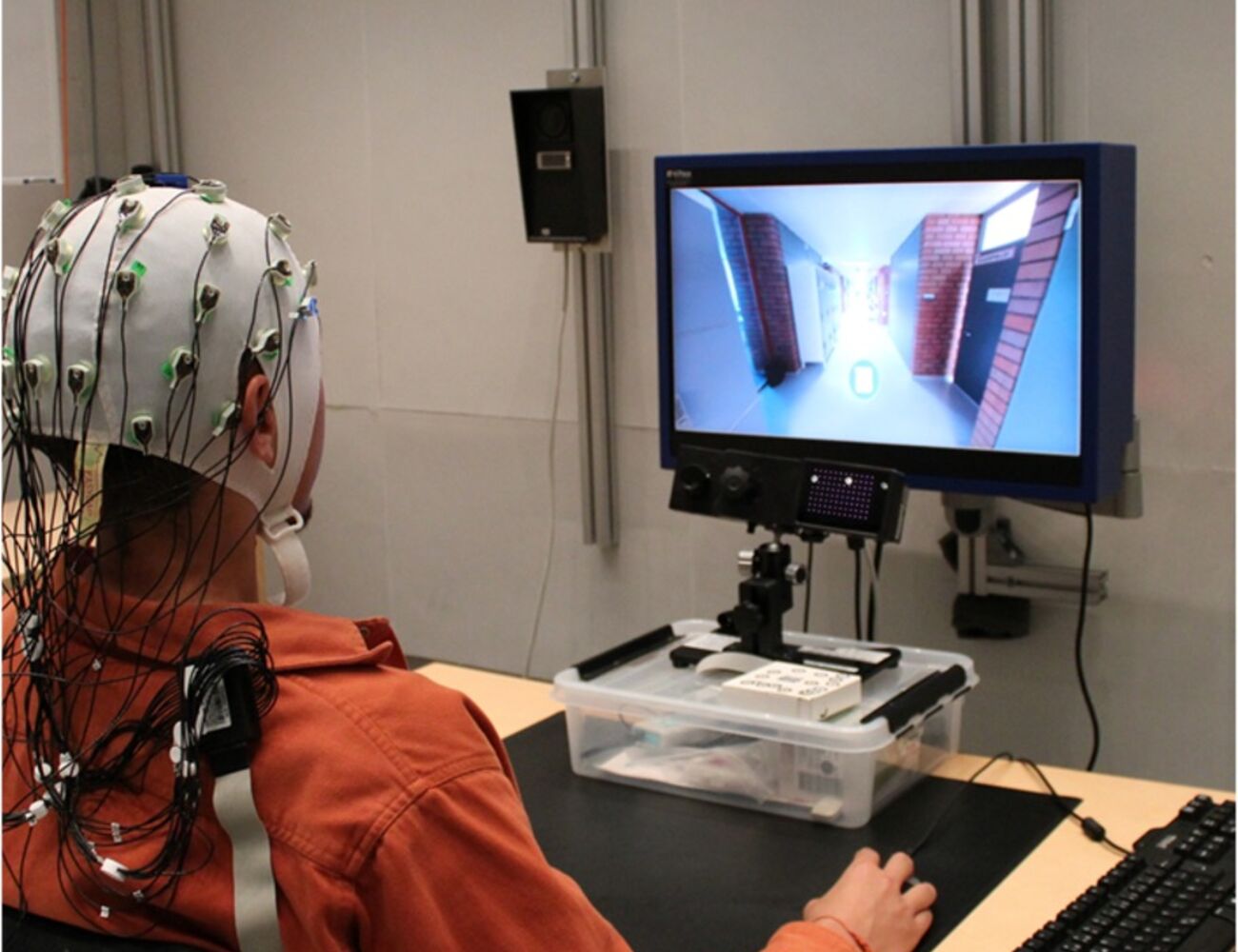
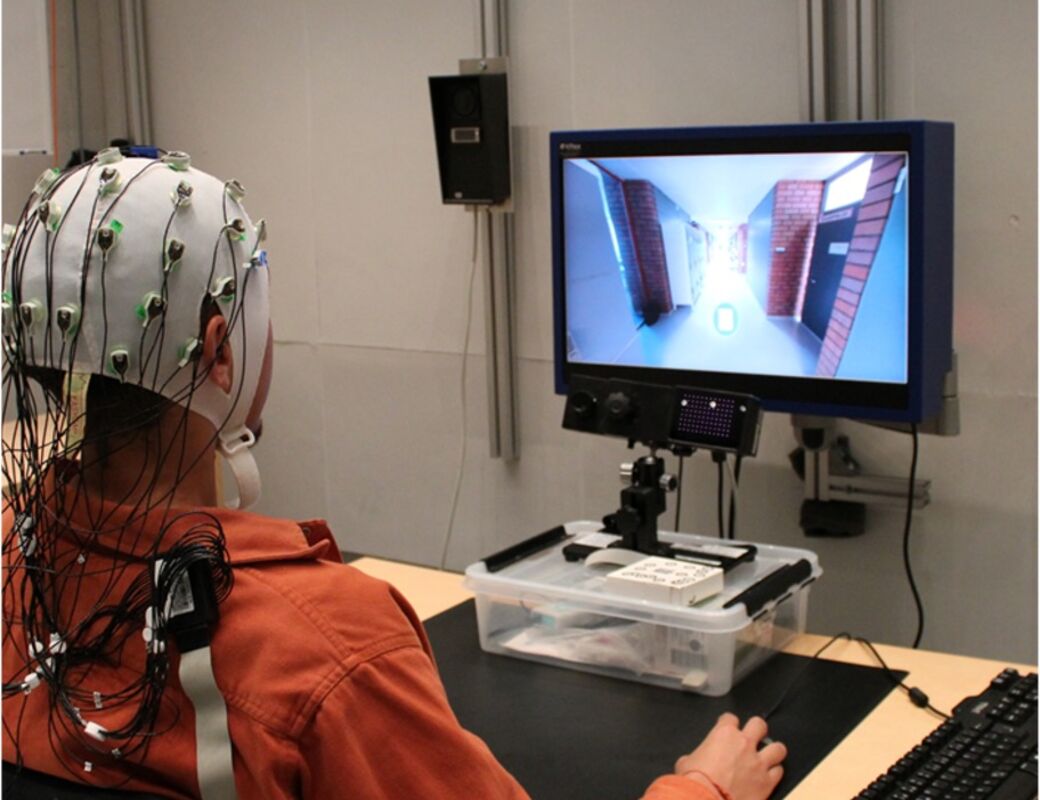
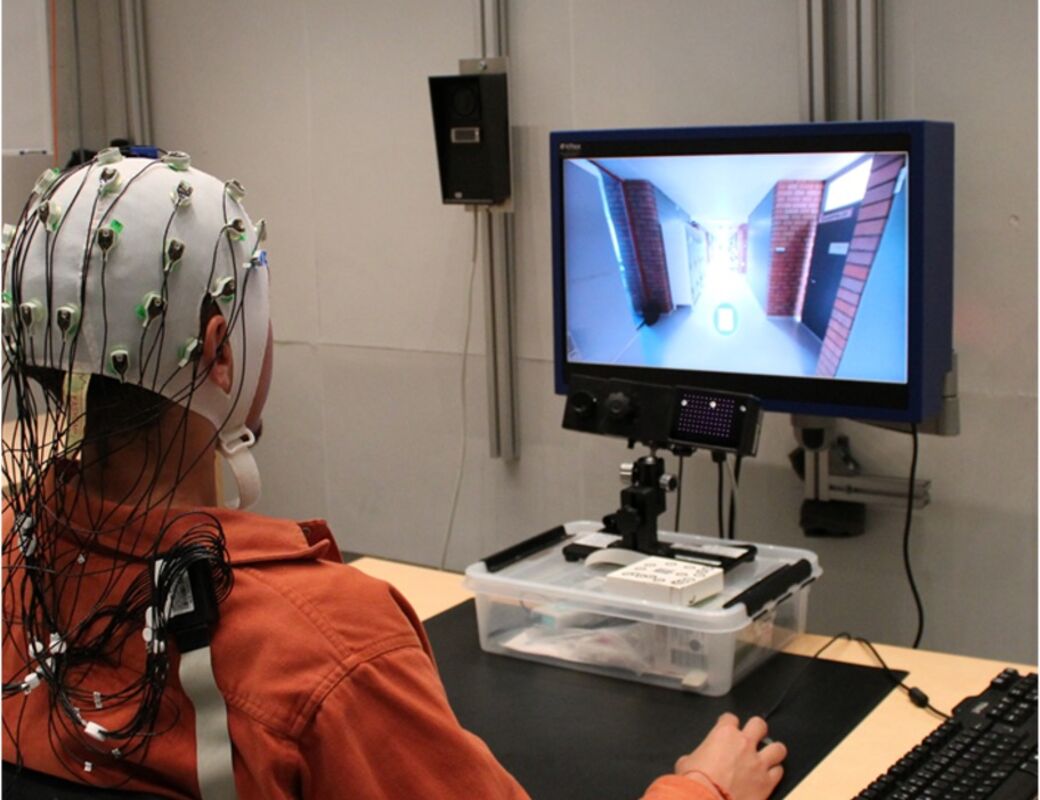
- NEURO-VR: Exploring Cognitive Dynamics: Effect of 360˚ Virtual Laboratory Environments on Learning, Cognitive load, Emotional impact and Visual attention., Aalto Networking Platform Task Force, 2024 – 2026
- Apurahatutkijoiden laboratoriotyöturvallisuuden parantaminen virtuaalilaboratorioiden avulla, Apuraha, Maatalousyrittäjien eläkelaitos Mela, 2024 – 2025
- Virtuaalilaboratoriot luonnontieteiden kielitietoiseen opetukseen yläkouluissa, Henkilökohtainen apuraha, Jenny ja Antti Wihurin rahasto, 2025 – 2026 (link here)
- Virtuaalilaboratoriot digitaalisen oppimisen ja saavutettavuuden parantamiseksi 2024 – ongoing
- Laboratory education virtualization, Online Hydrid Lab, 2019 (link here)
- AALTOLAB, Online Hydrid Lab, 2020 (link here)
- A!Ole seed funding for the development of the chemical thermodynamics course at Aalto, 2019-2020
- A!Ole project funding for the development of a quantum chemistry bachelor’s course at Aalto, 2020-2021
- Funding from University of Helsinki, Tampere University and Aalto university (20 k€) for the collaborative development of peer assistant education videos, 2021
- Virtual Materials Chemistry Laboratories for Sustainable Energy Solutions, Eramus+, 2022-2024 (link here)
Collaborators
- Cognitive Neuroscience Research Team, Department of Neuroscience and Biomedical Engineering, Aalto University
- Teacher Services, Aalto University (link here)
- UNITE! University Alliance
- Technical University of Munich
- Philipps-Universität Marburg, Department of Chemistry
- Università degli Studi di Torino, Department of Chemistry
- Merilahden peruskoulu, Helsinki
- Rantakylän yhtenäiskoulu, Mikkeli
- Otaniemen lukio, Espoo
- University of Helsinki, Centre for University Teaching and Learning (HYPE)
- University of Helsinki, Department of Education
Theses
- Lammi, R.-L. (2026). Opiskelijoiden vaihtoehtoiset käsitykset termodynamiikan ensimmäisestä ja toisesta pääsäännöstä, Bachelor's thesis, Aalto University, School of Chemical Engineering, Available http://www.urn.fi/URN:NBN:fi:aalto-202606044613
- Tuominen, E. (2025). Miten opettaa ongelmanratkaisua tekniikassa?, Bachelor's thesis, Aalto University, School of Chemical Engineering, Available http://www.urn.fi/URN:NBN:fi:aalto-202601231910
- Cardoso, L. (2025). Cognitive load analysis in a virtual laboratory online learning environment. Bachelor's thesis, Aalto University, School of Chemical Engineering, Available: https://urn.fi/URN:NBN:fi:aalto-202506245208
- Auvinen, S. (2024). Ryhmädynamiikan vaikutus oppimistuloksiin laboratoriotyöskentelyssä, Bachelor's thesis, Aalto University, School of Chemical Engineering, Available https://urn.fi/URN:NBN:fi:aalto-202406254946
- Viitaharju, P. (2024). Applications of virtual laboratories in chemical engineering education, Doctoral thesis. Aalto University, School of Chemical Engineering, Available: https://urn.fi/URN:ISBN:978-952-64-2065-3
Awards
- Aalto University's Open Science Award 2024: AALTOLAB Team (Samuel Girmay, Jarno Linnera, Minna-Hanna Nieminen, Kirsi Yliniemi, Antti Karttunen)
- Aalto CHEM Educational action of the year 2020: AALTOLAB Team (Panu Viitaharju, Samuel Girmay, Minna-Hanna Nieminen, Kirsi Yliniemi, Antti Karttunen)
Publications
Enhancing 360° virtual laboratory safety training with linear learning pathway design: Insights from student experiences
Samuel Girmay, Kirsi Yliniemi, Minna Nieminen, Jarno Linnera, Antti J. Karttunen
Student experiences from virtual reality-based chemistry laboratory exercises
Panu Viitaharju, Minna Nieminen, Jarno Linnera, Kirsi Yliniemi, Antti J. Karttunen
Free and open source software for computational chemistry education
Susi Lehtola*, Antti J. Karttunen
Learning experiences from digital laboratory safety training
Panu Viitaharju, Kirsi Yliniemi, Minna Nieminen, Antti J. Karttunen
Chemical engineering students’ perceptions of peer and self-assessment
Lauri J. Partanen*, Viivi Virtanen, Henna Asikainen, Liisa Myyry
Physical chemistry students’ learning profiles and their relation to study-related burnout and perceptions of peer and self-assessment
Lauri J. Partanen, Liisa Myyry, Henna Asikainen
A Guided Inquiry Learning Design for a Large-Scale Chemical Thermodynamics Laboratory Module
Lauri J. Partanen
Exploring Novel Digital Assessment Methods in a Bioengineering Virtual Laboratory Training
Girmay, S.; Mangayil, R.; Viskari, H.; Karttunen, A. J.
Universal Design for Learning Framework Enhances Learning Experience in Web-based Virtual Laboratories
Girmay, S.; Yliniemi, K.; Nieminen, M.; Vilhunen, A.; Karttunen, A. J
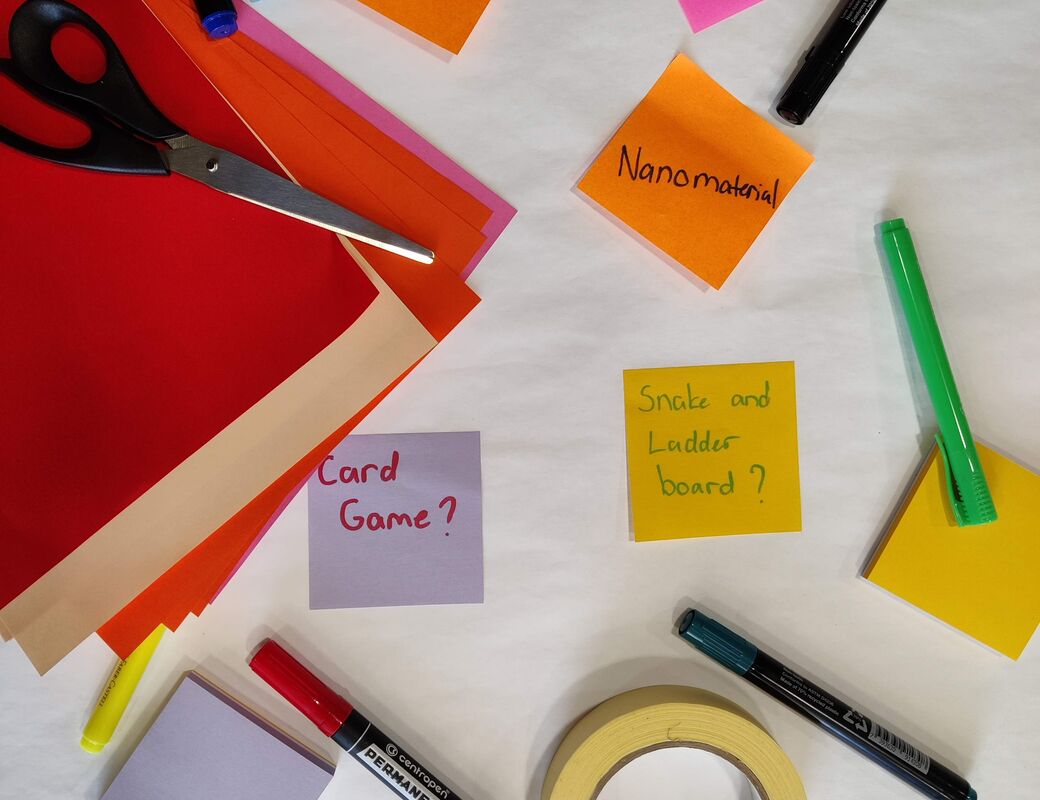
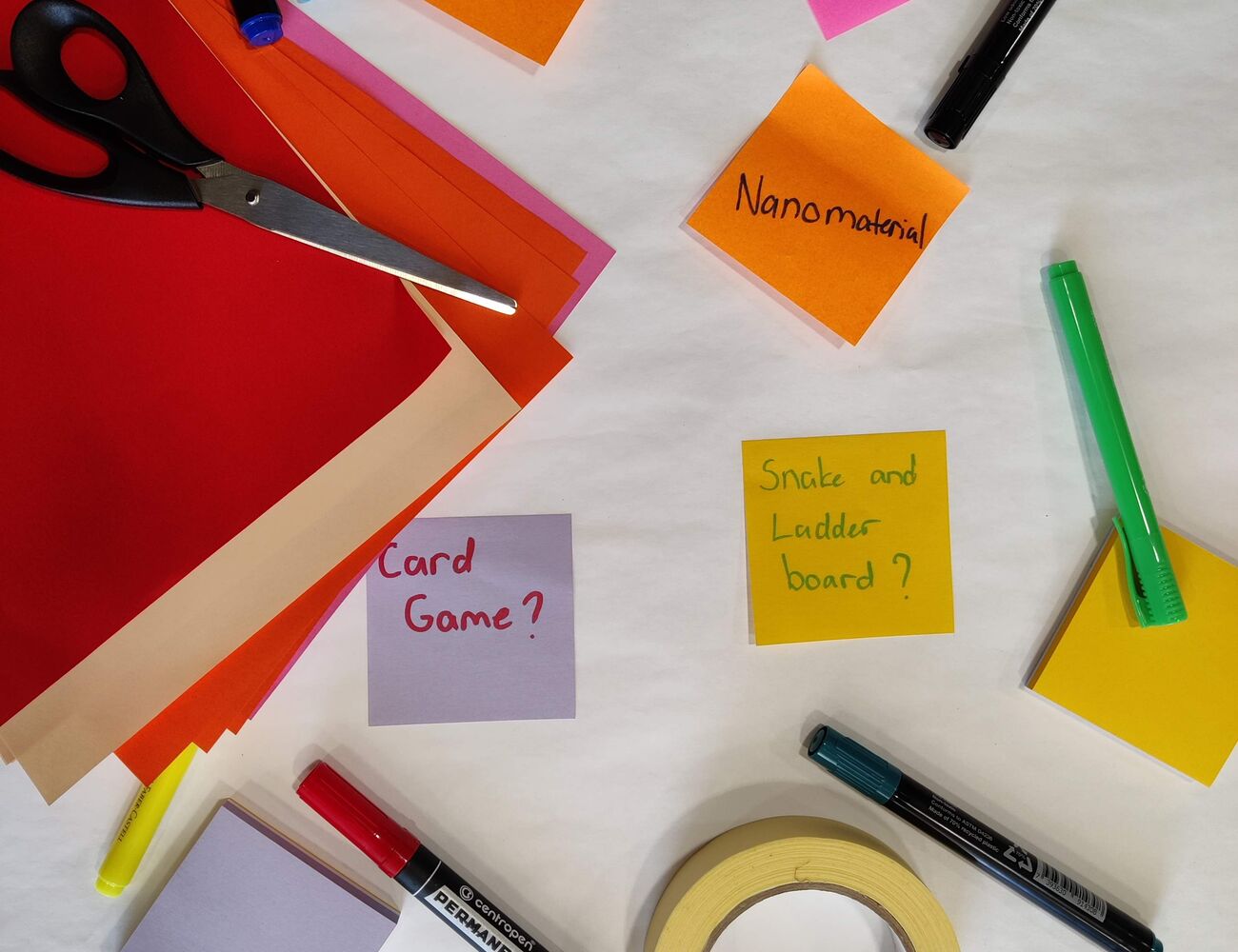
Nondigital Game Creation as a Teaching Method for Sustainability of Nanomaterials: Student View to Learning and the Role of Emotions
Girmay, S.; Schönach, P.; Wilson, B.; Karttunen, A. J.; Yliniemi, K. J.
The impact of web-based 360° virtual laboratory on cognitive load, emotional patterns and visual attention
Girmay, S.; Mendoza-Franco, G.; Cardoso, L.; Jääskeläinen, I. P.; Kauppinen, T.; Nygren, A.; Sclearuca, M.; Sjöholm, T.; Karttunen, A. J.
Expert interview study on the pedagogical aspects and practical implementation of virtual laboratories
Viitaharju, P.; Nieminen, M.; Yliniemi, K.; Karttunen, A. J.