Regenerative Binderless Panels from Baltic Reed by Hana Rehorčíková

Abstract:
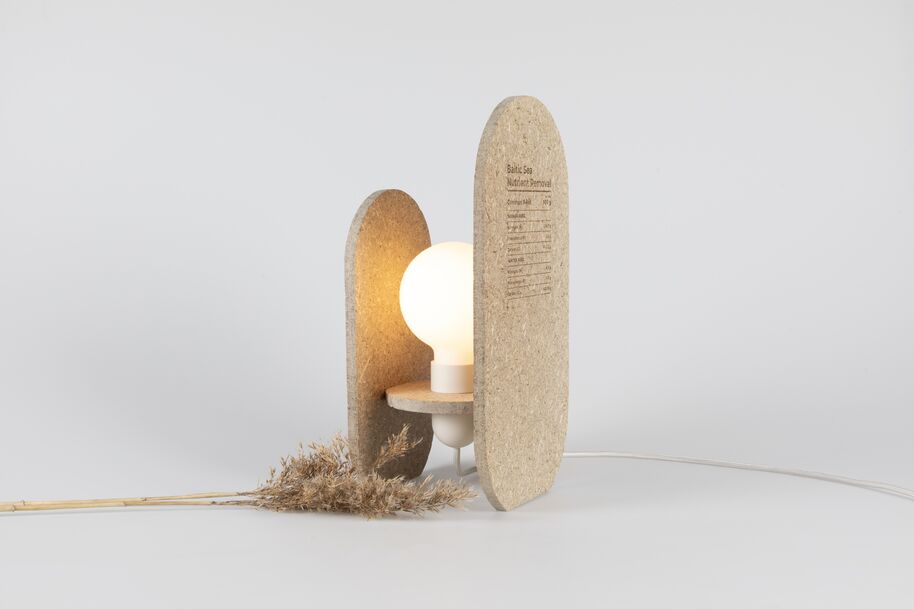
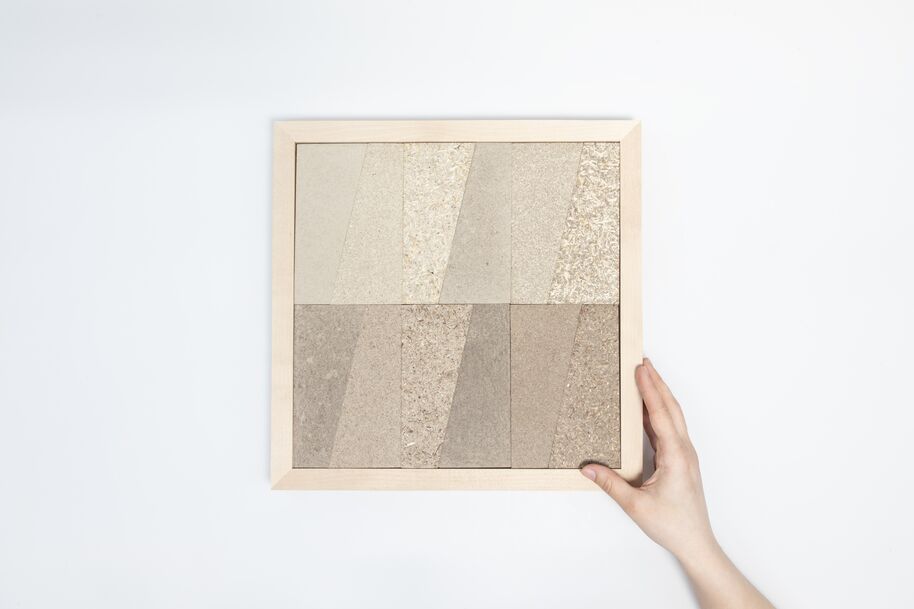
Coastal areas of the Baltic Sea are increasingly affected by eutrophication, which disrupts marine ecosystems and accelerates the overgrowth of common reed (Phragmites australis). Although this expansion threatens biodiversity, well-managed reedbeds offer valuable ecological services, including habitat provision, nutrient absorption, carbon sequestration, and water filtration. However, common reed continues to spread due to high harvesting costs and the absence of high-value applications. This study investigates how cross-disciplinary, design-led material experimentation can develop regenerative monomaterial and design applications from this abundant biomass, with the aim of supporting Baltic coastal restoration and contributing to circular material systems. Fully biodegradable panels were fabricated by hot-pressing common reed fibres without added binders, leveraging the self-binding properties of cellulose in the plant. The research examined how variables such as fibre size, plant part selection, reinforcement strategies, natural adhesive types and dosages, pre-treatments, and pressing temperatures influence material properties. Mechanical testing confirmed the feasibility of producing binderless panels from common reed. The best-performing sample, with a density of 810 kg/m³, achieved a flexural strength of 8.05 N/mm², a modulus of elasticity of 1627 N/mm², thickness swelling of 19%, and water absorption of 60%. To showcase the design potential, a material library and a lamp prototype were created, emphasizing the aesthetic, sensory, and narrative qualities of common reed-based materials. The lamp also demonstrates the material’s ability to remove excess nutrients from Baltic wetlands, extracting up to 14.7 g of nitrogen, 1.3 g of phosphorus, and 412.2 g of carbon per lamp, depending on the harvest season. This research demonstrates how design-led material innovation can contribute to ecological restoration by transforming an invasive species into a valuable resource, advancing regenerative and circular design practices in coastal contexts.