





CELL2H2
Green Hydrogen and High-Value Chemicals by Electrocatalytic Valorisation of Cellulose

We use electrochemical oxidation and hydrogenation to turn biomass-derived molecules and plastic residues into valuable chemicals.
We combine renewable-feedstock conversion with green hydrogen production in selected co-electrolysis processes.
Projects: CELL2H2 · AGRI-WASTE2H2 · HYXYL
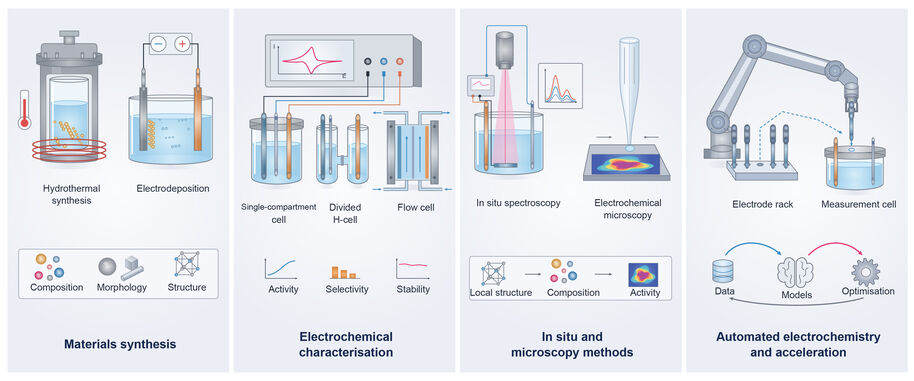
We connect nanoscale structure and reactivity with performance in batch and flow cells to guide electrocatalyst and process design.
We combine materials design, laboratory experiments and advanced characterisation to understand what makes an electrocatalyst active, selective and stable.

Green Hydrogen and High-Value Chemicals by Electrocatalytic Valorisation of Cellulose

Green Hydrogen and Platform Chemicals from Agricultural Residues

Hydrogen production via co-electrolysis of xylan

Sustainable Valorization of PET Waste to Polymers and Hydrogen

Electricity-driven co-production of xylitol from forest sugars and glycolic acid from PET waste


A new study provides a more detailed view of how catalysts function during chemical reactions. The discovery could help develop more efficient materials for applications such as green hydrogen production and a more sustainable chemical industry.

The Technology Industries of Finland Centennial Foundation awarded 3.5 million euros in research funding to eight projects, five from Aalto University.

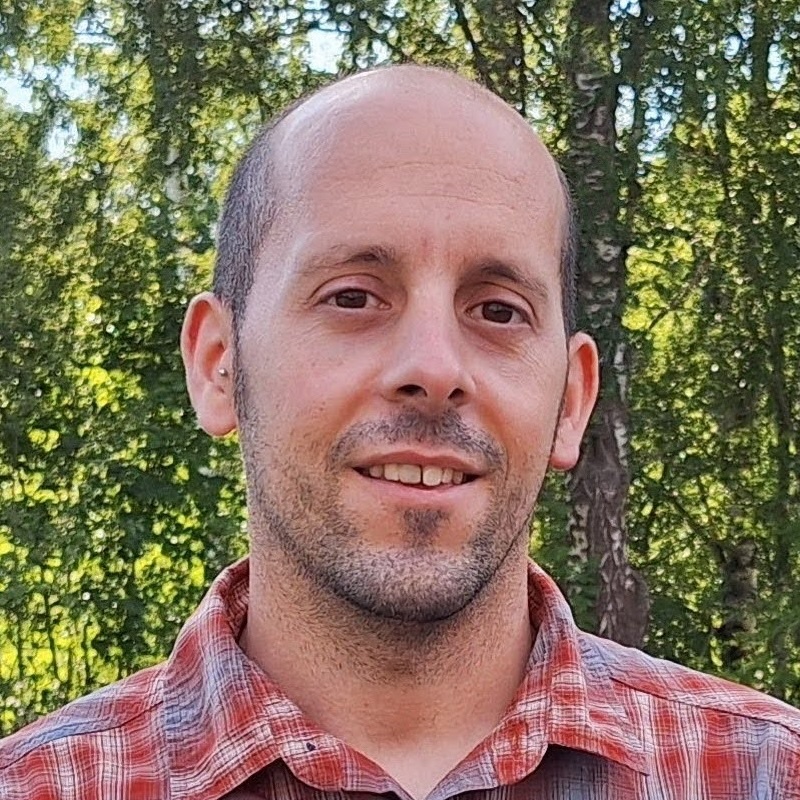
Ph. D. Daniel Martin-Yerga has been appointed five-year fixed term Assistant Professor position at the Department of Chemistry and Materials Science as of 1 January 2025.

October 2026 · Open access
Controlling selectivity in lignin hydrogenation
Rhodium and platinum steer lignin-derived molecules towards different products: rhodium favours methoxy retention, while platinum promotes cleavage.
Jiaqi Wang et al.

August 2026 · Open access
Tannin-derived nanospheres for electrocatalysis
Uniform nanospheres made from condensed tannin provide a renewable platform for finely dispersed metal catalysts. Platinum-decorated carbon nanospheres improve the electrochemical hydrogenation of guaiacol.
Weitong Wang et al.

March 2026 · Open access
Mapping how catalyst sites work together
Scanning electrochemical cell microscopy reveals how different platinum crystal grains contribute to formic acid oxidation and oxygen reduction, and how these reactions couple during thermochemical catalysis.
Electrochemical imaging of thermochemical catalysis
Xiangdong Xu et al.
We are always eager to connect with motivated and talented researchers who share our vision for advancing sustainable electrochemical materials science.
Who to contact
For enquiries about joining the group, please contact our group leader, Assistant Professor Daniel Martín-Yerga:
daniel.martinyerga@aalto.fi


Kemistintie 1


