






The first Finnish introductory work on materials science is published

At the heart of the book is the idea that there are only a handful of concepts needed to explain materials, yet they can explain the essential properties of materials. Materials science is a fundamental basis in electronics, mechanical engineering, medicine, textiles, energy, space exploration and many other applications.
The publication event is timely, as materials science is a central engine of innovation in the face of sustainable development challenges. Lightweight structures, better catalysts, new batteries and efficient recycling cannot succeed without deep materials expertise. Innovations in materials science are also of interest to the defence industry.
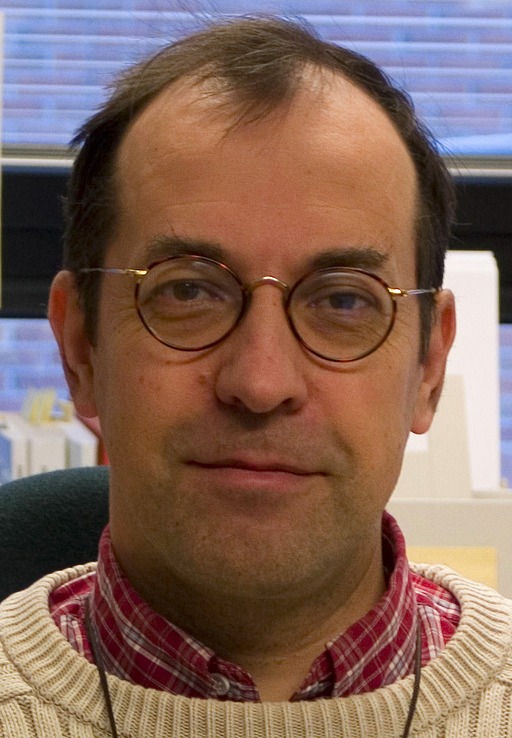
The work is primarily written as an introductory textbook for university studies, but it is also suitable for talented high school students or those interested in the basics of the field. The book is born from Professor Franssila's teaching experience: he has taught the basic course in materials science for seven years and has been in need of a suitable text for teaching.
According to Professor Franssila, materials science will grow into a significant area in Finland and globally, particularly with the development of nanotechnology, coatings and electronic systems. Materials science is behind both traditional and high technology.
Aine answers questions such as:
- How are artificial diamonds made?
- What connects the sinking of the Titanic and the explosion of the Challenger space shuttle?
- Why are red glass items more expensive than those of other colours?
- How to compare the properties of steel and silk?
- How does ceramic shrink during drying and firing?
- What kind of magnet is needed for a hotel room key card?
- What do jute and carbon fibre have in common?
- How are quantum dots manufactured?
- Why are samarium, dysprosium and neodymium critical materials?
Read more news

Learning Environments Research Group — 2025 in Review
2025 recap: three doctoral theses on context-aware interaction design, AI as creative learning partner, and telerobotic puppetry for peacebuilding.
Juha Gogulski develops personalized brain stimulation therapy for depression
Aalto University postdoctoral researcher and Instrufoundation Fellow grant recipient Juha Gogulski is developing individualized brain stimulation treatments for patients with depression.
Babak defends PhD thesis on electrically heating bio-based textiles
Babak Abdi publicly defended his doctoral thesis.