






Designs for a Cooler Planet
Discover tomorrow at Aalto University's biggest exhibition! Open 1 September – 30 October 2026.

“What is the use of a house if you haven’t got a tolerable planet to put it on?” * American philosopher Henry Thoreau’s question is more relevant today than ever before. The environmental impacts of construction threaten the Paris Agreement on climate change and our efforts to stop the sixth mass extinction.
Half of the world’s annual consumption of raw materials and about 40 percent of energy consumption go towards the built environment. The construction industry also generates over one-third of all greenhouse gas emissions, and 90 percent of biodiversity loss results from raw material extraction. As our planet’s population continues to grow and more people can afford to live more comfortably, construction will consume more energy and materials. By the 2050s, the increased production of cement, steel, aluminium and plastics alone is expected to produce nearly double the emissions budget we have left if we’re to keep global warming to 1.5 degrees Celsius.
Our planet cannot sustain current construction practices – a change in direction is urgently needed. Fortunately, the laws of nature do not prevent limiting emissions. Accomplishing that is largely a question of how we practise and profit from construction.
Laws and agreements are needed to correct the situation, but their effect is too slow to successfully limit emissions. We also need a change in values. That would guide our actions more quickly than regulations, which take years to come into effect.
In developed countries with stable population growth, non-essential new construction should be postponed until we find sustainable construction solutions. In the meantime, we should focus on reusing existing buildings and renovating old ones.
Developing countries and areas recovering from wars or natural disasters should have the right to build their way out of poverty and misery. But even in these cases, construction has to fit within our shrinking global emissions budget.
These principles may be difficult to accept. Why shouldn’t we enjoy a high standard of living and build new shopping centres? What would happen to employment, industry, and tax revenues if we started genuinely downshifting construction? And surely Finland doesn’t have to come up with solutions to the global problems of construction, right?
These questions are challenging. There are no easy answers, but answers must be found – and quickly. In the meantime, let’s pause construction wherever possible.
*From Thoreau’s Familiar Letters.
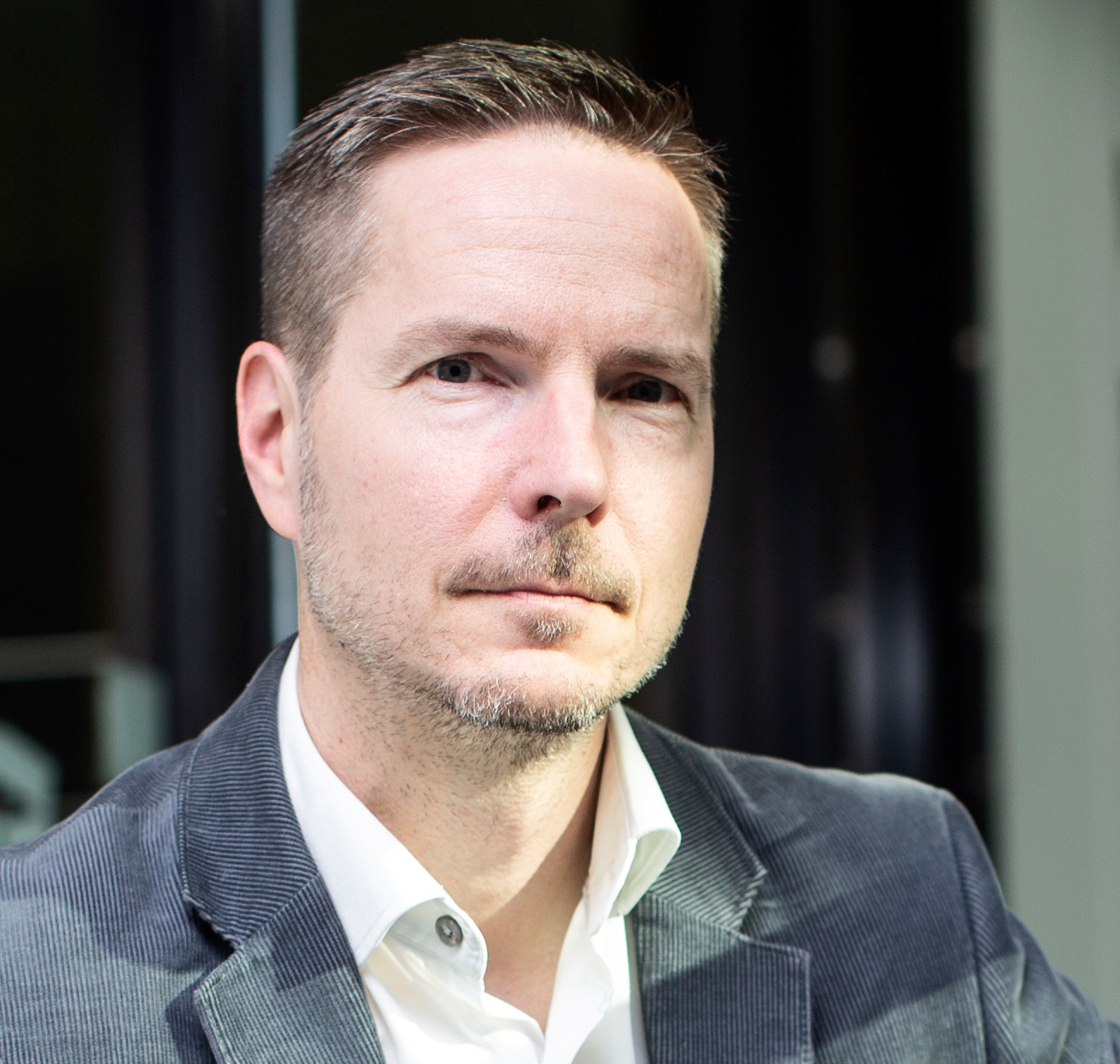
The author is an architect and Professor of Sustainable Construction at Aalto University. He previously worked at the Finnish Ministry of Environment, where he was responsible for the climate aspects of the construction law reform and developed a method for assessing the carbon footprint of buildings in Finland. Kuittinen is active in climate work in the construction sector in Europe and the Nordic countries.
This article has been published in the Aalto University Magazine issue 33, September 2023.

Discover tomorrow at Aalto University's biggest exhibition! Open 1 September – 30 October 2026.

Welcome and participate in Designs for a Cooler Planet 2023 through a variety of different events, from live talk shows to webinars, workshops and guided exhibition tours.


