Parametric (2022-2025)

At the Metrology Research Institute, we're part of the European Partnership of Metrology (EPM) project PaRaMetriC. This project reshapes the measurement landscape of passive radiative cooling (PRC) technologies, making strides toward a more energy-efficient and sustainable future.
Project Overview
Coordinated by the Istituto Nazionale di Ricerca Metrologica (Italy) and led by Lorenzo Patelli, Project PaRaMetriC (21GRD03) set its course in October 2022 and is anticipated to conclude in September 2025.
Our Role
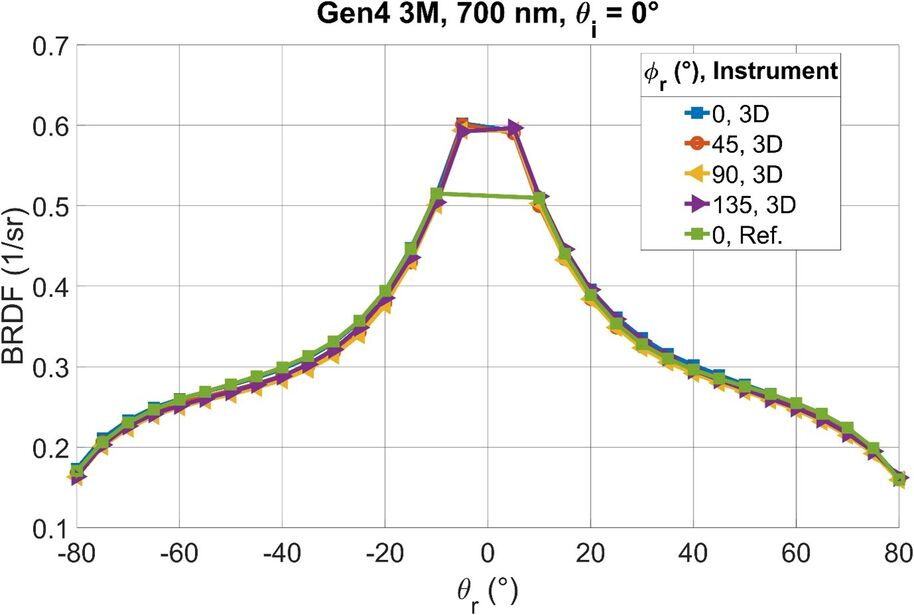
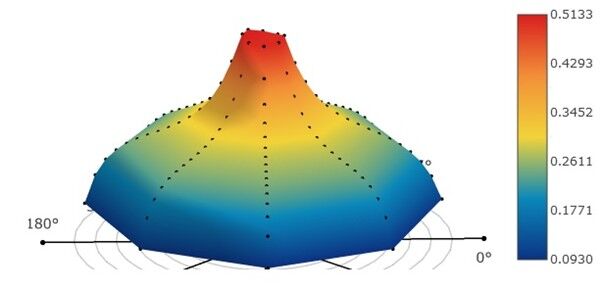
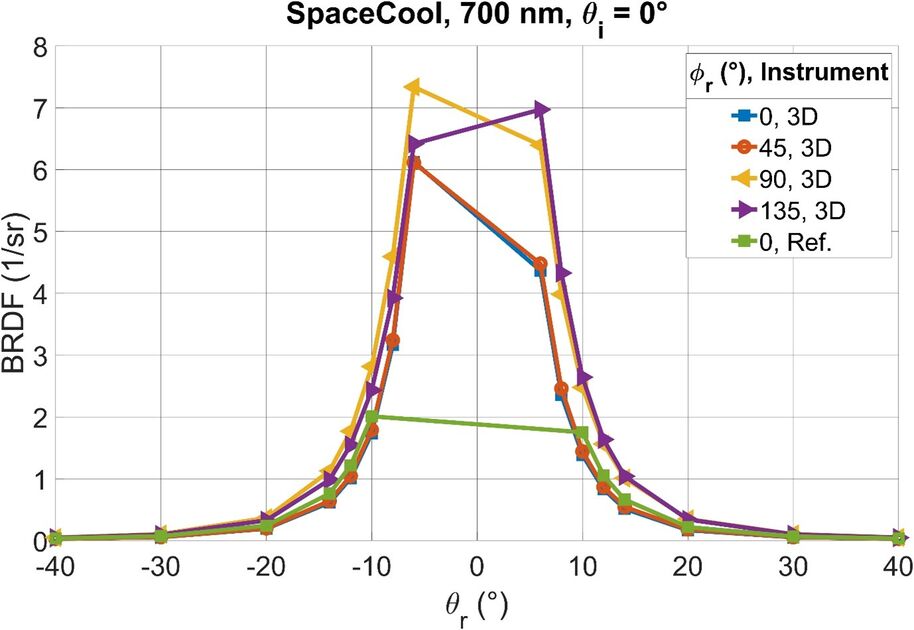
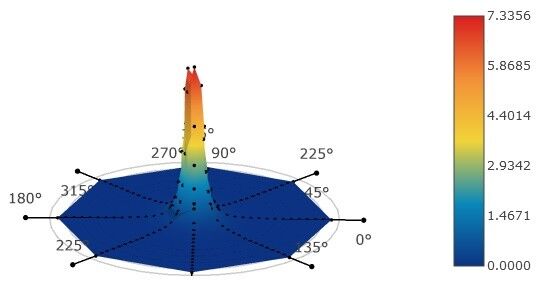
The Metrology Research Institute undertakes simulations and BRDF (bidirectional reflectance distribution function) measurements of reference samples within the visual and infrared range.
The Power of Passive Radiative Cooling
Approximately 10% of global greenhouse gas emissions are attributed to cooling buildings and environments. Passive Radiative Cooling (PRC) materials are capable of cooling to sub-ambient temperatures, even in direct sunlight. The potential benefits are remarkable, with the potential to slash cooling-related electricity consumption by up to 80%. These innovative materials radiate infrared at wavelengths that seamlessly pass through the atmosphere into space, bypassing the warming effect due to direct sunlight.
Unveiling the Challenge
The groundwork laid by the previous EMPIR project, EMIRIM, in enhancing hemispherical emissivity measurement techniques for reflective insulation products, led to a reference setup that the industry could use to evaluate product performance. However, the intricate structures of PRC materials render current industry standards inadequate. Furthermore, the absence of standardized testing methods for PRC properties and real-world performance assessment hampers progress.
For more information, please visit the project web page.
BRDF measurements within the visual range
Aalto University, recognized as Finland's designated institute for primary spectrophotometry and radiometry, plays a pivotal role in the current project. With extensive experience, Aalto utilizes its primary gonioreflectometer to maintain the national BRDF scale, equipped with advanced facilities to compare material absorptance and emittance against standards.
In this project, Aalto employs modelling tools to define geometry, material, and coating specifications for test samples in WP2, while leveraging its equipment to measure the BRDF of test samples in WP3.
Specifically, in WP3, Aalto will use its reference 3D gonioreflectometer with a horizontal sample holder to measure the BRDF of three candidate materials for radiative cooling. The materials include samples provided from 3M, SpaceCool and Cooling Photonics. Participants will conduct reflectance measurements for each sample, detailing uncertainty budgets and calculating absorptance. This task aims to characterize and compare measurement techniques for reflectance and emittance of selected PRC materials within the 250 nm to 2500 nm spectral range, covering the solar spectrum.
Additionally, Aalto employs its Agilent Cary 7000, equipped with a diffuse reflectance accessory, to measure spectral hemispherical reflectance within the same wavelength range.