Kemian ja materiaalitieteen laitos

NextGenBat

Seuraavan sukupolven akkumateriaalit ja -konseptit on Business Finlandin rahoittama kehitysprojekti, jossa kehitetään kiinteän olomuodon litiumakkujen materiaaleja sekä niiden valmistustekniikkaa. Projektissa yhdistyy monen suomalaisen tutkimusorganisaation ja yrityksen asiantuntemus.
Lithium ion battery electrodes and cells, researcher Taina Rauhala, photo Valeria Azovskaya, 2017
Litiumakkuelektrodeja ja -kennoja. Kuva: Valeria Azovskaya.

Projektikuvaus

Seuraavan sukupolven akkumateriaalit ja -konseptit -projektissa kehitetään kiinteän olomuodon litiumakkujen materiaaleja sekä niiden valmistustekniikkaa. Materiaalikehityksen kohteena ovat litium-metallianodit, keraamiset ja polymeeriset litiumjohde-elektrolyytit, nikkeli-koboltti-mangaanioksidi- (NMC) katodit sekä komponenttien väliset rajapinnat ja niissä tapahtuvat ilmiöt.

Perinteisten valmistusmenetelmien, kuten nestedispersiopinnoitus- ja painotekniikoiden, lisäksi projektissa tutkitaan laser- (PLD) ja atomikerros- (ALD) ohutkalvotekniikoita. Näissä tekniikoissa suomalaisyritykset ovat kansainvälisen kehityksen kärjessä.  Selluloosakalvoja käytetään akkukomponenttien tukirakenteena. Projektissa yhdistetään Pulsedeon Oy ja Beneq Oy:n ohutkalvopinnoiteosaaminen Tervakoski Oy:n selluloosa- ja tutkimuslaitosten akkuosaamiseen.

Aalto-yliopiston, Tampereen yliopiston ja VTT:n tutkimus tukee yrityksiä materiaalien ja komponenttien valmistuksessa ja niiden ominaisuuksien mittauksissa. Tavoitteena on valmistaa NMC-kemiaan perustuvia toiminnallisia ns. pussikennoja. Kansainvälistä yhteistyötä tehdään saksalaisten, ranskalaisten, italialaisten ja amerikkalaisten yritysten ja tutkimuslaitosten kanssa.

Business Finland rahoittaa tutkimusorganisaatioita yhteensä 1.2 miljoonalla eurolla vuosina 2021–2024. Projekti on osa Business Finlandin Smart Mobility and Batteries from Finland -ohjelmaa.

Katso projektin ja jäsenten tarkempi kuvaus englanninkielisiltä sivuiltamme.

Jäsenorganisaatiot

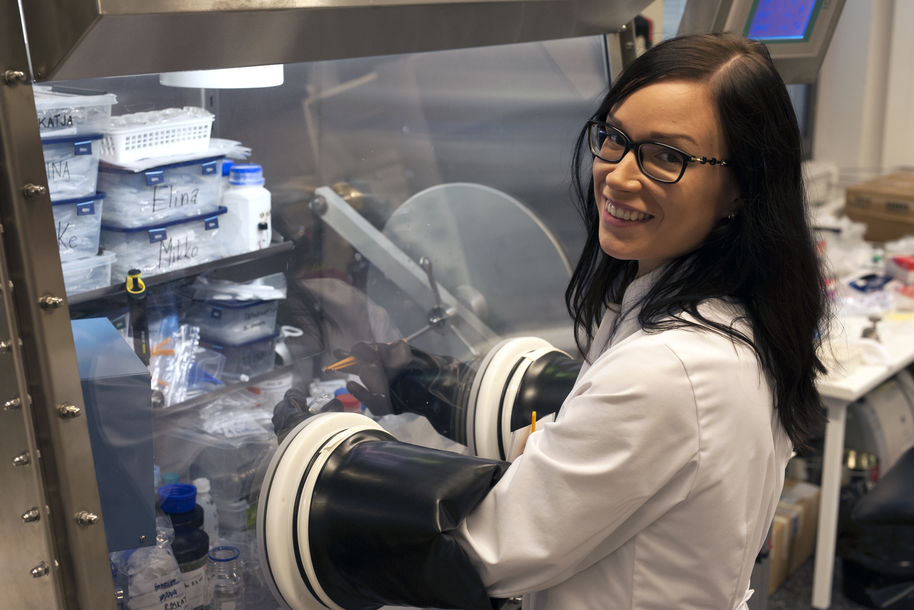
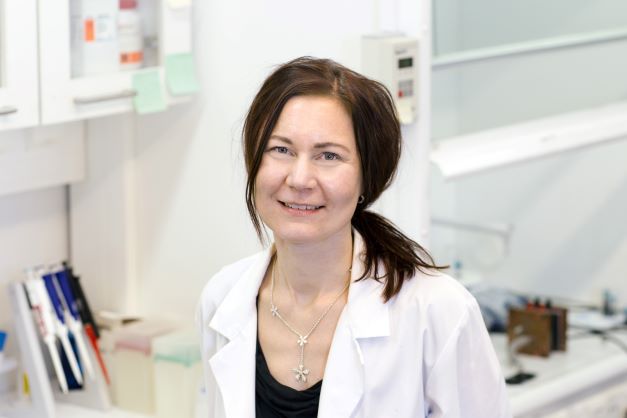
A woman in a lab coat looking into the camera. Her hands are in an Argon glove box where she is holding a battery cell with tweezers.
Kuvassa kootaan litium-ionitestikennoa argon-hanskakaapissa Aalto-yliopistossa.

Aalto University

Aalto University acts as the coordinator of the project.

In the project, the key research topics at Aalto are:

  • Development of high-nickel cathode materials that are compatible with the solid electrolytes provided by the project partners.
  • Engineering of the interphases between the battery components, especially by the use of atomic and molecular layer deposition (ALD/MLD) deposition techniques.
  • Electrochemical and structural characterization of the materials and understanding the structure-performance relationships.

About Aalto University

At Aalto University, we create the conditions needed for innovation, economic growth, employment and wellbeing. Our research focuses on seven key areas combining four core competences in the fields of ICT, materials, arts, design and business together with three grand challenges related to energy, living environment, and health.

The Department of Chemistry and Materials Science focuses on micro-, nano- and atomic scale engineering of compounds and materials. Our work in these areas encompasses synthesis, characterization and computational research. The research in the department focuses on advanced and functional materials, chemical synthesis, energy storage and conversion, as well as, molecular and materials modelling. Our teaching provides students a solid background for these topics.

Electrochemical Energy Conversion Research Group, led by prof. Tanja Kallio, investigates and develops materials and devices for electrochemical energy conversion and storage. The group's main research areas are:

  • Electrochemical energy conversion materials and devices; in particular electrocatalysts and electrode materials for such applications as polymer electrolyte fuel cells and electrolyzers, lithium ion batteries and supercapacitors
  • Reduction of the utilization of non-earth-abundant-elements without sacrificing the electrochemical device performance
  • Understand structure – activity – durability interrelations of the active energy conversion materials. Hence, our work covers material synthesis, material structural and electrochemical characterization and integration in laboratory-scale devices.

Sähkökemiallinen energian muuntaminen ja varastointi

Professori Tanja Kallion johtama tutkimusryhmä

Tutkimusryhmän sivuille
Litium ion batteries

Aalto-yliopisto sosiaalisessa mediassa

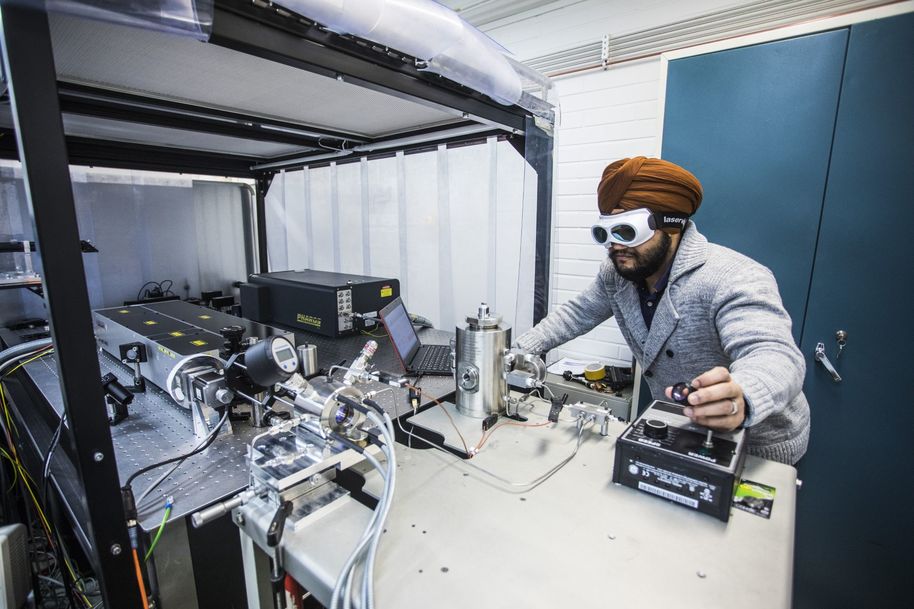
A man wearing protective glasses working on laser ablation in a pressurized chamber.
Laserablaatiota painekammiossa. Kuva: Jonne Renvall / Tampereen yliopisto.

Tampere University

In the NextGenBat project, Tampere University (TAU) will implement its know-how on ceramic materials processing and pulsed laser deposition (PLD) coating technology to sensitive battery materials.

The TAU Ceramic materials research group investigates materials related to the PLD process, e.g., raw material development, target processing and post treatments of coatings. The target materials and structures of PLD are in a focal role for developing reliable and effective components for lithium-ion batteries.

About Tampere University

Multidisciplinary, foundation-based Tampere University is Finland’s second-largest university. TAU conducts scientific research in technology, health and society and provides the highest education within these fields. Tampere University Foundation that operates as Tampere University is also the majority shareholder of Tampere University of Applied Sciences. This new higher education community in Tampere consists of 30,000 students, 330 professors, and 4,400 employees.

Materials Science and Environmental Engineering (MSEE) is one of the units under Faculty of Engineering and Natural Sciences. MSEE has three research fields: Engineering Materials Science (EMS), Chemistry and Advanced Materials, and Bio and Circular Economy. The Engineering Materials Science research activities cover all material groups, i.e., metals, ceramics, polymers, and composites and technologies like surface engineering, paper and packaging, and tribology.

The Ceramic Materials research group, headed by prof. Erkki Levänen, focuses on research of green processing and properties of functional and engineering ceramics. The group has expertise on and access to equipment for whole manufacturing steps for ceramic materials, from powder synthesis and processing to shape forming and sintering. Current interlinked research highlights are; green scCO2 assisted laser processing of ceramics, inorganic circular economy, ceramics via PLD; plastic deformation of thin film alumina and 3D manufacturing of functional ceramic materials and structures.

Tampereen yliopisto

Tampereen yliopisto on yksi Suomen monialaisimmista yliopistoista.

Verkkosivuille
Tampere university logo

Tampereen yliopisto sosiaalisessa mediassa

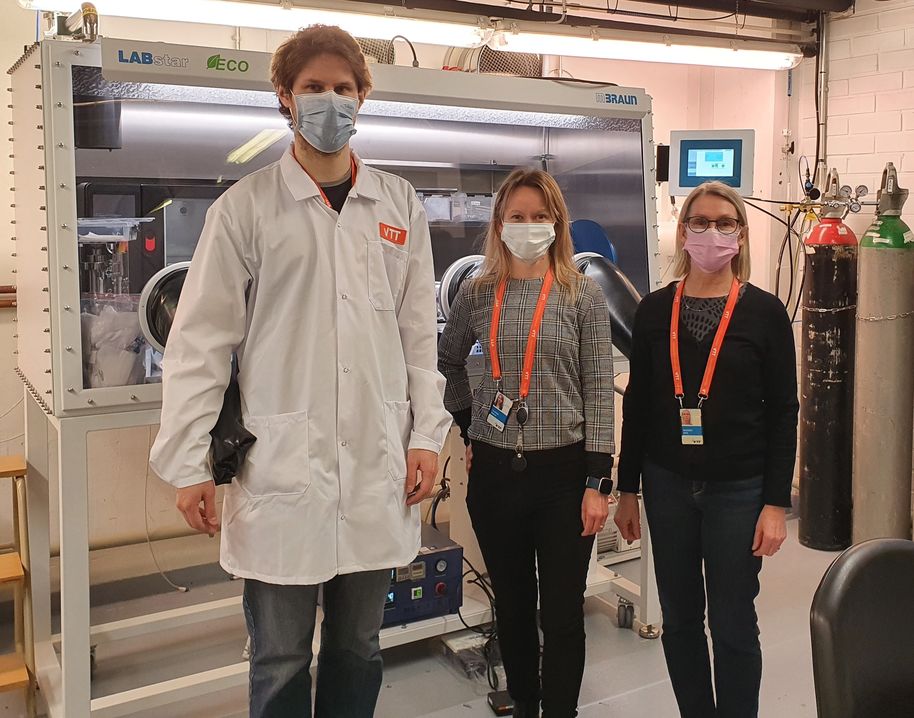
A man wearing a lab coat and two women, all wearing face masks, in front of an argon glove box.
VTT:n Marja Vilkman (keskellä) ja NextGenBat-tutkimustiimin jäsenet Olli Sorsa ja Asta Pesonen argonhanskakaapin edessä. Hanskakaapissa kootaan projektiin liittyviä akkuja.

VTT Technical Research Centre of Finland

VTT will focus on solid polymer electrolytes and their processing. We will test different pre-commercial polymers as the electrolyte and study the coating and printing methods for them. The polymer will be either infiltrated into a ready cathode layer, or mixed with the cathode materials before coating. The interfaces of the cathode and anode with the electrolyte will be optimized with help from the consortium partners.

About VTT

VTT is one of Europe’s leading research institutions. We are owned by the Finnish state. Our task is to advance the utilisation and commercialisation of research and technology in commerce and society. Through scientific and technological means, we turn large global challenges into sustainable growth for businesses and society. We bring together people, business, science and technology to solve the biggest challenges of our time. This is how we create sustainable growth, jobs and wellbeing and bring exponential hope.

VTT

Teknologian tutkimuskeskus VTT on valtion omistama tutkimus- ja teknologiayhtiö.

Verkkosivuille
VTT logo

VTT sosiaalisessa mediassa

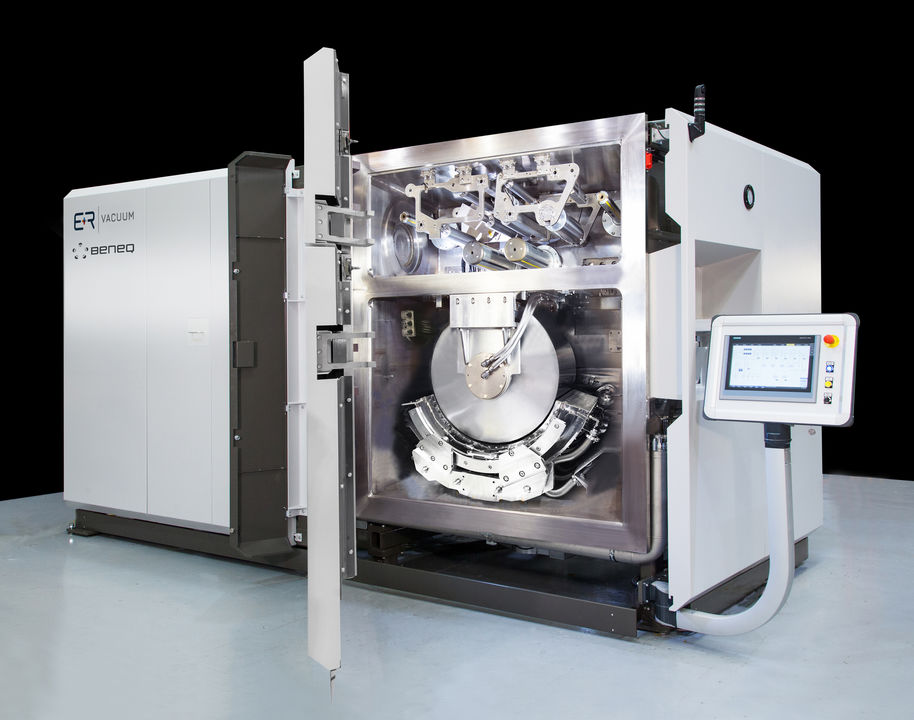
Beneq R2R GENESIS ALD System.
Beneq R2R GENESIS ALD -järjestelmä

Beneq Oy

Beneq atomic layer deposition (ALD) coatings enable manufacturing of improved solid state battery designs. In this project, we develop ALD coating solutions for various applications, including:

·       Protective coatings on cathode materials

·       Li-metal anode passivation and dendrite growth prevention

·       Artificial solid electrolyte interphase (SEI) on anode materials

·       Solid state electrolyte (SSE) by ALD

Samples will be done using traditional batch ALD and spatial ALD systems to study the feasibility of scaling to roll-to-roll (R2R) ALD for mass production.

About Beneq Oy

Beneq Oyis a leading supplier of Atomic Layer Deposition (ALD) equipment for research and various applications within semiconductor, display, electronics, silver, and optical coatings industries. Beneq is also the only manufacturer of electroluminescent displays, which are fully enabled by ALD technology. Beneq offers wide variety of ALD equipment ranging from small research scale systems to industrial scale batch systems, fully automated wafer systems and Roll-to-Roll systems. Beneq has developed Roll-to-Roll ALD technology and equipment for more than 10 years and has a strong patent portfolio around the technology. Beneq sees R2R ALD technology as a key enabler in future lithium batteries. Beneq employs 170 people and has revenue of approximately 30 million euros.

Beneq Oy

Beneq valmistaa atomikerroskasvatuslaitteita ja tarjoaa alaan liittyviä T&K-palveluita. (Sivu englanniksi)

Verkkosivuille
Beneq logo

Beneq sosiaalisessa mediassa

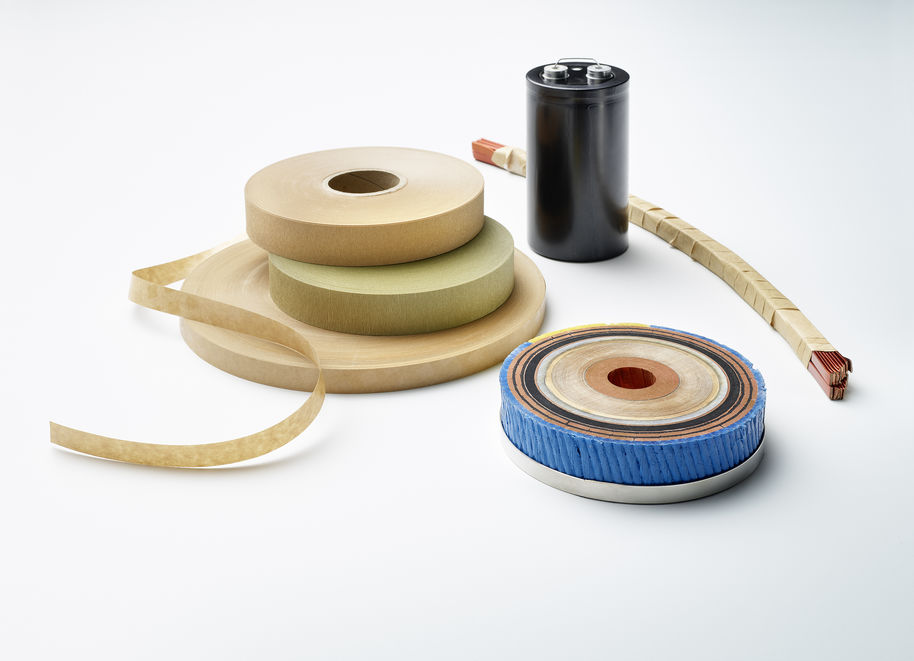
A variety of rolls of electrical paper used in batteries.
Lajitelma akuissa käytettäviä sähköeristepapereita. Valokuva: Tervakoski Oy.

Delfort (Tervakoski Oy)

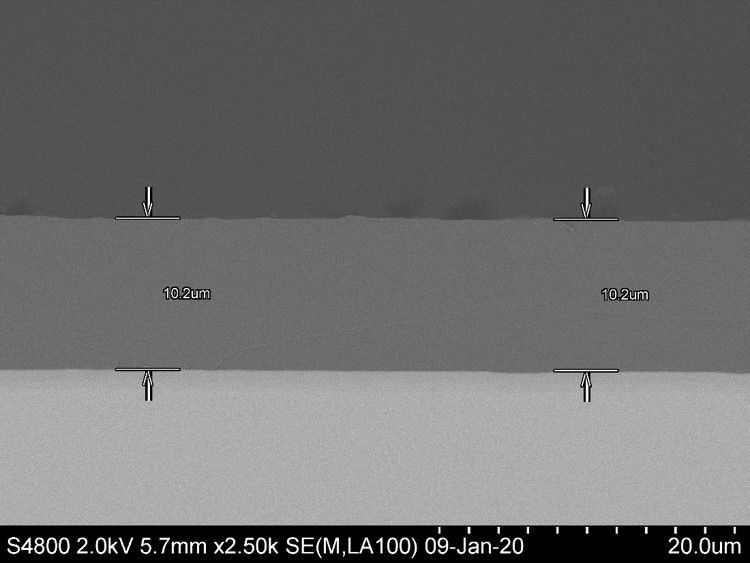
In the NextGenBat project, Tervakoski Oy develops fiber-based ecological battery separator papers which can be utilized in battery cell structures containing solid electrolytes.

About Tervakoski Oy

At Tervakoski, we produce and sell innovative and customized speciality papers to over 60 countries worldwide. Our product range consists of high-quality coated and uncoated thinprint papers, ecological packaging papers, baking papers, tipping base papers, electrical insulation papers and design and handmade papers. We are ISO certified and also produce Nordic Ecolabel products. Tervakoski Oy is part of delfortgroup AG, an Austrian paper group.

delfortgroup | Tervakoski Oy

Tervakoski Oy tuottaa ja myy innovatiivisia ja asiakkaille räätälöityjä erikoispapereita yli 60 maahan maailmanlaajuisesti.

Verkkosivuille
delfort logo

delfortgroup sosiaalisessa mediassa

A thin lithium metal anode prepared by pulsed laser deposition.
Ohut pulssilaserpinnoitettu litiumanodi. Kuva: Pulsedeon.

Pulsedeon

In the project, Pulsedeon develops multilayer solutions containing an anode (Li or Si), inorganic solid state electrolyte, and various barrier layers.

About Pulsedeon

Pulsedeon develops next-generation Li-ion battery solutions based on advanced processing methods like pulsed laser deposition (PLD). The key applications of the method are related to ultra thin lithium, inorganic solid state electrolyte and barrier layer for semisolid state, all-solid-state, and hybrid battery solutions. Pulsedeon has two main technology sites in Finland, in Ii and Tampere. Pulsedeon's technology is protected by an international patent portfolio. Pulsedeon collaborates with several global industrial and research partners, including several government-funded projects in Finland and in the EU.

Pulsedeon Oy

Pulsedeon kehittää seuraavan sukupolven litiumakkuratkaisuja, jotka pohjautuvat pulssilaserpinnoitukseen ja lähiteknologioihin.

Verkkosivuille
Pulsedeon logo

Uutiset ja julkaisut

Lithium ion battery electrodes and cells, researcher Taina Rauhala, photo Valeria Azovskaya, 2017

Turvallisempia ja tehokkaampia litiumakkuja – Aalto on mukana uusissa yritysyhteistyöhankkeissa

Kansainvälisissä tutkimushankkeissa kehitetään uusia ympäristöystävällisempiä litiumakkujen materiaaleja ja valmistusmenetelmiä yhteistyössä yritysten kanssa.

Uutiset
Tanja Kallio / Kuva: Anni Hanen-Kajander

HS Visiossa artikkeli akkujen kierrätyksestä

Professorimme Tanja Kallio haastateltavana asiantuntijana HS Vision jutussa

Uutiset

Ota meihin yhteyttä

Tanja Kallio

Tanja Kallio

Associate Professor
T105 Chemistry and Materials

Erkki Levänen

Professori, Tampereen yliopisto

Marja Vilkman

Vanhempi tutkija, VTT

Sami Sneck

Business executive, Beneq Oy

Juuso Rantanen

Innovation manager, Tervakoski Oy

Jari Liimatainen

CEO, Pulsedeon Oy
  • Päivitetty:
  • Julkaistu:
Jaa
URL kopioitu